You Are Not Just Eating Food, You Are Making a Decision About Your Future
Calories have never been more abundant in Nigeria. Neither have obesity, diabetes and fatty liver disease. The connection between your plate and your health is more direct than most people want to admit.
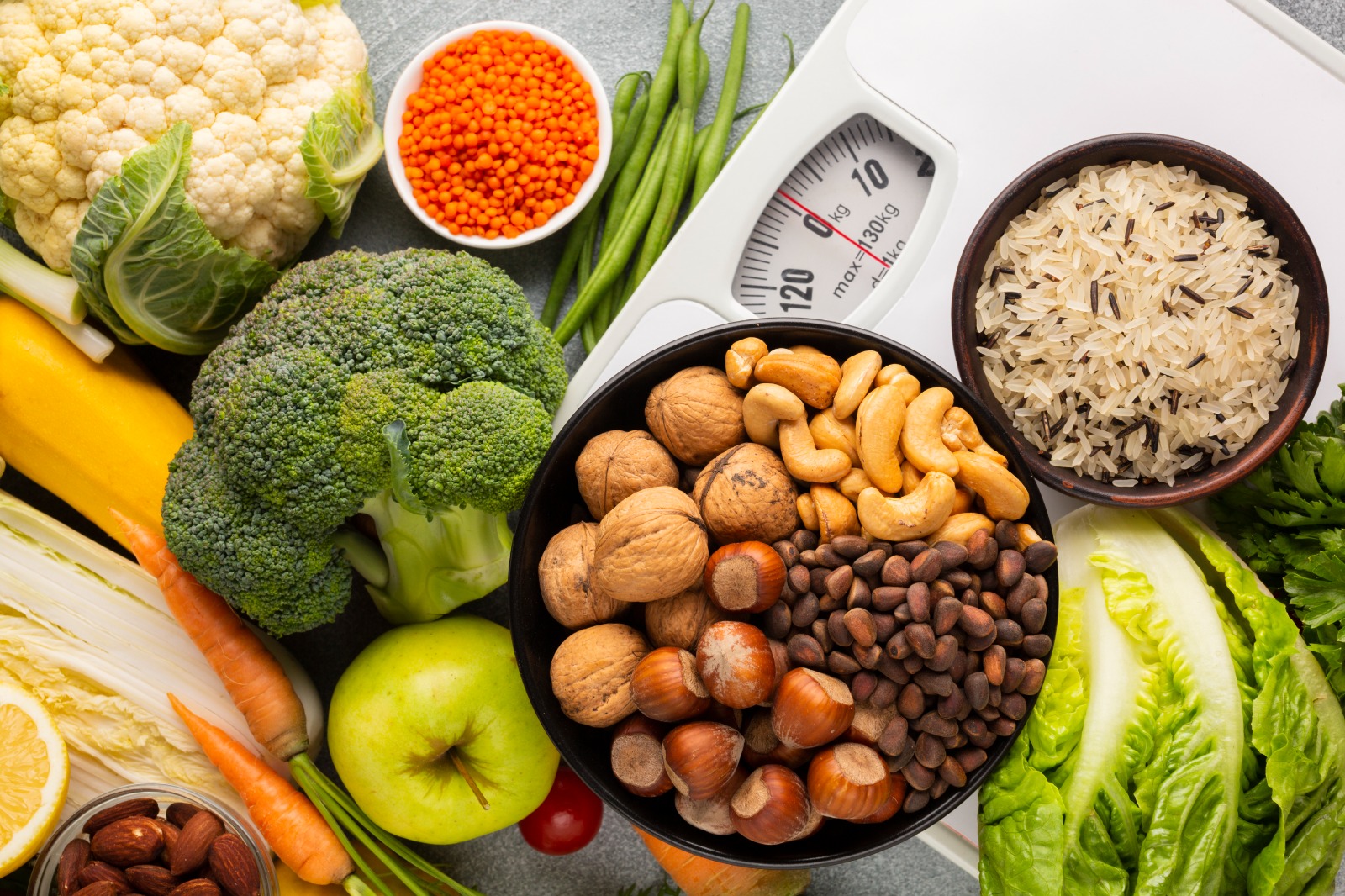
Something has quietly shifted in the way Nigerians eat and the consequences are showing up in hospital wards, diagnostic scans and conversations between doctors that are happening more frequently than they did a decade ago.
Twelve million Nigerians were estimated to be living with obesity in 2020, a figure that has continued to climb as urbanization accelerates, processed food becomes more accessible and the gap between what people know about nutrition and what they actually eat on a daily basis grows wider by the year, and the diseases that travel with excess weight, type 2 diabetes, hypertension, fatty liver disease, cardiovascular conditions, are no longer the exclusive concern of middle-aged men in Lagos Island boardrooms, they are showing up across age groups, income levels and geographies in ways that should make everyone pay closer attention to what is on their plate.
The calorie conversation is where it starts.
A calorie is simply a unit of energy, the fuel your body uses to breathe, move, think and function, and the problem is not calories themselves but the relationship between how many you consume and how many your body actually needs, because every calorie your body does not use gets stored, and the primary storage mechanism is fat, and when that storage accumulates over months and years in places it was not designed to sit, the consequences begin to compound in ways that take far longer to reverse than they did to develop.
The shift in Nigerian eating habits over the last two decades has been dramatic, from predominantly whole food, home-cooked diets built around vegetables, legumes, lean proteins and complex carbohydrates to an increasingly processed food environment where fast food chains, packaged snacks, sugary drinks and ultra-processed convenience foods are available at every price point and every street corner, and the body does not distinguish between a calorie consumed at a Michelin-star restaurant and a calorie consumed from a roadside snack, it simply counts them, stores what it cannot use and eventually begins to show the strain.
Sugar is the most significant driver in this conversation and also the most misunderstood, because sugar does not just come in the obvious places, the soft drinks, the sweets, the cakes, it comes hidden in processed foods, packaged juices marketed as healthy, flavored yoghurts, bread, instant noodles and sauces, and the average Nigerian consuming a modern diet is often taking in far more sugar than they realize without a single deliberate dessert on their menu.
The consequence of chronic excess sugar consumption is a chain reaction in the body, elevated blood glucose levels that the pancreas works overtime to manage through insulin production, and over time as the body’s cells become less responsive to insulin the foundation of type 2 diabetes is laid, a condition that the International Diabetes Federation estimated affected 589 million adults globally in 2024 and whose Nigerian numbers are rising consistently alongside the country’s urbanization rate.
Fatty liver disease sits at the intersection of excess calories, excess sugar and excess fat, the liver’s job is to process nutrients from food and when it is consistently overwhelmed by more than it can handle it begins storing fat within its own cells, a condition known as non-alcoholic fatty liver disease that in its early stages has no symptoms but in its advanced stages can progress to liver inflammation, scarring, cirrhosis and in serious cases liver failure, and research published in Nigerian medical journals confirms that the prevalence of fatty liver disease among Nigerians with type 2 diabetes is significantly higher than in the general population, meaning these conditions do not travel alone.
Obesity carries its own cascade, hypertension, sleep apnea, joint deterioration, increased cancer risk, reduced fertility and a shortened life expectancy, and a World Obesity Federation risk score of 7.5 out of 10 for Nigeria reflects how seriously the international health community views the trajectory of these conditions in the country.
None of this is inevitable and that is the most important sentence in this entire piece.
The body is remarkably responsive to change, studies consistently show that even moderate reductions in caloric intake, increases in physical activity and shifts toward whole foods can reverse early-stage fatty liver disease, significantly reduce type 2 diabetes risk and bring blood pressure and weight back toward healthy ranges, and the changes that produce those results do not require extreme diets or expensive supplements, they require consistency, awareness and the decision to treat what you eat as the first and most fundamental healthcare decision you make every single day.
Start with what you drink before you change what you eat, because liquid calories from soft drinks, juices, alcohol and sweetened teas represent one of the most significant sources of excess caloric intake in the Nigerian diet and also the easiest to reduce without significant lifestyle disruption, and the difference between drinking water and drinking a bottle of soft drink with a meal is, over a year of daily repetition, thousands of calories and measurable metabolic impact.
Your plate is a decision. Make it one you are comfortable with when the doctor shows you the results.
Managing your health and your money well have more in common than you think. Both require intention, the right tools and the discipline to stay consistent. Monica keeps your finances sorted so you can focus on everything else that matters.
Make healthy decisions
Download Monica now: https://monica.cash/app