
You know those afternoons when you have taken a bath, changed into something light, opened the windows, switched on the fan and somehow still feel like you are sitting inside a steaming pot? You move from the sitting room to the bedroom, hoping for a little breeze, only to discover that the heat has followed you there.
And just when you think you have had enough, someone mentions something called Super El Niño.
If the name sounds like the title of a superhero movie, you are not alone. But this is not a fictional character, and it is certainly not coming to save anyone from the heat. Scientists are watching a particularly strong El Niño event develop in the Pacific Ocean, and its possible effects are becoming a major climate concern.
The World Meteorological Organization (WMO) says the event is expected to intensify before reaching its projected peak around December 2026. It could become one of the strongest recorded since at least 1950, with effects on global weather patterns extending into 2027.
So, what does a climate event happening thousands of kilometres away have to do with your electricity bill, sleep schedule, food budget and everyday comfort in Nigeria? Quite a bit, potentially.
When Even Your Fan Starts Looking Tired
Let's start with the most familiar part: the heat.
For many Nigerians, hot weather is nothing new. We know the routine. Carry water when going out, look for shade whenever possible, avoid unnecessary movement under the afternoon sun and pray that electricity does not disappear just when the temperature becomes unbearable.
But unusually warm conditions can make these ordinary inconveniences more difficult.
El Niño is associated with changes in global temperature and rainfall patterns. The WMO's October outlook indicates a strong likelihood of above-average temperatures across large parts of the world. This does not mean every country will experience extreme heat every day, but it raises the possibility of more frequent or intense heat conditions in some places.
And that is where the concern begins. Because when temperatures rise, the effects do not remain outside your window. They follow you into your home, workplace, classroom, shop and even your sleep.
But First, What Exactly Is Super El Niño?
Before we blame every uncomfortable afternoon on El Niño, let's understand what is happening.
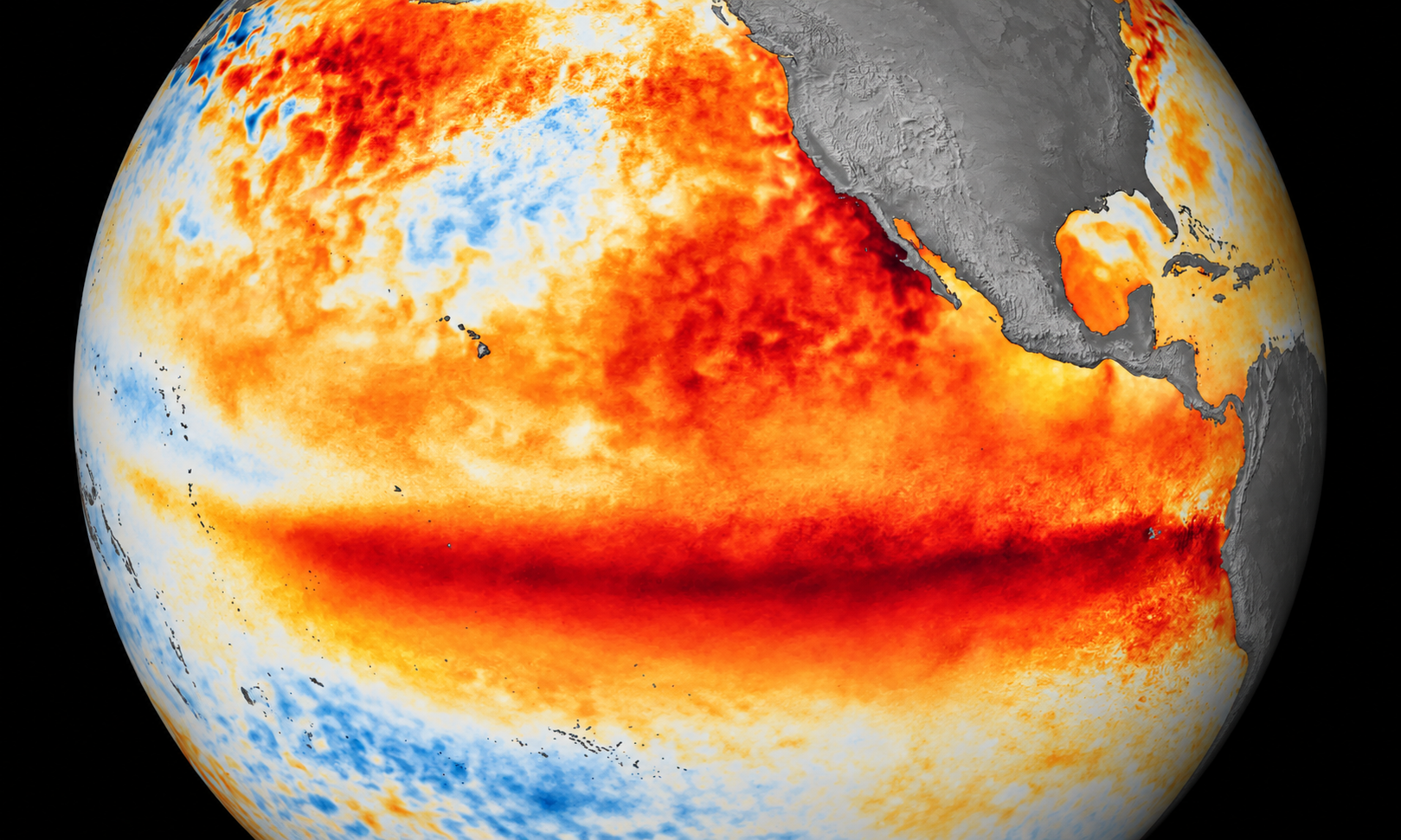
El Niño is a naturally occurring climate phenomenon involving unusually warm sea surface temperatures in the central and eastern tropical Pacific Ocean. This warming affects the atmosphere, influencing wind patterns, rainfall and temperatures in different parts of the world.
It is part of a wider climate cycle known as the El Niño-Southern Oscillation, which also has a cooler phase called La Niña.
The term Super El Niño is not an official scientific category. It is an informal description used when an El Niño event becomes exceptionally strong.
What makes the current event particularly concerning is its projected intensity. According to the WMO, sea surface temperature anomalies in the Niño 3.4 region could reach approximately 3.7 degrees Celsius above normal during October to December 2026. That would exceed the previous observed record of about 2.6 degrees Celsius during the 2015–2016 event.
In simple terms, the Pacific Ocean is becoming unusually warm, and that warmth can influence weather far beyond the ocean itself.
But here is something important: El Niño does not produce the same weather conditions everywhere. Some regions may experience unusually dry conditions, while others could face heavier rainfall. The effects depend on geography, season and other climate patterns.
So, while the name may sound dramatic, understanding where and how the effects could occur is much more useful than assuming the whole world is about to experience the same weather.
And It Might Not Stop at Sweating
Imagine trying to sleep on a particularly hot night. You turn one side, then the other. You adjust your pillow, move closer to the window and eventually start wondering whether sleeping on the floor might be a better idea.
It sounds funny until you consider what prolonged heat can do to the body.
High temperatures can make it difficult to sleep comfortably, increase dehydration and put additional strain on the body. Heat exhaustion can develop when the body struggles to cool itself, with symptoms such as heavy sweating, dizziness, weakness, headaches and nausea.
For people who work outdoors, the risks can be greater. Market traders, construction workers, farmers, delivery riders, security personnel and transport workers may spend long hours exposed to the sun.
Children, older adults, pregnant women and people with certain existing health conditions may also be more vulnerable to heat-related illness.
This is why preparing for hotter conditions should not be reduced to buying another standing fan. Drinking enough water, taking breaks in shaded or cooler places, wearing light and breathable clothing and avoiding strenuous outdoor activities during the hottest part of the day can make a difference.
And if someone begins showing signs of serious heat illness, they should receive prompt medical attention.
Your Pocket Could Feel the Heat Too
Now, let's talk about the part that tends to get everyone's attention: money.
When the weather becomes uncomfortable, people naturally look for ways to make life easier. That could mean buying more drinking water, using fans for longer, running an air conditioner more frequently or spending extra money on ways to keep their homes cool.
In a country where electricity costs and household expenses already influence everyday decisions, prolonged hot conditions could add another layer of pressure.
There is also the food question.
Agriculture depends heavily on suitable weather conditions. Changes in rainfall and temperature can affect planting seasons, crop development, livestock and water availability. If farmers experience unfavourable conditions, food production and supply chains may come under pressure.
That does not automatically mean food prices in Nigeria will rise because of this El Niño. Several factors influence food prices, including local rainfall, insecurity, transport costs, storage, imports and government policies. However, climate-related disruptions in agricultural regions can become part of a much bigger food-security problem.
In other words, the weather can affect more than whether you enjoy your afternoon. It can influence what ends up on your dinner table and how much you spend to get it.
Before the Weather Turns into Your Personal Enemy
The good news is that preparation does not have to be complicated or expensive.
You do not need to turn your home into a cooling centre or start shopping for equipment you cannot afford. A few everyday adjustments can help you manage hot conditions more safely.
Start with hydration. Keep drinking water available, particularly when you are outdoors or physically active. Do not wait until you feel extremely thirsty before taking a drink.
Pay attention to your environment. Keep rooms ventilated when outdoor conditions allow, use available shade and reduce activities that generate unnecessary heat indoors. Where possible, avoid prolonged exposure to direct sunlight during the hottest hours.
Dress for comfort. Lightweight, loose-fitting clothing can help the body regulate its temperature. A hat or umbrella can also provide useful protection when going out.
Most importantly, check on people around you. An elderly neighbour, a child, someone who works outdoors or a person living alone may need extra attention during periods of extreme heat.
And because weather conditions differ from one location to another, follow updates from the Nigerian Meteorological Agency (NiMet) rather than relying entirely on viral social media predictions. Local forecasts are more useful for understanding what is actually expected in your area.
The Forecast Is Not a Reason to Panic
It is easy to hear the words Super El Niño and imagine a world where every day is unbearably hot, farms stop producing food and the weather becomes completely unpredictable.
But that is not what the science says.
A very strong El Niño increases the likelihood of significant changes in global temperature and rainfall patterns. It does not guarantee that every country will experience the same effects or that every forecasted risk will happen.
Nigeria's experience will depend on local and regional climate conditions, including the influence of the tropical Atlantic and other weather systems. This is why national and local forecasts matter.
Still, the possibility of an unusually strong climate event is a good reason to pay closer attention to how we respond to weather. We often think of climate change and climate patterns as issues for scientists, governments and environmental organisations. Yet their consequences can appear in the simplest parts of our routines: the quality of our sleep, the cost of keeping cool, the availability of food and the comfort of getting through an ordinary afternoon.
We cannot control the temperature of the Pacific Ocean, but we can pay attention, prepare and look out for one another.
So, the next time the fan seems to be working harder than you are, remember that keeping cool is not just about comfort. Sometimes, it is about taking care of yourself.
And perhaps that is the most important thing to carry into the months ahead: stay informed, stay hydrated, look after your people and do not wait until the heat becomes unbearable before taking it seriously.
The weather may be beyond our control, but how we prepare for it isn't. Stay informed, take care of yourself and keep up with the little things that make everyday life easier. And when it's time to turn your crypto into Naira, Monica makes the switch simple.
Don't forget to pay your electricity bills with Monica and feel the breeze.
Download the Monica app: https://monica.cash/app