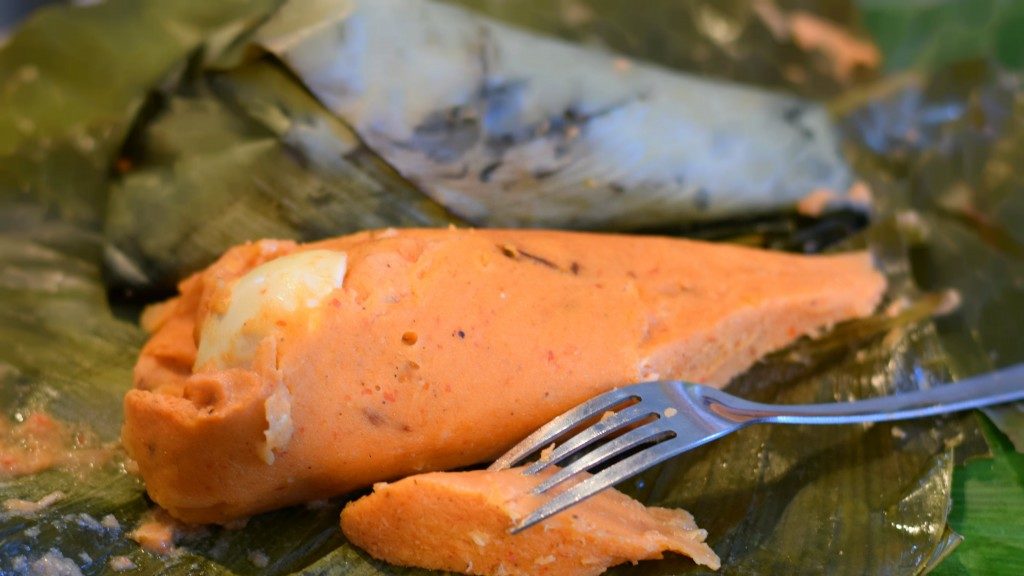
The Best Meals in Nigeria Happen After 10pm and Nobody Is Apologising for That
It is 11pm. You are not supposed to be hungry but you are hungry. And somewhere in your city, a suya spot is still lit, a mama put is still open and a pot of something is still on fire. Welcome to Nigeria's most honest food culture.
There is a particular kind of hunger that only arrives late.
Not the polite, scheduled hunger of breakfast, lunch and dinner that nutritionists recommend and calendars accommodate. The other kind. The hunger that appears after a long day has finally ended, after the last meeting is done and the commute is survived and the shoes come off and the body finally relaxes enough to remember that it has not eaten properly since afternoon and now, at a completely unreasonable hour, it would like something hot and immediate and entirely satisfying.
Nigeria has built an entire culture around that hunger.
It is not accidental. It is the natural output of a country where the day runs long, where traffic stretches the hours between leaving work and arriving home into something that defeats the concept of a scheduled dinner, where the economy keeps people moving until the city finally, reluctantly, begins to quiet. And where, in the gaps that remain, vendors, restaurants and roadside spots have been faithfully present with fire, flavour and zero judgement about what time it is.
The Suya Spot at Midnight
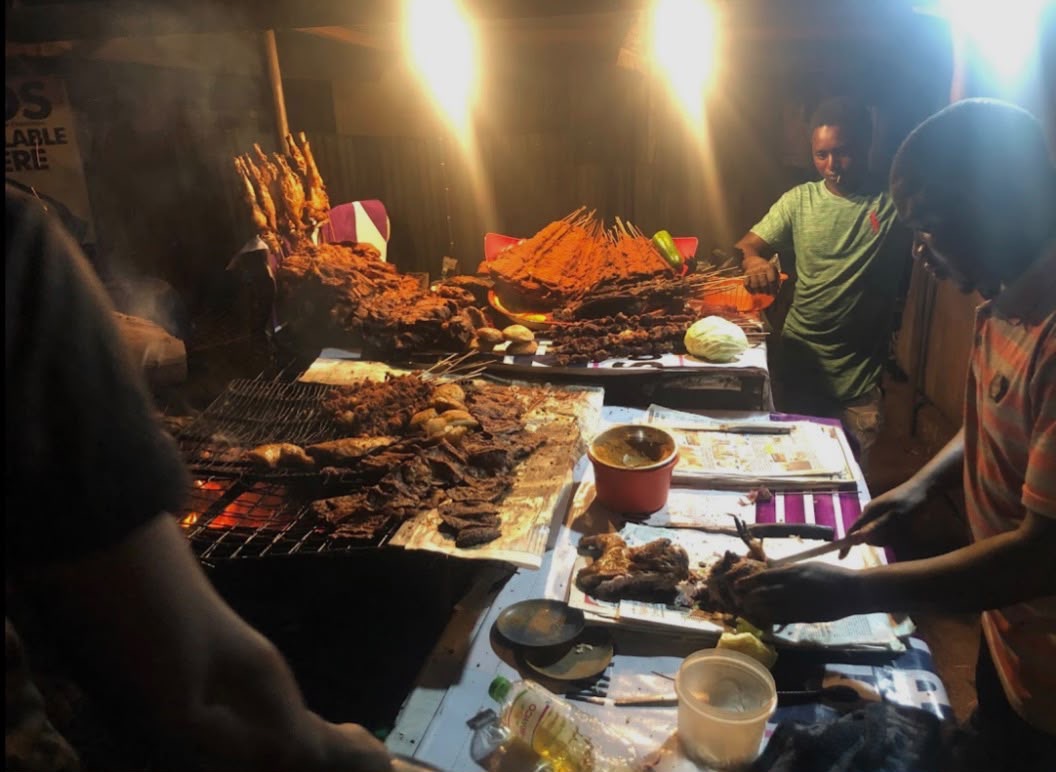
There is no late night food institution in Nigeria more dependable than the suya spot.
It is always there. Somewhere on a road you know, at a junction that has its own grammar, under a light that seems specifically designed to make skewered meat look exactly as good as it smells. The smoke arrives before the stall does, announcing itself several metres ahead and making the decision for you before your brain has even finished consulting your wallet.
Nigerian suya at midnight is a specific experience that cannot be replicated at any other hour. The meat is the same. The onions and tomatoes in the newspaper wrapping are the same. The yaji is the same. But something about eating it standing at the roadside at midnight, in the company of strangers who all arrived at the same spot for the same reason, gives it a quality that afternoon suya simply does not have.
It is the hour. The hour makes the suya.
The Mama Put That Never Closes
Every neighbourhood has one.
The small canteen or bukka that operates on its own time zone, one that does not correspond to any internationally recognised schedule of business hours. It opens when it opens. It closes when it closes. And on the nights when you need eba and egusi at 10:30pm, it is somehow, inexplicably, still warm and still serving.
Mama put culture is one of Nigeria's most underappreciated culinary institutions, built on the principle that good food at a fair price should be available to working people at the hours working people actually need it, which is often late and always without fuss.
The portions are honest. The soup is serious. The eba is fresh enough that it arrives from the pot rather than from however long it has been sitting. And the woman behind the counter, who has been there since morning, serves the midnight customer with the same energy she brought at noon, which is either a testament to stamina or to the particular satisfaction of feeding people properly.
The Indomie That Nobody Is Admitting To
Let us be honest about the Indomie.
It is not a meal. Everyone knows it is not a meal. The nutritional content is a conversation that can wait for morning. But at 1am, when the kitchen is dark and the hunger is specific and the only thing standing between you and sleep is the need for something hot and comforting, the Indomie is precisely correct.
Two packs minimum. Egg if you have one. The kind of pepper that is more than the packet recommends because the packet recommendation is clearly for a different occasion. Eaten standing at the counter or sitting on the kitchen floor, depending on the kind of night it has been.
There is no shame in the late night Indomie. There is only the late night Indomie.
The Pepper Soup at the Joint
Pepper soup is Nigeria's most honest food. It does not pretend to be anything other than what it is: hot broth, serious pepper, protein of your choosing and the specific restorative quality of something that was clearly made with intention.
The late night pepper soup joint is its own category of establishment. Usually louder than it needs to be. Often better lit than you expect. Serving catfish or goat meat or cow leg depending on the night and the establishment, with the bread or agege that arrives on the side to handle the overflow of broth.
You do not go to a pepper soup joint quietly. You go with people, or you arrive alone and leave knowing people, because the combination of good broth and late night and the shared understanding that everyone present made a deliberate decision to be here creates the kind of sociability that more formal restaurants spend years trying to engineer.
The Party Food That Follows You Home
There is a category of late night food that requires no restaurant and no vendor: the food from the party you attended earlier in the evening that was packed into nylon bags and foil containers by hosts who understood that no one leaves a Nigerian party without taking something.
Jollof rice. Small chops. Fried chicken. Moi moi. The things that tasted excellent at the party and taste somehow even better at midnight on the kitchen counter, standing in whatever you changed into when you got home, replaying the evening while finishing the food that followed you out of it.
It is not a meal. It is a continuation. And it is one of the most purely Nigerian food experiences available.
The Nkwobi and the Oxtail and the Things Served With Palm Wine
In the south, in bars and relaxation spots that operate on their own late night economy, there are the things served with drinks that become the meal you did not plan to have.
Nkwobi. Ngwo-ngwo. Isi ewu. Oxtail. Ponmo and oil and whatever the kitchen is making that particular evening. Served in clay pots or on enamel plates with the understanding that the food and the company and the hour are all part of the same experience, not separate elements to be optimised individually.
This is not fast food. It is slow food at a fast hour, and the combination produces something that sits in memory long after the evening ends.
What Late Night Food Is Really About
The nutritionists are right that eating late is not ideal. The body processes food differently at night. The metabolism is slower. The advice is consistent and sensible and almost entirely beside the point when it is 11:30pm and the hunger has arrived.
Because late night food in Nigeria is not really about nutrition. It is about the day being over and the body needing something and the city, generous and inexhaustible, providing it. It is about the suya man who is still there when you need him and the mama put that did not close and the party food that made it home with you and the Indomie that asked no questions.
It is about the particular relief of eating when you are genuinely hungry, at an hour that the world did not schedule for it, with the specific appreciation that comes from needing something and finding it available.
Nigeria's late night food culture is not a compromise. It is a feature. A deliberate, delicious, completely unapologetic feature of life in a country where the day runs long and the hunger arrives when it arrives and the food, somehow, is always there.
Eat your suya. It is fine.
Your late night cravings deserve late night solutions. Monica processes your transactions at any hour including midnight. Convert your crypto, pay your bills and fund your wallet whenever you need to because Monica does not close.
Midnight transactions? Monica is awake. Open the app now👉 https://monica.cash/app