
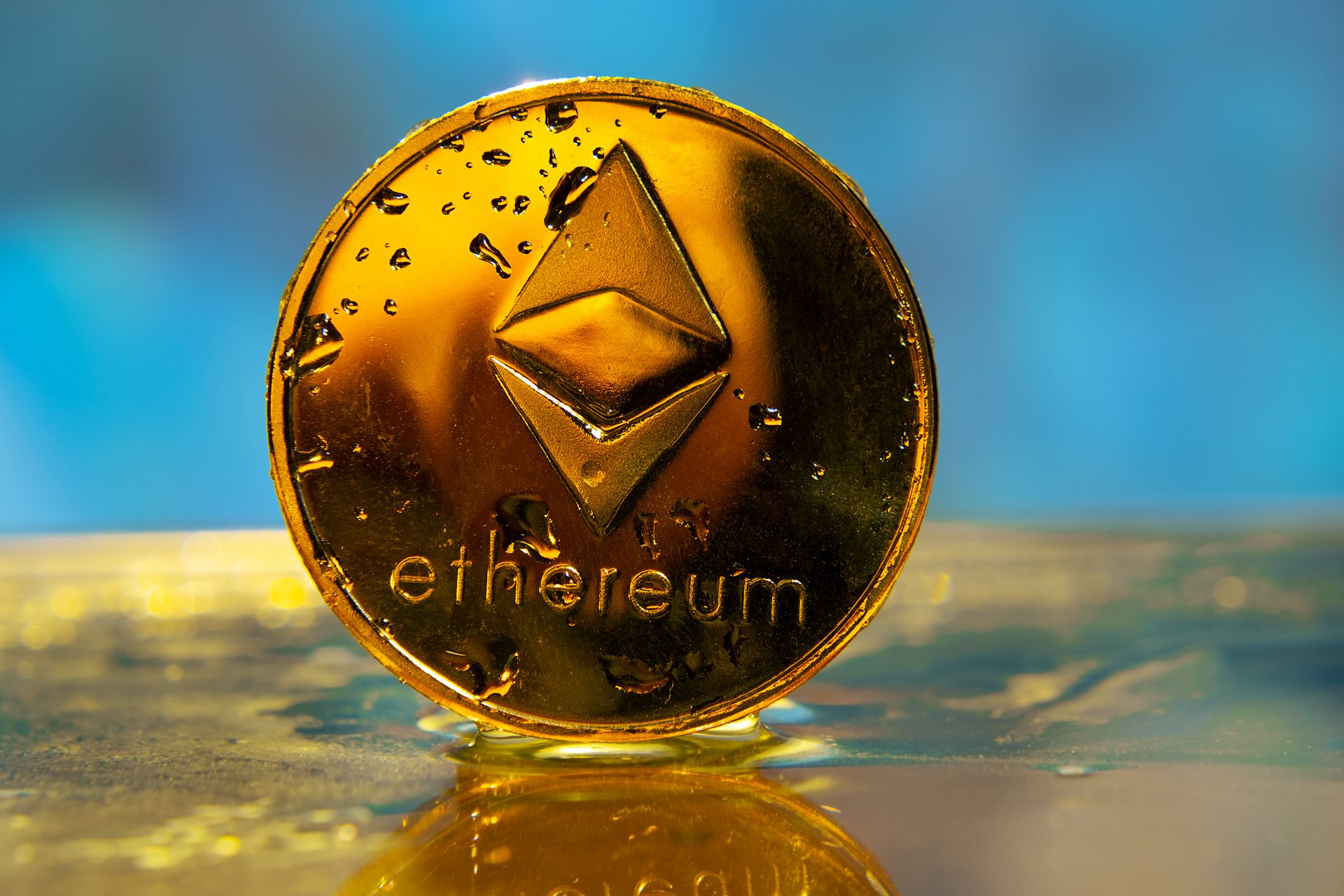
Ethereum is facing a familiar test: can progress in its underlying technology and institutional adoption offset signs of weakness across parts of its market?
Recent developments offer a mixed picture. Investment products linked to Ether have experienced sustained withdrawals, the Ethereum-based NFT marketplace Blur is preparing to close its website, and developers are continuing work on Glamsterdam, a network upgrade intended to improve Ethereum's capacity and efficiency.
Together, these developments show why Ethereum's story cannot be measured by its price alone.
ETF outflows put institutional demand under pressure
US spot Ether exchange-traded funds have recorded a series of net outflows in October, indicating that investors have been withdrawing more money from these products than they have been adding.
Data from Farside Investors shows combined net outflows of approximately $201.9 million on October 6, followed by further withdrawals over subsequent trading sessions. The figures indicate a period of pressure on investment demand, although daily flows can change direction and do not, on their own, establish the market's longer-term outlook.
ETF flows matter because these investment products provide a route for investors to gain exposure to Ether without directly managing cryptocurrency wallets. Sustained withdrawals can signal reduced demand through that channel, while renewed inflows may suggest improving interest.
However, ETF activity is only one part of Ethereum's market. Network usage, staking, decentralised finance and broader economic conditions also influence how the asset performs.
Blur's planned closure highlights the NFT market's challenges
Another development has drawn attention to Ethereum's NFT ecosystem.
Blur, once one of the leading marketplaces for non-fungible tokens, announced that it plans to retire its website interface on November 12, 2026. Its underlying marketplace smart contracts are expected to remain operational onchain, meaning the announcement does not amount to the complete shutdown of the protocol.
The platform's Blend lending service will also stop matching new loans on November 12. Borrowers must address outstanding loans before the deadline or risk default, according to reports on the announcement.
The move follows a steep contraction in NFT trading activity. CoinDesk reported that Blur's monthly trading volume fell from approximately $1.43 billion at its March 2023 peak to less than $7 million in March 2026.
The decline illustrates the difficulty of sustaining activity in a market where trading incentives, speculative demand and user interest can change rapidly.
It is important, however, to distinguish the closure of a marketplace's website from the end of Ethereum itself. Blur's decision concerns one service operating within the wider ecosystem, not the Ethereum blockchain as a whole.
Glamsterdam remains a major development to watch
Away from the market pressures, Ethereum developers are preparing for the Glamsterdam upgrade, a planned protocol update focused on improving the network's capacity and efficiency.
The upgrade is designed to change how Ethereum processes transactions and builds and verifies blocks. Among its proposed features are enshrined proposer-builder separation and block-level access lists, which are intended to support greater transaction-processing capacity and more efficient network operations.
The Ethereum Foundation announced a Sepolia testnet activation for October 6, while the mainnet activation date remained unconfirmed in its published update.
For users, developers and businesses building on Ethereum, the upgrade's significance will ultimately depend on implementation, network performance and how effectively the changes support applications.
It should not be treated as an automatic trigger for an Ether price rally. Technical improvements can strengthen a network's long-term prospects, but market prices remain influenced by demand, liquidity and investor expectations.
What the developments mean for Ethereum
Ethereum's current picture is neither entirely bullish nor entirely bearish.
ETF withdrawals point to pressure on one source of investment demand. Blur's planned website closure reflects difficulties in a segment of the NFT market. Meanwhile, the Glamsterdam upgrade demonstrates that development work on Ethereum's infrastructure continues.
These trends can coexist. A blockchain can make technical progress while some businesses built around it struggle to maintain users or revenue.
For anyone following Ether, the important indicators to watch include changes in ETF flows, the progress of Glamsterdam's testing, network activity and whether decentralised applications can sustain meaningful demand.
The broader lesson is that a blockchain's long-term value depends on more than market enthusiasm. It also depends on useful applications, sustainable businesses, secure infrastructure and continued participation from users and developers.
As Ethereum moves through this period, its next chapter will be shaped not by one headline, but by how these different forces develop.
Need to turn your crypto into naira for everyday spending? Monica makes the conversion straightforward. Download the app to convert supported cryptocurrencies to naira and put your digital assets to practical use.
Get started with Monica https://monica.cash/app