US-Iran Tensions Shut Down the World's Most Important Oil Route and Prices Are Climbing Again
Brent crude is trading at $84.64 as of July 16, 2026, holding near its highest levels since mid-June as US-Iran tensions over the Strait of Hormuz show no sign of easing.
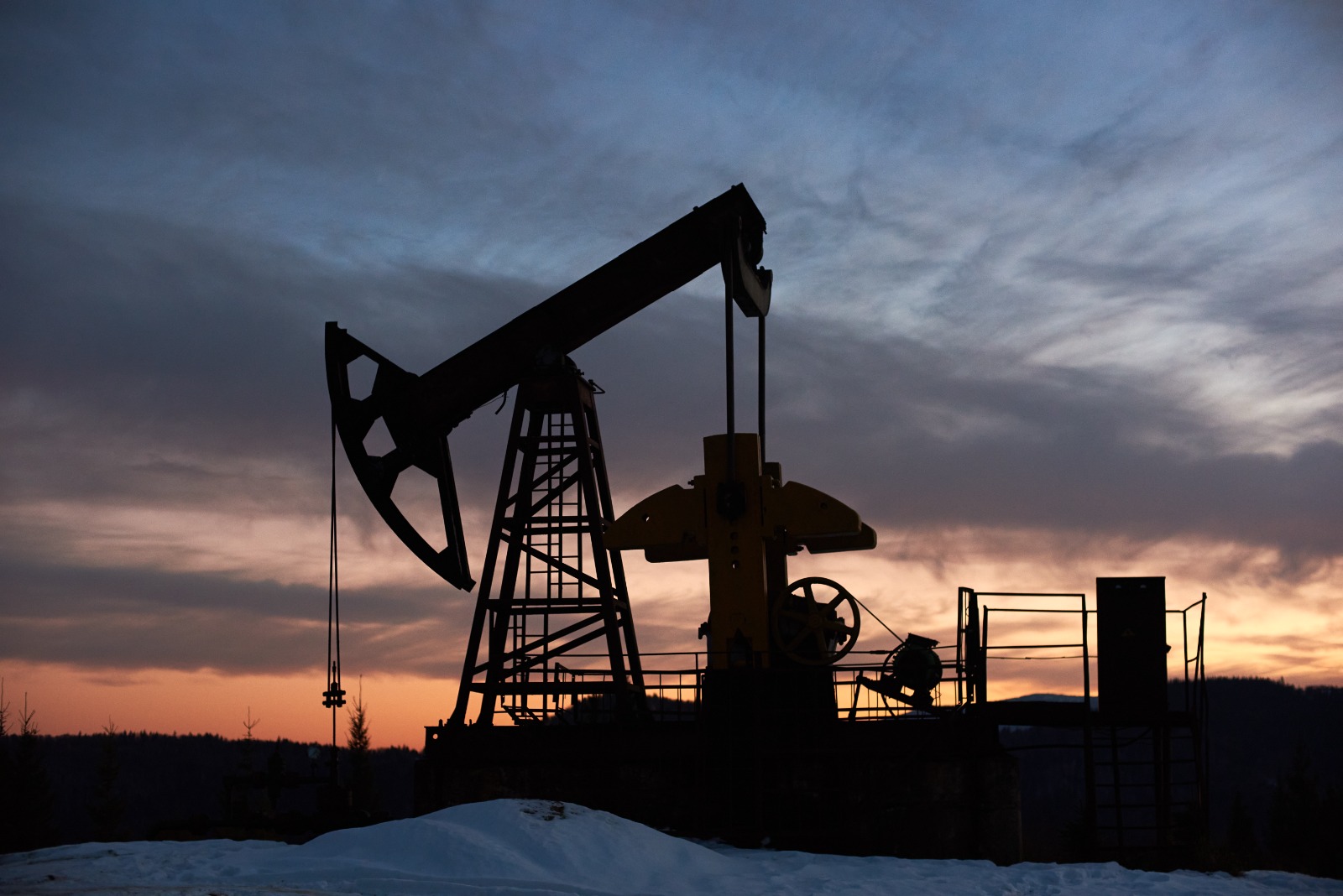
Hostilities between the United States and Iran have flared again over the Strait of Hormuz, the narrow waterway through which one fifth of the world's daily oil supply passes, sending Brent crude surging to $85.92 per barrel on Tuesday before settling at $84.64 today, its highest sustained level since mid-June.
The US Central Command launched strikes on Iran for a third consecutive day on Monday, citing Iranian attacks on commercial vessels in the strait. Iran responded with missile and drone strikes targeting US military assets in Bahrain and Kuwait, and separately declared the waterway closed to vessels heading to and from American and allied ports.
The result was immediate. Tanker traffic through the strait dropped from approximately 130 daily transits before the conflict began in late February to just 57 vessels over a recent three-day period, a collapse of more than fifty percent, and the US Treasury simultaneously revoked a temporary sanctions waiver on Iranian oil, effective July 17, cutting off another source of supply at exactly the wrong moment.
Brent crude has now risen 19 percent from its price before the initial US-Israel strikes on Iran in late February, after briefly returning to pre-conflict levels following a peace memorandum signed on June 17 that markets had hoped would hold.
It did not hold.
For Nigeria the consequences cut both ways, higher oil prices strengthen export revenues and government finances at a moment when Nigeria's external reserves have already hit a 17-year high of $51.7 billion, but elevated energy costs feed directly into fuel prices, transport costs and food prices for households already navigating an elevated cost of living.
Globally the picture is sharper, Asia absorbs approximately 84 percent of all oil passing through the strait, meaning China, India, Japan and South Korea are most immediately exposed to supply tightening, and analysts at MST Financial warn that oil prices will remain elevated as long as hazardous conditions in the strait persist and emergency stockpile buffers continue to be drawn down.
Talks between Washington and Tehran are reported to be planned in Doha. Markets are watching but no longer treating ceasefire news as settled until the tankers are moving again.
Global markets move fast, your money should too. Stay ahead of everything.
Download https://monica.cash/app to keep your finances moving.