West Africa Is Getting a Single Currency in 2027 and Nothing Will Be the Same
After decades of delays, false starts and missed deadlines, ECOWAS has set a firm date for the ECO. Here is what it means for Nigeria, for trade and for every West African moving money across borders.
It has been a long time coming.
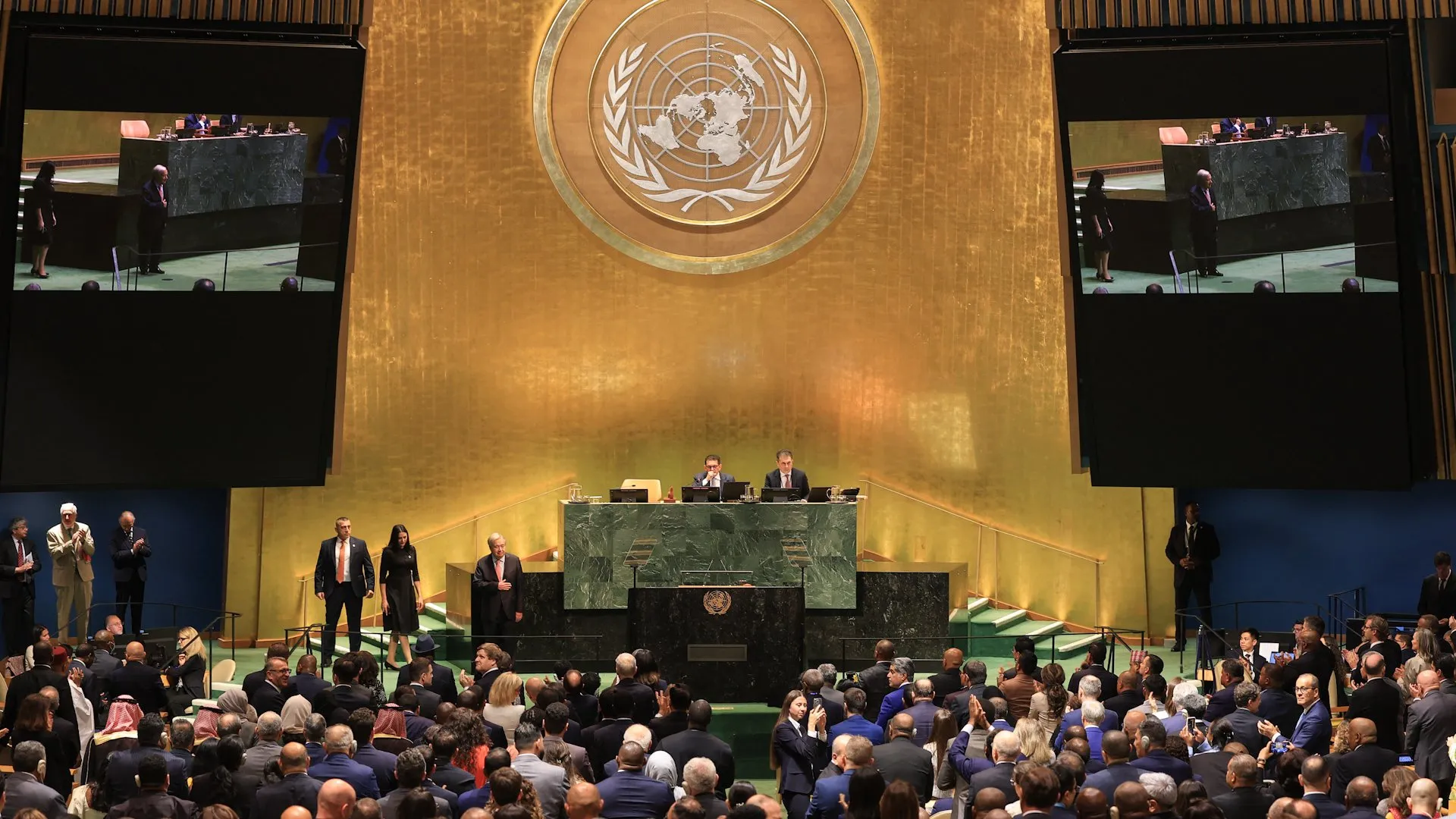
At the 69th Ordinary Session of the ECOWAS Authority of Heads of State and Government held in Lungi, Sierra Leone on Sunday July 19 2026, the leaders of West Africa's sixteen member states did something that previous summits have repeatedly promised and repeatedly postponed, they reaffirmed a firm commitment to launching the ECO, the bloc's long-awaited single regional currency, in 2027, and this time the communiqué language was specific enough to suggest that the deadline is being treated with considerably more seriousness than its predecessors.
The ECO has been in discussion since the 1980s, surviving regime changes, economic crises, currency collapses and the departure of three member states, Burkina Faso, Mali and Niger, who formed the Alliance of Sahel States last year, and its repeated delays have made it one of the most discussed and least delivered projects in African economic history, which is why the Lungi declaration, while cautious optimists have been here before, carries weight that previous announcements did not entirely have.
The structure being proposed is deliberate and phased. The ECO will initially be adopted only by member states that meet agreed convergence criteria covering inflation rates, fiscal deficits, public debt levels and current account balances, while countries that do not yet qualify will receive support to enable them join at a later stage, an approach designed to avoid the mistakes of a currency union that rushes membership at the expense of economic discipline and ends up weaker for it.
ECOWAS economies are in a stronger position to attempt this than they have been in years. The summit communiqué noted that member states have demonstrated resilience despite global economic challenges, projecting a favorable outlook for 2026 supported by declining inflation, lower public debt-to-GDP ratios and a widening current account surplus, though fiscal deficits remain a concern that the bloc acknowledged directly rather than glossing over.
The name ECO has already been registered with the African Intellectual Property Organization, and the Authority directed the Commission to secure trademark registration with other regional and international intellectual property bodies, a procedural step that signals institutional momentum rather than just political rhetoric.
For Nigeria the stakes are significant and complicated simultaneously, because Nigeria is the largest economy in West Africa by a considerable margin, accounting for approximately 67 percent of the bloc's total GDP, which means the ECO's success or failure depends more on Nigeria's economic management, monetary discipline and political commitment than on any other single member state, and the naira's recent turbulence, having lost more than 70 percent of its value against the dollar between 2023 and 2024 before stabilizing, raises legitimate questions about Nigeria's readiness to meet the convergence criteria on the timeline being discussed.
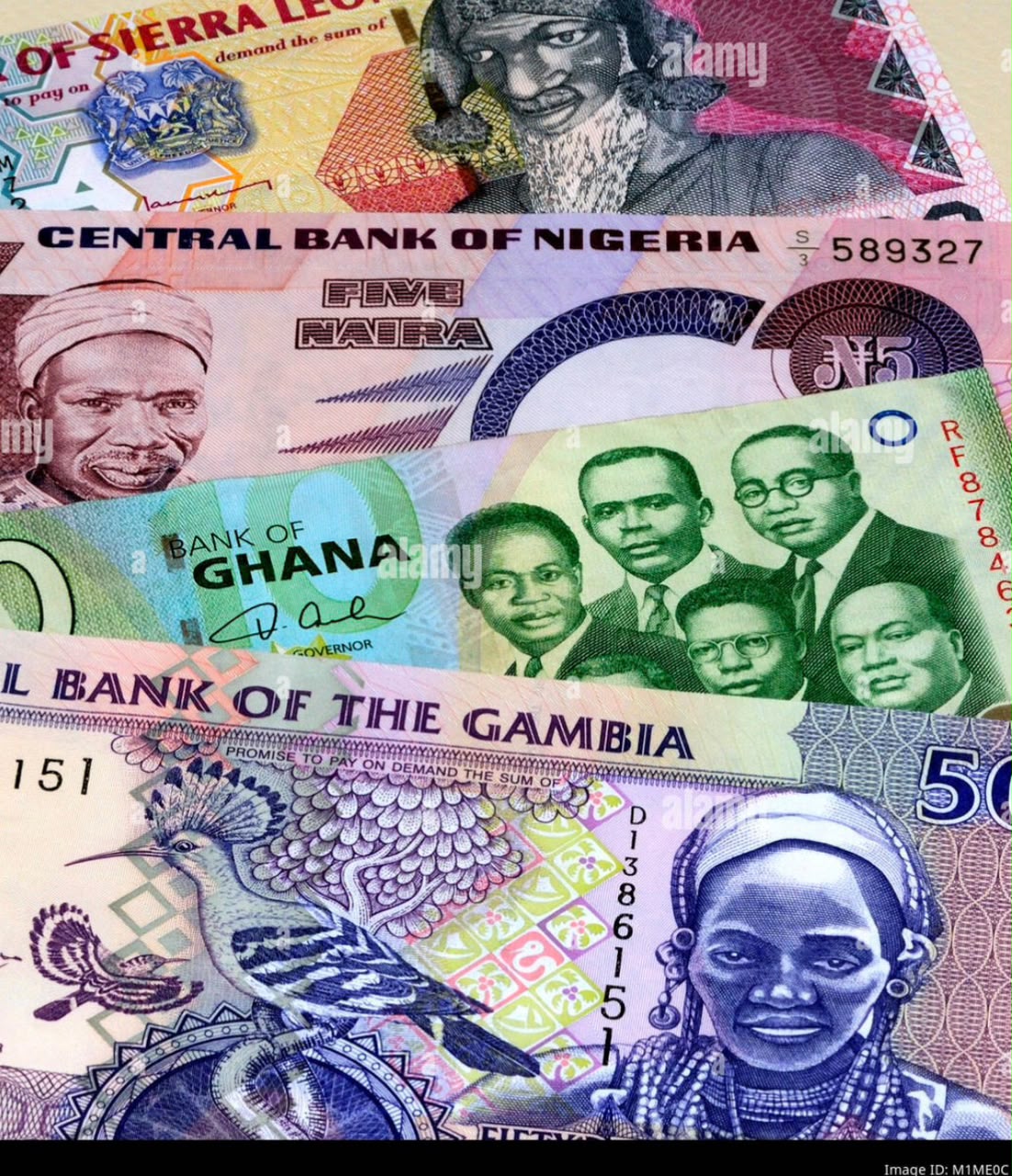
The potential benefits of a successful ECO are substantial, a single currency across West Africa would eliminate the currency conversion costs that currently make cross-border trade between member states unnecessarily expensive, reduce the transaction fees that businesses and individuals pay every time money crosses a border within the region, simplify trade for the millions of West Africans who buy, sell and move goods between countries, and create the kind of unified economic market that attracts the scale of foreign investment that individual West African economies struggle to draw on their own.
For everyday Nigerians who send money to relatives in Ghana, trade with suppliers in Côte d'Ivoire or receive payments from clients in Senegal, a single currency removes a friction that currently costs money, time and administrative complexity every single time it is encountered.
The summit also addressed the broader context in which the ECO is being launched, endorsing digital reforms including a Revised Supplementary Act on Personal Data Protection, new regional instruments on cybersecurity and digital governance, and the establishment of a Regional Cybersecurity Coordination Mechanism, all of which point toward an ECOWAS that understands the currency union it is building will operate in a digital economy and needs digital infrastructure to match.
The Inter-Governmental Agreement on the African Atlantic Gas Pipeline was also signed at the summit, described by leaders as a strategic project that will enhance energy security and economic integration across the region, and the bloc reaffirmed its commitment to reducing the cost of air transport across West Africa, applauding Côte d'Ivoire as the only member state to have removed applicable aviation taxes while urging others to accelerate similar reforms.
2027 is less than eight months away. Whether the ECO launches on schedule will depend on economic discipline, political will and the ability of West Africa's largest economies to align their monetary frameworks around criteria that do not bend for convenience.
The deadline is set, the work is not finished. But for the first time in a long time, both of those things are true at the same time.
West Africa's financial future is moving faster than most people realize. Monica is already built for where it is going, fast, simple and ready for whatever comes next.
The future of African finance starts with one smart move.
Make it Here: https://monica.cash/app