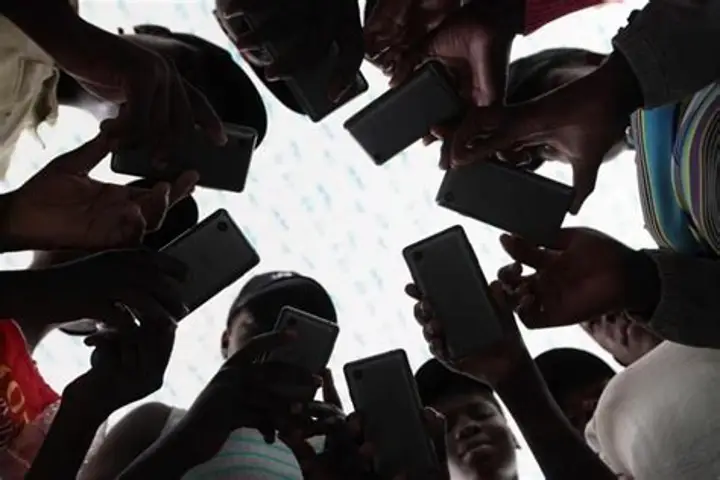
The Bank Is Leaving the Street and Moving Into Your Phone
Nigerian banks closed a net 476 branches and cash centres between 2022 and 2025 as digital banking changes where and how customers interact with financial institutions
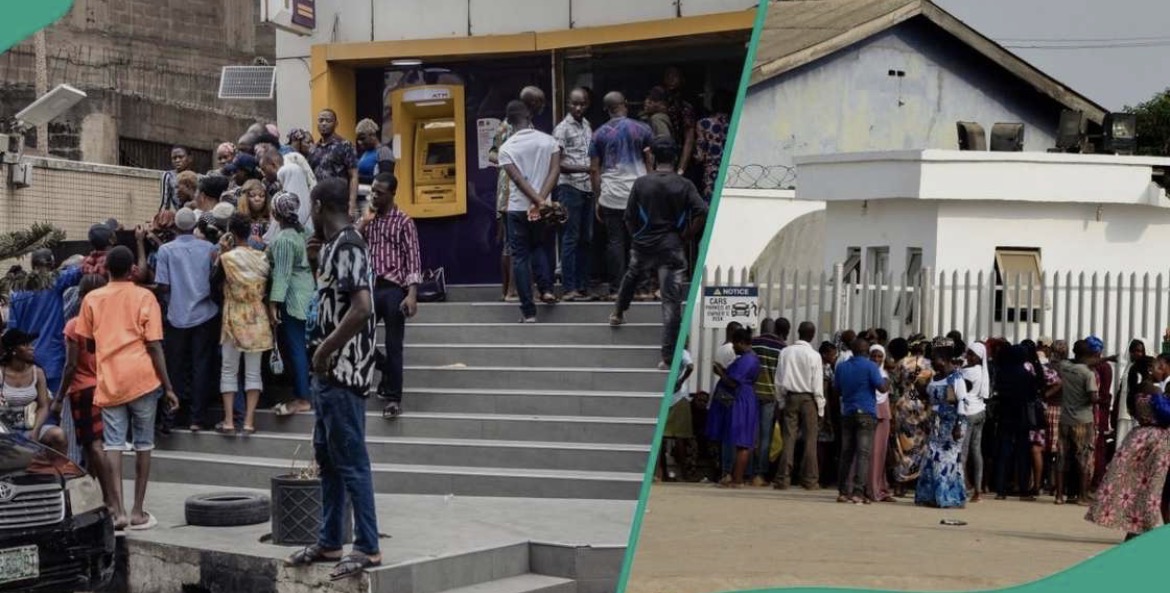
There was a time when going to the bank meant going somewhere.
You found the nearest branch, joined a queue, filled a form, waited for your turn and eventually reached the counter.
That picture is changing.
Nigerian banks closed a net 476 branches and cash centres between 2022 and 2025, reducing their physical footprint by 8.8 percent, according to Central Bank of Nigeria data reported on September 14.
The number tells a story about more than disappearing bank buildings.
It shows how dramatically the Nigerian banking experience is changing.
Increasingly, the bank is no longer a place you visit.
It is an application on your phone.
Why are branches disappearing?
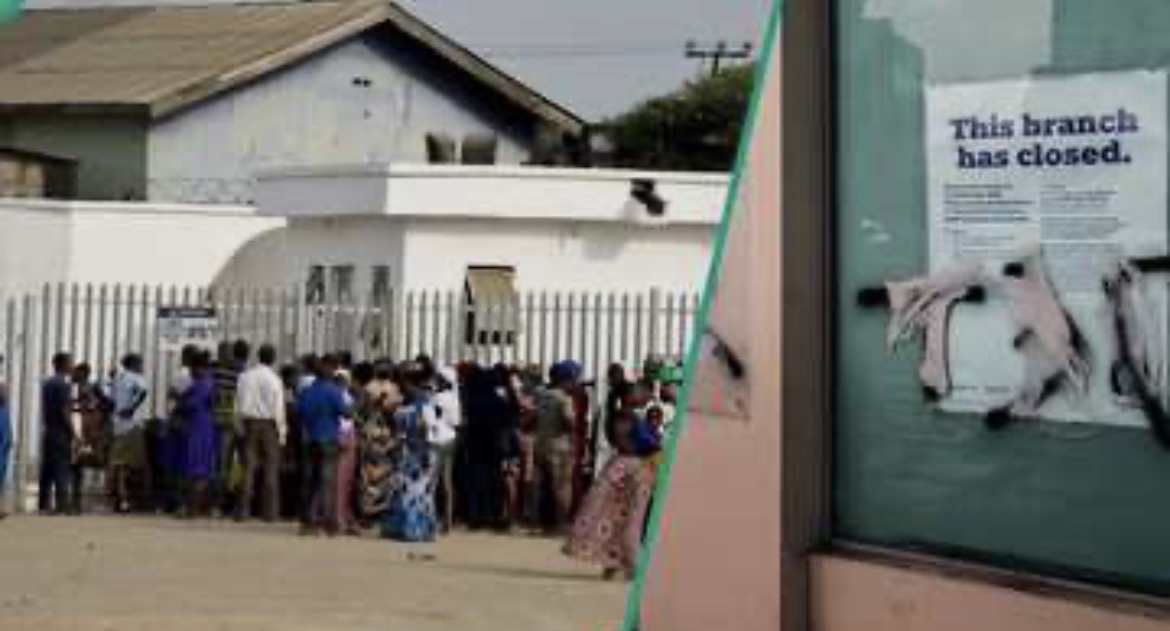 The answer is partly technological.
Mobile banking, USSD services, internet banking, payment applications and agent networks have changed what customers expect from financial institutions.
A customer who once needed a branch to transfer money can now do it from a phone. Bills can be paid without standing in a queue. Account balances can be checked instantly. Transfers that once required paperwork can now take seconds.
That changes the economics of running physical branches.
If fewer customers need to walk through the doors, maintaining large networks of buildings, staff and cash-handling infrastructure becomes harder to justify.
The decline in physical branches therefore does not necessarily mean Nigerians are abandoning banks.
In many cases, it means they are using banks differently.
The phone has become the new banking hall
Consider how much financial activity can now happen without entering a bank.
You can receive your salary, transfer money to a friend, pay electricity bills, purchase airtime, subscribe to television services and make payments without speaking to a bank employee.
That convenience has also helped create an increasingly competitive financial ecosystem where traditional banks now operate alongside fintech companies and other digital financial platforms.
Nigeria's payments system is moving further in that direction. The CBN's Nigeria Payments System Vision 2028 aims to expand financial inclusion to 95 percent and bring another 50 million Nigerians into the formal financial system by 2028.
The objective is not simply to make banking digital.
It is to make financial services more accessible.
But the branch still matters
For all the convenience of digital banking, physical branches are unlikely to disappear completely.
Some customers still need face-to-face assistance. Businesses may require specialised services. Older customers and people with limited digital access may depend on physical banking infrastructure.
There is also the question of trust.
When something goes wrong with your money, some people still want to sit across a desk from another human being and ask what happened.
That means the future may not be about banks choosing between branches and technology.
It may be about finding the right balance between both.
The bigger change is already here.
The Nigerian bank is becoming less of a building and more of a digital experience.
And as more financial services move onto phones, the question is no longer whether Nigerians will bank digitally.
It is how much of their financial lives they will eventually manage there.
Your bank may be moving into your phone, but so is the rest of your financial life.
Monica brings everyday money moves closer to that same digital experience, from converting supported crypto to naira to paying bills, buying airtime and handling other everyday payments. When money needs to move, your phone may already be the closest financial counter you have.
Download the Monica app https://monica.cash/app and let your phone handle the rest.