How to Spot a Fake Payment Screenshot Before You Release the Goods
A payment screenshot can look convincing and still tell you very little. Before you hand over a product or provide a service, here is how to verify that the money has actually reached your account.
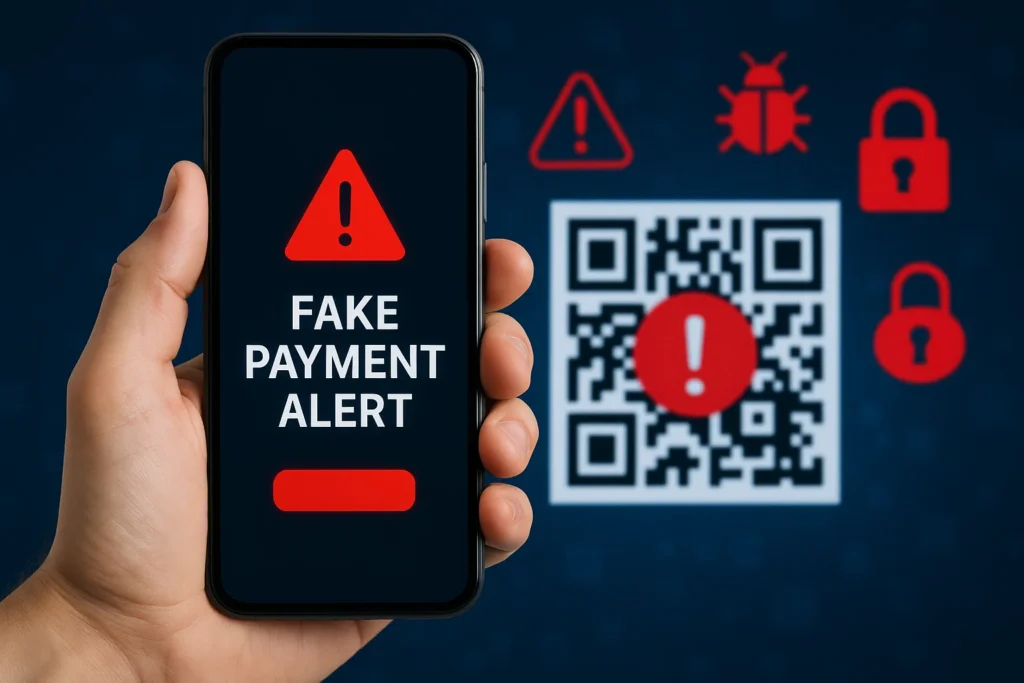
Someone sends you a screenshot.
The amount looks right. Your name is there. The transaction appears successful. There is even a reference number staring back at you.
“Sent.”
You check the screenshot again and everything seems to add up.
But there is one problem: a screenshot is not the money.
With digital payments now part of everyday business in Nigeria, fake or misleading payment evidence can turn a successful sale into an expensive lesson. A screenshot can be edited, reused, altered or taken from a transaction that never reached the intended recipient.
The safest approach is simple: verify the payment yourself before releasing the goods or completing the service.
Don't let the screenshot make the decision
The first thing to remember is that a payment notification and a payment screenshot are not the same as money being available in your account.
If someone sends you evidence of a transfer, open your own banking or payment app and check your account.
Look at your current balance and transaction history. If the money has not appeared, do not release the item simply because the buyer insists that the transfer was successful.
This is particularly important when dealing with strangers or completing transactions through social media and online marketplaces.
A buyer may genuinely have initiated a transfer that is still pending. There could also be a delay between the sending and receiving institutions. Whatever the reason, the seller should wait for confirmation from their own account rather than relying solely on what appears on the other person's phone.
Check the details, not just the picture
If a buyer sends you a screenshot, you can use it as information, but don't treat it as final confirmation.
Check the recipient's name, amount, date, time, transaction status and reference details against what you see in your own account.
If the sender says they transferred ₦50,000 but your account shows nothing, the transaction has not been confirmed from your end.
And if your bank account shows a different amount, don't assume that a screenshot showing the expected amount settles the matter.
Your own transaction record should be your source of truth.
Watch out for pressure
One of the biggest warning signs is urgency.
“I'm already outside.”
“Please give me the item, my transfer has gone through.”
“Check the screenshot.”
“It's a network issue; you'll see it later.”
Pressure can make an ordinary transaction feel like an emergency. It doesn't have to.
Take your time to verify the payment. A genuine buyer may be disappointed by a delay, but a seller who releases goods before confirming payment has very little protection if the money never arrives.
What if the transfer is pending?
Don't confuse a pending transaction with a completed payment.
If the money is not available in your account, contact your bank or payment provider through its official channels and confirm the status where necessary.
Avoid relying on a message from the sender saying that the transaction will eventually arrive.
And never send money back simply because someone claims they accidentally transferred too much until you have independently confirmed the original payment and understood what happened.
A few seconds can save you money
There is no special technology required to avoid most fake-payment traps.
Before releasing goods or providing a service:
Check your account.
Check the transaction history.
Confirm the amount.
Confirm the payment status.
Keep the transaction reference where appropriate.
And if something doesn't look right, pause the transaction.
This matters even more for businesses that receive several payments every day. When transactions are coming in quickly, it can be tempting to accept screenshots as proof and move on to the next customer. A simple verification routine can help prevent avoidable losses.
What about payment notifications?
Payment alerts can also be useful, but they should not replace checking your actual account.
Notifications can be delayed, missed or, in some cases, imitated. If you're selling something valuable, go directly to your banking or payment app and confirm the transaction rather than relying on a notification forwarded by someone else.
The same rule applies to screenshots of receipts, SMS messages and messages sent through social media.
See the evidence, but verify the money.
The bottom line
Digital payments have made buying and selling considerably easier, but convenience comes with a responsibility to verify transactions before completing them.
The person sending the money may have a screenshot.
You need the money in your account.
That small difference could be the difference between completing a sale and giving away your goods for free.
So the next time someone sends you a payment screenshot, don't ask yourself, “Does this look real?”
Ask the more useful question:
“Has the money actually entered my account?”
If the answer is not yet yes, the transaction isn't finished.
A smarter payment habit starts with one simple rule: verify first, move second.
And when you're making your own everyday payments, Monica keeps things moving in one place from converting crypto to naira to paying bills, buying airtime and handling other everyday transactions.
Don't let a screenshot decide where your money goes. Make every move count with Monica. Explore the Monica App Here: https://monica.cash/app