
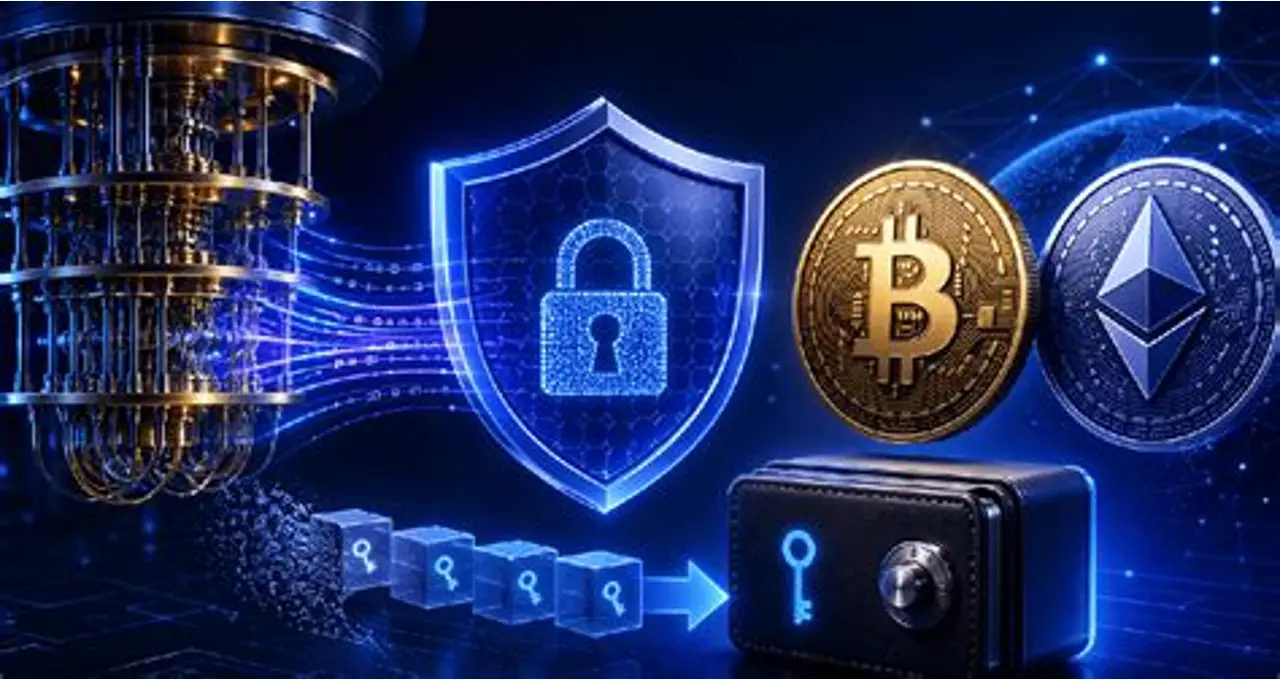
The most dangerous crypto scam may not look like a scam at all. It could arrive as a convincing message from someone claiming to be customer support, a website that looks identical to a trusted platform or even a physical wallet that appears brand new.
That is what makes crypto security a moving target. As digital assets become more widely used, criminals are finding new ways to exploit the trust people place in technology, familiar brands and seemingly legitimate investment opportunities.
Recent reports highlight the scale of the challenge. The International Criminal Police Organization (INTERPOL), in its African Cyberthreat Assessment Report 2026, said artificial intelligence was linked to 55 per cent of reported cybercrime across Africa. The report also estimated that cybercrime-related financial losses on the continent rose from $192 million in 2024 to $484 million in 2025.
For crypto users, the lesson is straightforward: protecting digital assets requires more than choosing a popular wallet or exchange. It means understanding how scams work, checking the tools used to access funds and knowing when a request should raise suspicion.
When a trusted wallet becomes a security concern
Hardware wallets are widely used by cryptocurrency owners who want to keep their private keys away from internet-connected devices. However, recent reports about suspected tampering involving Ledger hardware wallets have highlighted a less obvious risk: the security of the device's supply chain.
According to The Verge, users reported cryptocurrency thefts involving devices allegedly purchased through an unauthorised reseller. Investigators suspected that modified devices could capture sensitive recovery information during setup. Ledger said its own systems and devices purchased directly from the company had not been compromised. The reported incidents were still under investigation.
A hardware wallet can offer strong security, but a compromised device or recovery phrase can undermine that protection.
Anyone buying a hardware wallet should use the manufacturer's official website or an authorised reseller, inspect the packaging and device, and follow the manufacturer's setup instructions. Unexpected recovery phrases, suspicious setup procedures or requests to disclose an existing recovery phrase should be treated as serious warning signs.
Most importantly, never share your recovery phrase with anyone. A legitimate support representative should not need it to troubleshoot an account.
The familiar tricks still work
Not every attack requires sophisticated technology. Phishing messages, fake giveaways, impersonation and fraudulent investment offers remain effective because they exploit urgency and trust.
A message might claim that an account will be frozen unless the user verifies their wallet immediately. Another might promise guaranteed returns if cryptocurrency is sent to a particular address. Some scammers impersonate exchange employees or influencers, while others use fake websites designed to collect login credentials.
Artificial intelligence can make these schemes more convincing by helping criminals produce polished messages, imitate familiar communication styles and generate deceptive audio or video.
INTERPOL's 2026 assessment describes a broader cybercrime environment in which AI helps criminals scale their operations and make attacks harder to detect. This does not mean every suspicious message was generated by AI. It means users can no longer rely on spelling mistakes or obviously unprofessional language as their main way of spotting fraud.
Pause before acting. Verify the sender through an independently obtained official channel, inspect website addresses carefully and never transfer funds simply because a message claims there is an emergency.
Five habits that can help protect your crypto
1. Protect your recovery phrase. Keep it private and offline where appropriate. Never enter it into an unfamiliar website or send it through a message.
2. Verify every transaction. Check the recipient address, asset and network before confirming a transfer. Cryptocurrency transactions are often irreversible.
3. Use strong account security. Choose unique passwords, enable two-factor authentication where available and secure the email account linked to your crypto services.
4. Be cautious with unexpected offers. Guaranteed profits, pressure to act immediately and requests to send funds to unlock withdrawals are major warning signs.
5. Check security announcements. Follow official updates from your wallet provider, exchange and relevant regulators. If a product vulnerability is reported, follow the manufacturer's specific instructions rather than assuming a routine software update will resolve every risk.
Security starts before the money moves
Crypto safety is not only about what happens after funds enter a wallet. It begins with the decisions users make before downloading an app, connecting an account or sending their first transaction.
For everyday users, that also means distinguishing between services that hold digital assets and services that convert them. Understanding what a platform actually does, how transactions are processed and where funds are sent can help prevent costly mistakes.
At Monica, crypto conversion is designed to help users convert supported digital assets to naira, alongside everyday services such as airtime, bills and subscriptions. As with any financial service, users should verify transaction details and use official access channels before proceeding.
The wider lesson is simple: convenience should never come at the expense of caution. The more confidently you understand the tools you use, the better equipped you are to recognise suspicious activity before it becomes a loss.
Make every crypto move a considered one. Whether you are converting digital assets to naira or taking care of everyday payments, start with the right information and verify every step. Explore what you can do with Monica at https://monica.cash/app