

Binance Moves Closer to Restoring Funds After $6.3 Billion Breach
Binance has moved to cover approximately 95 per cent of assets affected by a major security breach that disrupted parts of its platform, as the cryptocurrency exchange prepares to resume withdrawals in phases.
The breach, estimated at about $6.3 billion, affected assets across multiple blockchain networks. Binance said it had used corporate funds and other recovery measures to cover the losses, while working to restore normal services.
The development follows an earlier update in which the exchange reported that it had covered around 90 per cent of the affected assets. The latest figure represents further progress in its efforts to address the incident.
Investigators have linked the attack to TraderTraitor, a hacking group associated with North Korea. The Federal Bureau of Investigation said the attackers moved stolen assets through several transactions, including conversions into Ethereum, as part of efforts to launder the funds.
Binance's planned withdrawal resumption is expected to take place in phases. However, the incident has renewed questions about the security of centralised exchanges, the protection of customer assets and the ability of major platforms to respond to large-scale attacks.
Coinbase Customer Information Exposed Through Third-Party Provider
While Binance works to address a financial security incident, Coinbase is facing concerns over the exposure of some customers' personal information through a third-party analytics provider.
The incident involved Amplitude, a company that provides analytics services. Coinbase said information belonging to a small subset of its customers was exposed through the provider.
The company clarified that the incident did not originate from its own systems. It also said there was no evidence that customer funds, passwords or private keys had been compromised.
Although the exposed information was limited to customer contact details, the incident highlights the security risks associated with external service providers. Companies that handle sensitive customer information may depend on several third parties for analytics, communications and other services, creating additional points of vulnerability.
Coinbase is notifying affected customers. The development also serves as a reminder for crypto users to be cautious of unexpected emails, messages and calls, particularly those requesting account details or encouraging them to click unfamiliar links.
Ripple Secures Final US Approval for National Trust Bank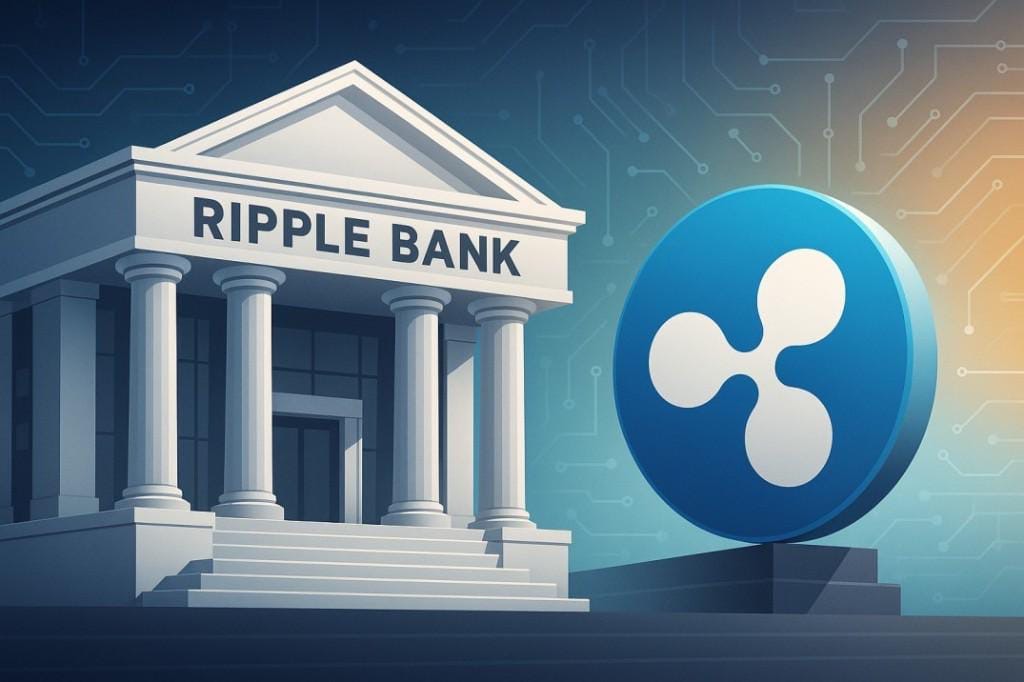
Away from the security concerns surrounding major crypto platforms, Ripple has secured final approval from the United States Office of the Comptroller of the Currency (OCC) to establish Ripple National Trust Bank.
The approval is a significant step in Ripple's efforts to bring parts of its digital asset operations under federal banking supervision.
The proposed trust bank is expected to manage segregated reserves backing Ripple's stablecoin, RLUSD, serve as a collateral trustee for RLUSD holders and provide fiduciary digital asset custody services.
However, the approval does not make Ripple a conventional commercial bank. Its authorised activities are focused on trust and custody services rather than offering the full range of retail banking services.
Ripple has also clarified that RLUSD will continue to be issued by Standard Custody & Trust Company, which is regulated by the New York State Department of Financial Services. The new approval provides an additional layer of federal oversight for specified activities connected to the stablecoin.
The development reflects the growing relationship between traditional financial regulation and the digital asset industry, as crypto companies seek clearer regulatory structures for services involving stablecoins, custody and financial infrastructure.
Security, Trust and Regulation Remain Central to Crypto's Growth
Taken together, the three developments highlight different pressures shaping the cryptocurrency industry.
Binance's recovery efforts demonstrate the financial and operational consequences of large-scale security breaches. Coinbase's incident shows that protecting customer information requires attention beyond a company's internal systems, while Ripple's approval illustrates how digital asset firms are increasingly engaging with established financial regulators.
As the industry expands, security, transparency and regulatory accountability will remain important to building public confidence.
For users, the developments are also a reminder to pay attention to the platforms they use, protect their account information and understand how their digital assets are handled.
Crypto is moving into a new phase, where security, trust and regulation matter as much as innovation. Stay informed, make careful decisions and choose Monica to turn your crypto into everyday value when you need it.
Download the Monica app: https://monica.cash/app