The Wallet That Looked Safe Until Someone Tampered With It
A reported $91 million crypto drain linked to devices sold through Southeast Asian reseller CryptoBilis has exposed a weakness many users overlook. Even a wallet designed to protect digital assets can be put at risk when the device or its recovery process is compromised.
A crypto wallet can be designed to keep hackers out and still leave its owner exposed if the device has been tampered with before it reaches them.
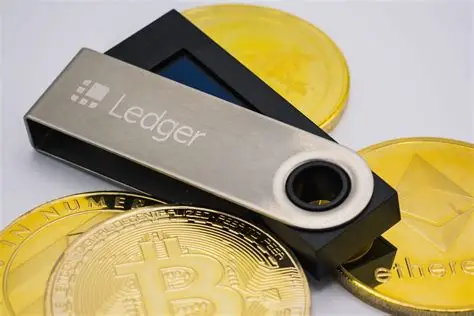
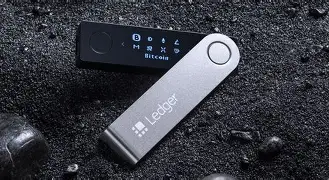
That possibility has come into sharp focus following a cryptocurrency drain estimated at $91 million, linked to hardware wallets sold through Southeast Asian reseller CryptoBilis. Ledger, the manufacturer of the affected devices, says all confirmed theft cases related to the October 9 incident so far involve devices sold through the reseller.
The company also confirmed that at least one affected customer's device contained an unauthorised hardware implant. It has not established that the implant caused every reported loss, and the $91 million figure comes from blockchain investigators rather than a final loss total confirmed by Ledger.
This was not reported as a breach of Ledger's internal systems. Instead, the investigation points to a potential supply-chain compromise, in which a device can be altered somewhere between its manufacture and its arrival in a customer's hands.
For crypto users, the incident raises an uncomfortable question: how safe is a wallet if the process of setting it up can expose the information needed to access its funds?
The recovery phrase is the real prize
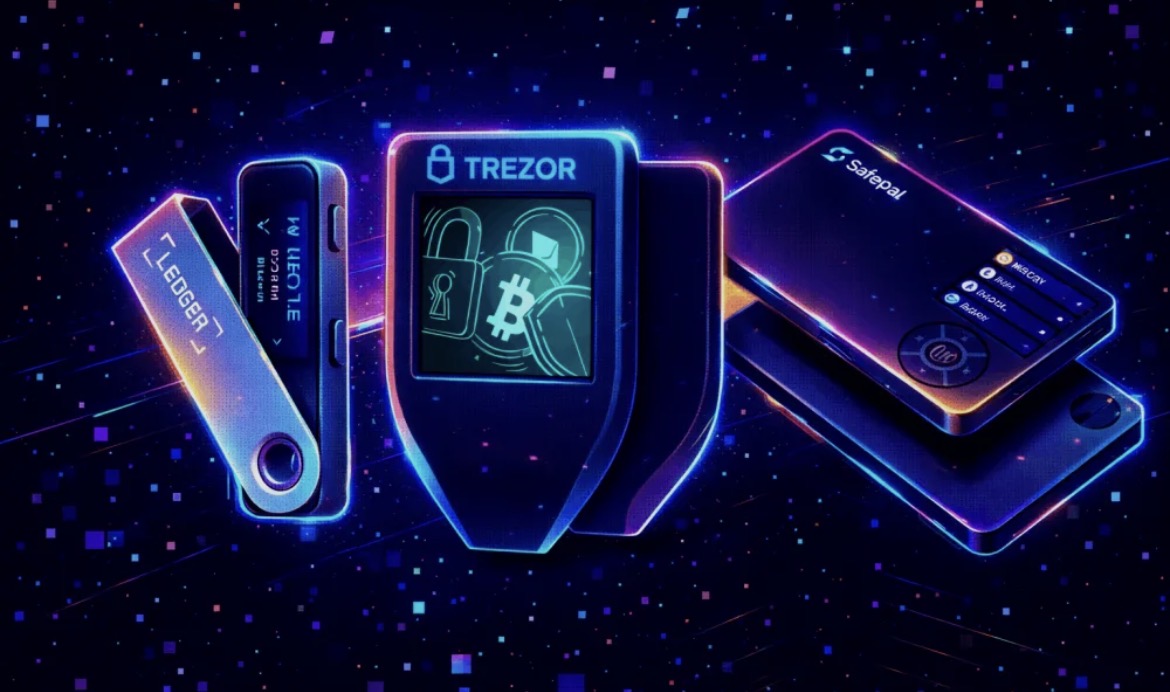
Hardware wallets are designed to keep private keys isolated from internet-connected devices, reducing certain risks associated with malware and online attacks. But the device is only one part of the security arrangement.
Most hardware wallets use a recovery phrase, often consisting of 12 or 24 words, to restore access to a wallet. Anyone who obtains that phrase may be able to recreate the wallet elsewhere and move its assets without possessing the original physical device.
That is what makes the Ledger incident particularly concerning. Reports indicate that the unauthorised hardware was designed to capture recovery phrases during setup. If the phrase is exposed, the security protections of the original device may no longer be enough to protect the funds.
Changing a device's PIN or replacing the physical wallet does not solve the problem if the recovery phrase remains compromised. The attacker may still be able to access the same wallet using the exposed phrase.
The lesson is simple: protecting a crypto wallet means protecting the information that controls access to its assets, not just protecting the device itself.
Five habits that can help protect your crypto
1. Be careful where you buy your wallet
Purchase hardware wallets directly from the manufacturer or through distribution channels it officially recognises. Be cautious with unknown sellers, unusually cheap offers and second-hand devices with uncertain histories.
The CryptoBilis investigation shows that buyers should consider a device's supply chain, not just its brand. Buying through a recognised channel reduces risk, although no single precaution can guarantee that a device has never been tampered with.
2. Keep your recovery phrase private
Never share your recovery phrase with someone claiming to be customer support, and never send it through WhatsApp, email or social media. Avoid entering it into websites or apps unless you are following a legitimate recovery process that you have independently verified.
Anyone with the complete phrase may be able to gain control of the associated assets. Treat it as the master key to your crypto holdings.
3. Verify a device before setting it up
Follow the manufacturer's official setup instructions and pay attention to warnings about the device's source or condition. Do not initialise a device whose history is uncertain or that has been identified in a security advisory.
A device looking new or passing an authenticity check should not automatically be treated as proof that its entire supply chain is secure. Some checks verify specific security components, not every possible physical modification.
4. Think before approving a transaction
Not every wallet attack involves a compromised physical device. Malicious websites and decentralised applications can trick users into signing transactions or granting token-spending permissions they do not fully understand.
Check the website, network, recipient and transaction details before approving anything. Where appropriate, review and revoke unnecessary token allowances using reputable tools. Remember that revoking a permission does not reverse a transaction that has already taken place.
5. Know what to do if your recovery phrase is exposed
If you suspect that your recovery phrase has been compromised, do not assume that disconnecting the device is enough. Follow the manufacturer's security guidance and move the assets to a newly created wallet with a fresh recovery phrase generated on a trusted device.
For users affected by the CryptoBilis incident, Ledger has advised moving funds to a new Ledger device configured with a fresh recovery phrase. Anyone with an unused device from the affected reseller should follow Ledger's official instructions rather than initialise it.
Keep the new recovery phrase private and store it securely. Simply moving to another device while retaining the potentially exposed phrase would leave the underlying vulnerability unresolved.
A good wallet cannot eliminate every risk
The search for the best crypto wallet often centres on security features, supported assets, convenience and reputation. Those factors matter, but they do not tell the entire story.
Hardware wallets can reduce certain online threats, while software wallets offer different levels of convenience and exposure. Neither category is immune to every form of attack. Poor backup practices, malicious transaction approvals, compromised recovery phrases and tampered devices can all put digital assets at risk.
The Ledger incident should not be interpreted as proof that every Ledger device is unsafe. The confirmed cases reported so far are linked to devices sold through CryptoBilis, and Ledger has said its systems and direct sales channels remain unaffected. The investigation is ongoing, and the full scope of the incident has not been conclusively established.
What the case demonstrates is that security extends beyond the product itself. Where a wallet comes from, how it is set up, how its recovery phrase is handled and how users respond to warnings all matter.
When your crypto needs to become naira
Keeping cryptocurrency secure is one part of managing digital assets. Converting those assets into money for everyday expenses is another, and the two tasks should not be confused.
A wallet helps users manage access to cryptocurrency. A conversion service enables them to exchange supported digital assets for conventional currency.
When you need to convert supported cryptocurrency into naira, Monica provides a straightforward way to make that conversion. Use the right tool for the task, understand the risks involved and maintain good security practices throughout your crypto journey.
Because owning crypto is one thing. Knowing how to protect it, manage it and convert it when you need naira is what makes the difference. Click Here https://monica.cash/app to download