Best Crypto Wallets in 2026: Top Picks for Security, Low Fees and Multi-Chain Access
From hardware devices designed to keep private keys offline to mobile wallets built for everyday transactions, crypto users have more options than ever. But the best wallet depends on how you use digital assets, the networks you need and the level of security you want.
Choosing a crypto wallet in 2026 involves more than finding one that supports Bitcoin or Ethereum. Fees, private-key protection, blockchain compatibility, recovery options and access to decentralised applications all influence how useful a wallet will be.
Two recent industry reviews illustrate the differences. Yahoo Finance, in its August 12, 2026, review, selected Ledger as its best hardware wallet and Trust Wallet as its top software wallet. Forbes Advisor’s 2026 comparison, meanwhile, named Exodus its best overall hot wallet and SafePal S1 Pro its leading cold-storage option.
The differing results highlight an important point: there is no single wallet that is best for every crypto user. A long-term investor may prioritise offline security, while an active trader may need fast access to decentralised exchanges, multiple blockchain networks and transparent transaction fees.
Here are the leading options and what users should consider before choosing one.
1. Ledger: Best for Hardware Security
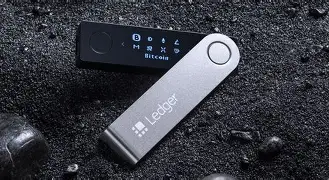
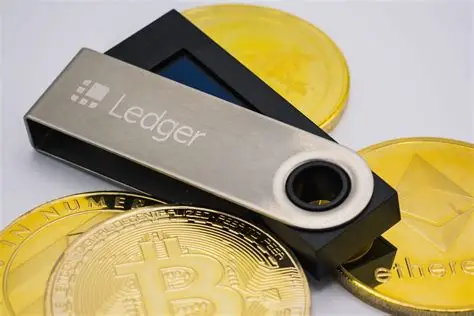
Ledger remains a prominent option for users who want to protect their crypto holdings with a physical device. Its hardware wallets are designed to keep private keys isolated from internet-connected phones and computers, requiring users to approve transactions on the device.
Yahoo Finance ranked Ledger first among hardware wallets in its 2026 review, highlighting its security architecture, support for more than 90 blockchains and compatibility with thousands of digital assets.
The Ledger ecosystem also supports features such as staking and non-fungible token management through compatible applications. However, users should distinguish the cost of the hardware device from transaction expenses. Network charges and fees imposed by third-party swap providers may still apply even when a wallet advertises no service fee.
Best for: Long-term holders who want a hardware-based security layer and broad asset support.
Consider: The initial purchase cost, recovery procedures, compatibility with intended assets and the reliability of the seller. A hardware wallet can reduce exposure to online attacks, but it cannot protect users who disclose their recovery phrase or approve malicious transactions.
2. Trust Wallet: Best for Mobile Users
Trust Wallet is a mobile-focused, self-custody wallet that supports a wide range of cryptocurrencies and blockchain networks. It is particularly useful for people who manage digital assets on their phones and want access to transfers, token management and decentralised applications without relying on a traditional exchange account for custody.
Yahoo Finance rated Trust Wallet 4.9 out of five in its comparison, citing its extensive asset coverage, mobile accessibility and lack of an additional wallet service fee on swaps. That does not mean every transaction is free: network gas charges and third-party provider fees may still apply.
The wallet also provides security tools and has published information about independent audits and vulnerability reporting on its official security page.
However, a large user base and extensive token support should not be confused with a guarantee of safety. Users should verify token contracts, check network compatibility and avoid connecting their wallets to unfamiliar websites.
Best for: Mobile users who need a versatile wallet for everyday crypto management.
Consider: The limitations of mobile-only workflows, the fees associated with particular transactions and the risks of phishing, malicious tokens and compromised devices.
3. MetaMask: Best for Ethereum and Decentralised Finance
MetaMask is a major gateway to Ethereum-based applications and decentralised finance (DeFi). It allows users to connect to compatible applications for activities such as token swaps, lending, borrowing and other blockchain-based services.
Yahoo Finance gave MetaMask a 4.9 out of five rating, highlighting its extensive network compatibility and integration with hardware wallets. Forbes Advisor also identified it as a leading option for users focused on Ethereum.
MetaMask's appeal lies in its broad application ecosystem rather than simply the number of tokens it supports. Developers and DeFi users can interact with compatible smart contracts and decentralised applications through its browser extension or mobile app.
Costs deserve attention, particularly for frequent traders. Yahoo Finance listed a 0.875% service fee for MetaMask swaps. Actual transaction costs can also include network fees and other charges, depending on the route and service used.
Best for: Ethereum users, DeFi participants and people who regularly interact with Web3 applications.
Consider: Swap costs, network compatibility and the risks of signing transactions without understanding the permissions being granted.
4. Exodus: Best for Desktop and Cross-Platform Use
Exodus is designed for users who want to manage digital assets through a visual interface across desktop and mobile devices. Its portfolio tools, transaction features and support for multiple cryptocurrencies make it an option for people who prefer managing their holdings from a computer rather than relying entirely on a phone.
Forbes Advisor ranked Exodus as its best overall hot wallet in its 2026 comparison, while Yahoo Finance included it among its leading options for desktop users.
Exodus offers built-in swaps, portfolio tracking and hardware-wallet integration with compatible devices. This combination can appeal to users who want the convenience of a software interface alongside an additional layer of hardware protection.
The main trade-offs include swap pricing, which may vary with the transaction, and limited transparency compared with wallets whose core software is fully open-source.
Best for: Desktop users who value a straightforward interface and cross-platform access.
Consider: The full swap quote rather than an advertised starting fee, as well as the availability of the particular features and integrations you intend to use.
5. SafePal: Best Budget-Friendly Hardware Wallet
SafePal offers software and hardware wallet products, including the S1 device, which uses QR codes to sign transactions without requiring a direct wired or wireless connection to the internet-connected device.
Its approach makes it an option for users seeking a physical wallet without paying for some of the more expensive hardware models on the market.
Yahoo Finance highlighted SafePal for its comparatively low swap fee and hardware-storage options. Forbes Advisor selected the SafePal S1 Pro as its leading cold-storage wallet in its 2026 comparison, citing its offline design and broad asset support.
The difference between the models matters. Buyers should check the exact device, supported networks, connectivity and security features rather than assuming every SafePal product offers the same configuration.
Best for: Users looking for a relatively affordable entry into hardware-based self-custody.
Consider: Device authenticity, recovery procedures, supported assets and whether the QR-based transaction process suits your needs.
6. Base App: Best for Users in the Coinbase Ecosystem
Base App, referred to as Base in Yahoo Finance's August review, offers self-custody features alongside access to blockchain applications and supported digital assets.
Its appeal includes integration with the broader Coinbase ecosystem and access to features such as token swaps and non-fungible tokens. Users should nevertheless distinguish a self-custody wallet from a centralised exchange account: the two arrangements can have different account controls, recovery processes and security responsibilities.
Yahoo Finance rated Base 4.8 out of five, highlighting its network coverage and integration with Coinbase services.
Swap fees can reach 1%, according to the publication, although actual charges depend on the transaction. Users should review the quote before confirming a swap and verify the current product name and supported features in their region.
Best for: Users who want self-custody alongside convenient access to compatible Coinbase services.
Consider: Regional availability, transaction fees and the difference between assets held in a wallet and assets held through a centralised exchange.
7. Bitget Wallet: Best for Active Traders and NFTs
Bitget Wallet is geared towards users who want token discovery, market information, swaps and access to decentralised applications within one interface.
Yahoo Finance highlighted its support for more than 130 blockchain networks, built-in NFT tools and trading-oriented features. Its multi-chain approach can be useful for people who move between different ecosystems rather than concentrating on one blockchain.
However, the cost of a swap may depend on the transaction and routing provider. Users should examine the final quote, including applicable network charges, before proceeding.
Active traders should also remember that easier access to newly launched tokens can increase exposure to scams, low-liquidity markets and sharp price movements.
Best for: Experienced users who regularly explore different blockchain networks and NFT markets.
Consider: Fee transparency, token legitimacy, liquidity and whether the wallet supports your preferred hardware device.
8. Zengo: An Alternative for Users Who Prefer Seedless Recovery
Zengo offers a different approach to wallet security through multiparty computation (MPC), a cryptographic method that distributes key-related operations rather than relying on a conventional single private key stored as one complete secret.
Forbes Advisor included Zengo among its leading software-wallet options for beginners in its 2026 review. Its seedless approach may appeal to people who find traditional recovery phrases difficult to manage.
However, seedless does not mean risk-free. Users should understand how account recovery works, what services the wallet provider must support and what happens if they lose access to their device or recovery methods.
Best for: Beginners who want an alternative to conventional seed-phrase management.
Consider: Recovery arrangements, supported networks, subscription options and transaction costs.
9. Rabby Wallet: Worth Considering for DeFi Users
Rabby Wallet is another option for users who regularly interact with decentralised applications, particularly across Ethereum-compatible networks. It is designed around transaction visibility and helps users review the network and assets involved before approving an action.
The Block's October 8, 2026, review named Rabby its best software wallet overall, giving it a score of 4.5. This differs from Yahoo Finance's and Forbes Advisor's selections, reinforcing the importance of comparing wallets according to their intended use rather than relying on one publication's winner.
Best for: DeFi users who want transaction-preview features and compatibility with Ethereum-based applications.
Consider: Supported networks, browser-extension security, recovery options and whether the wallet fits your existing workflow.
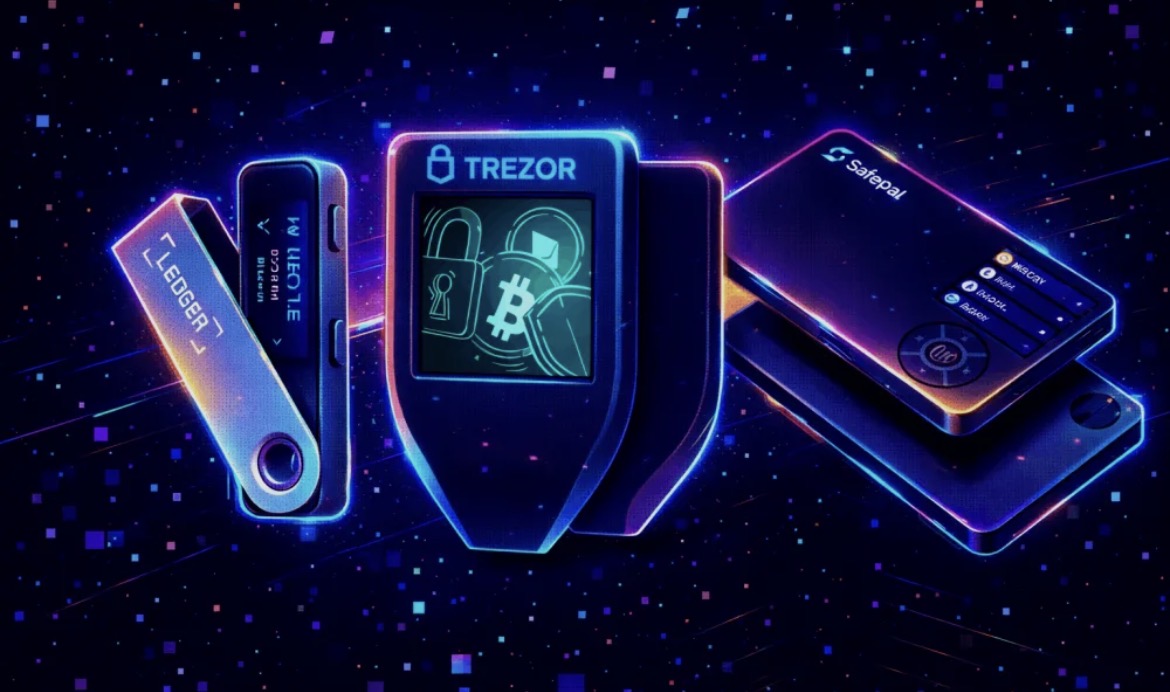
10. Trezor Safe 3 and Safe 7: Alternatives for Cold Storage
Trezor is another hardware-wallet provider worth considering, particularly for users who value open-source software and control over their private keys.
Trezor Safe 3 offers an entry point into hardware-based storage, while the newer Safe 7 appeared in The Block's October 2026 comparison, where it was named the publication's best hardware wallet. The Block's assessment differs from Yahoo Finance's selection of Ledger, demonstrating that hardware-wallet rankings depend on the criteria used.
Users comparing Ledger and Trezor should consider supported cryptocurrencies, security architecture, backup options, ease of use and compatibility with the applications they intend to access.
Best for: Users who want physical-device security and are comparing different approaches to hardware-wallet design.
Consider: The specific model's supported assets, purchase price, recovery process and whether you are buying directly from an authorised source.
What to Check Before Choosing a Crypto Wallet
Before installing an app or purchasing a hardware device, evaluate the following:
1. Custody and private-key control: Understand whether you control the keys yourself or a service provider controls them on your behalf. Self-custody offers greater direct control but also places more responsibility on the user.
2. Supported networks and assets: A wallet that supports Bitcoin may not support every token or network you use. Check the exact blockchain and asset before transferring funds.
3. Total transaction costs: A wallet advertising zero service fees may still involve network fees, third-party charges, swap spreads or bridge fees. Compare the final transaction quote rather than one advertised percentage.
4. Recovery options: Understand how to restore access if your phone, computer or hardware wallet is lost or damaged. Keep recovery information private and secure.
5. Security transparency: Look for independently published audits, vulnerability-disclosure programmes, clear security documentation and a record of how the provider responds to incidents.
6. Application permissions: Before connecting to a decentralised application, check the website address and read the transaction details. Avoid signing requests you do not understand.
7. Authenticity and updates: Download software from official sources. Purchase hardware from the manufacturer or a verified authorised seller, and follow the manufacturer's instructions for initial setup and firmware updates.
Final Verdict
There is no universal winner among crypto wallets in 2026. Ledger and Trezor are worth comparing for hardware-based protection; Trust Wallet offers broad mobile access; MetaMask and Rabby serve users who regularly interact with decentralised applications; and Exodus appeals to people who prefer desktop management.
SafePal provides another hardware-storage option, while Zengo offers an alternative recovery model for users who want to avoid relying on a traditional seed phrase.
The most suitable choice is the one that supports your assets, fits your transaction habits, makes its costs clear and provides a recovery process you can manage securely. Before moving a significant amount of cryptocurrency, test the setup with a small transaction and confirm that you understand how to restore access.
Choosing the right crypto wallet is only one part of managing your digital assets. When it is time to convert your crypto to naira for everyday expenses, Monica makes the process simple. From paying bills and subscriptions to buying airtime and data, you can turn your crypto into naira and put it to use when you need it.
Download Monica today https://monica.cash/app and experience a simpler way to convert crypto to Naira.