Your Liver Has Been Working Since the Day You Were Born and Most Nigerians Have Never Checked On It
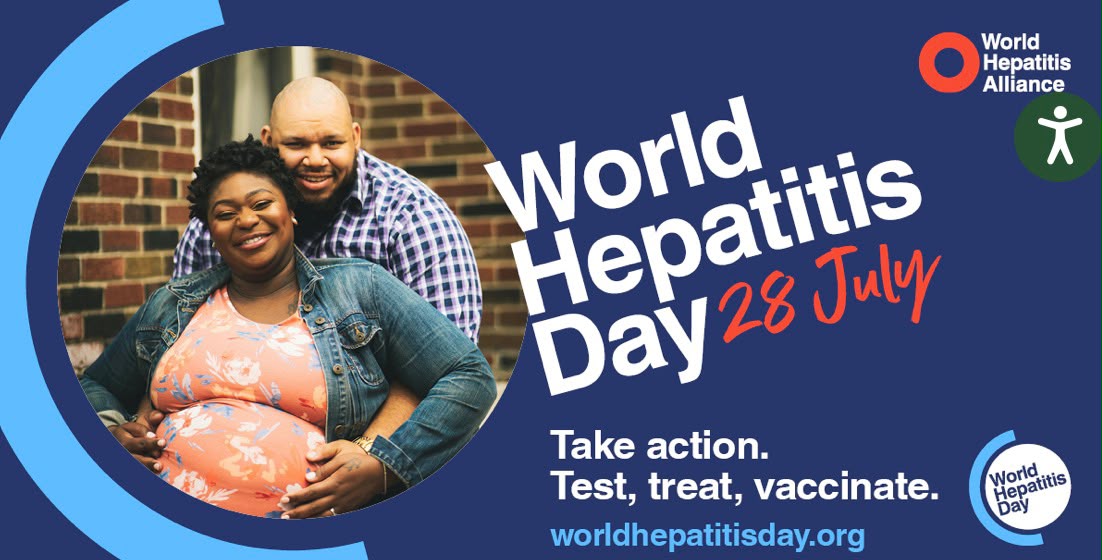
Today is World Hepatitis Day and the theme this year is Hepatitis: Let’s Break It Down, a call to remove every barrier standing between Nigerians and the information, testing and treatment that could save their lives.
There is an organ sitting quietly in your upper right abdomen that performs over 500 functions every single day, filtering your blood, producing proteins, metabolizing food, storing energy and processing every medication you have ever swallowed, and most people never think about it until something goes wrong.
That organ is your liver, and today July 28 2026, World Hepatitis Day, exists specifically because the disease most likely to destroy it is doing so silently in millions of Nigerian bodies right now without a single obvious warning sign.
Hepatitis B is 100 times more contagious than HIV, and Nigeria carries one of the heaviest hepatitis burdens in the world, with an estimated 20 million Nigerians living with chronic hepatitis B, representing approximately 8 to 10 percent of the entire population, a prevalence rate that the WHO classifies as highly endemic and that places Nigeria among the countries most urgently in need of scaled-up testing, vaccination and treatment access.
Globally the numbers are equally sobering, viral hepatitis affects nearly 300 million people worldwide with approximately 1.3 million deaths every year from hepatitis B and C alone, more than HIV claims annually, and millions of those 300 million people are living with the infection without knowing it, because hepatitis B and C can remain completely silent in the body for years, sometimes decades, before causing serious liver damage, cirrhosis or liver cancer.
That silence is the most dangerous thing about it.
Unlike malaria or typhoid, hepatitis does not announce itself with fever, vomiting or immediate discomfort in most cases, it moves quietly through the bloodstream, damaging liver cells gradually and invisibly until the damage is significant enough to produce symptoms, at which point the disease has often already progressed to a stage that is considerably harder to manage, which is why the WHO’s 2026 World Hepatitis Day theme, Hepatitis: Let’s Break It Down, is specifically a call to remove the financial, social and health system barriers, including stigma and misinformation, that prevent people from getting tested and treated before the damage becomes irreversible.
Understanding how hepatitis B spreads in Nigeria matters because the routes of transmission are specific, preventable and in many cases entirely ordinary, mother to child during childbirth, which is the primary route of transmission in Nigeria and the reason childhood vaccination matters so profoundly, contact with infected blood through shared needles, unsterilized medical or dental equipment, blood transfusions without proper screening, shared hair clippers, nail cutters or razors, tattooing with unsterilized equipment and unprotected sexual contact, meaning the virus travels through pathways that intersect with daily Nigerian life in ways that most people do not connect to liver disease.
The good news, and there is genuine good news here, is that hepatitis B is vaccine-preventable, meaning children vaccinated at birth and in early infancy are protected against the virus entirely, and global childhood hepatitis B vaccination programmes have averted over 22 million deaths since 1990, a figure that demonstrates just how powerful the intervention is when it reaches the people who need it.
For adults who were not vaccinated in childhood the picture is more complex but not hopeless, because while there is currently no cure for chronic hepatitis B there are antiviral treatments that suppress the virus, protect the liver from further damage and significantly reduce the risk of cirrhosis and liver cancer, and hepatitis C, unlike hepatitis B, is now curable in over 95 percent of cases with direct-acting antiviral medications that are shorter in duration and better tolerated than older treatment regimens.
What all of this requires first is knowledge, and knowledge requires testing, and testing requires the willingness to find out, which is where today’s awareness campaign and events like the free outreach happening at Pharmamall Pharmacy in Isolo, Lagos, offering free hepatitis tests, blood pressure checks and blood sugar screenings, become genuinely life-saving rather than merely informational.
Knowing your hepatitis status is the first step to stopping liver cancer and protecting your long-term health, and for the estimated millions of Nigerians currently living with chronic hepatitis B without knowing it, that first step is the difference between catching a manageable condition early and discovering an advanced one too late.
Today is the day to take it.
Your health and your finances are the two things you cannot afford to neglect. Monica keeps your money moving, so you have one less thing to stress about while you focus on what matters most.
Take care of your health today, Let Monica take care of your money.
Click Here to Download: https://monica.cash/app