You Want Nigerian Users: Nigeria Wants Your CEO
A ₦30 million registration fee, ₦2 billion in capital, A CEO who must live in Nigeria, And a deadline of September 3 for the world to respond. Nigeria's SEC just published the most consequential crypto regulatory proposal in the country's history.
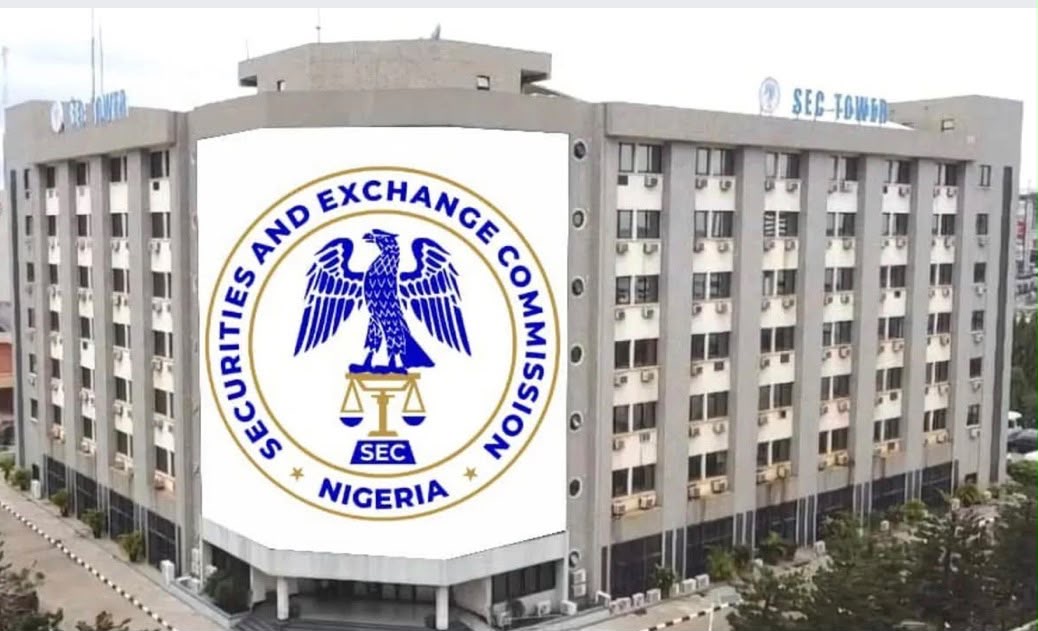
The message from Nigeria's Securities and Exchange Commission, published on August 20 2026 and currently sitting in a two-week public comment window that closes September 3, could not be clearer if it had been written in capital letters across every crypto exchange's homepage.
You want Nigerian users? Play by Nigerian rules. All of them.
The document titled Proposed Rules on Digital and Virtual Asset Operations, Custody and Markets is not a gentle nudge toward compliance. It is a comprehensive prudential framework that would bring every crypto business operating in Nigeria, serving Nigerian residents or targeting Nigerian investors through any digital channel under the SEC's full licensing regime, regardless of where in the world that business is physically located.
The extraterritorial reach is the first thing worth understanding.
A digital asset business operating in Nigeria or targeting residents would need SEC registration, approval or authorisation under the proposed rule text.</cite> That means a crypto exchange headquartered in Dubai, London or San Francisco that runs advertising targeting Nigerian users, maintains a Nigerian-language interface or simply allows Nigerian phone numbers to register is not exempt from these rules by virtue of being offshore. It falls within scope, and the compliance requirements it would face are substantial.
Here is what those requirements look like in practice.
Digital asset exchanges and custodians would need minimum capital of ₦2 billion, approximately $1.41 million at current exchange rates, while digital asset platform operators, offering platforms and real-world asset tokenisation platforms would face a ₦500 million threshold and virtual asset service providers would need ₦200 million. Every applicant across all categories would pay a ₦30 million registration fee, a ₦300,000 application fee and a ₦100,000 processing fee before a single licence is granted.
The residency requirement is the provision that has generated the most international attention since the proposal's publication.
An entity seeking registration would, unless otherwise approved by the SEC, be required to incorporate in Nigeria, maintain a registered office in the country and ensure that its Chief Executive Officer, Managing Director or equivalent principal officer is resident in Nigeria. That carve-out, the "unless otherwise approved" language, gives the regulator discretion to grant exceptions, but it also means that the default position is a CEO on Nigerian soil, and any operator seeking exemption from that requirement is asking the SEC for a favour rather than exercising a right.
For foreign platforms the implications compound quickly. If a platform does business in Nigeria, provides services to Nigerians or aims marketing or products at the Nigerian market, it would need registration and in practice most providers would need to either incorporate locally or convince the regulator they qualify for an exception. Custodians face an additional requirement that 80 percent of customer assets be held in cold storage, alongside insurance bonds, transaction data reporting obligations and governance standards that include ring-fencing customer assets from company funds and prohibiting related-party custody arrangements unless conducted through a separately incorporated and regulated custodian.
The stablecoin provisions add another layer. Foreign stablecoin issuers must appoint a local representative, demonstrate authorisation in an acceptable foreign jurisdiction and comply with Nigeria-specific reserve, liquidity and redemption conditions, requirements that reflect the SEC's awareness that stablecoins have become the dominant vehicle for Nigerian crypto activity and that the regulatory framework for them needs specific provisions rather than being absorbed into the general exchange rules.
Retail investors would also face a new constraint: a ₦10 million annual cap on crypto offerings, approximately $7,400 at current rates, a threshold designed to limit retail exposure to higher-risk digital asset products while leaving institutional and sophisticated investor access comparatively unrestricted.
The SEC has also admitted three additional virtual asset service providers into its ARIP regulatory sandbox since the draft was published, bringing the total number of crypto firms in the sandbox to 14, a signal that the regulator is simultaneously building the pipeline of compliant operators it expects these rules to produce.
Industry analysts have offered mixed assessments of the proposal's likely impact. Fintech analyst Olumide Adeyemi noted that stronger capital requirements could help distinguish well-funded operators from poorly capitalised platforms, improving the overall quality of the ecosystem, while others have warned that excessive compliance costs could force smaller operators out of the formal sector and into the informal peer-to-peer market that Nigeria's regulators have historically found difficult to monitor or control.
Nigeria is one of the largest crypto markets on the continent by volume and user count, so walking away is not a simple call for any serious operator, but smaller offshore platforms might decide the Nigerian market is not worth the overhead while larger ones with existing Africa strategies would probably push through with time and money to restructure.
These are proposals, not law. The September 3 comment window is the only point in the process at which the numbers, the requirements and the scope can be influenced before they harden into binding rules, and the industry's engagement with that comment process will shape whether the framework that emerges is one that attracts serious operators or one that pushes activity underground.
Nigeria built Africa's largest crypto market without a comprehensive regulatory framework. Now it is building the framework and asking the world whether it wants to be part of what comes next.
September 3 is when the world has to answer.
Monica is SEC-compliant, fully registered and built to operate within Nigeria's regulatory framework as it evolves. Your crypto converts to naira on a platform the regulator knows by name.
Compliant. Trusted. Always here. That's Monica👉https://monica.cash/app