Why Everyone Suddenly Wants a Side Hustle
Having a second source of income used to sound like ambition. For many Nigerians today, it increasingly sounds like common sense. But behind the side hustle culture is a bigger question: are people building wealth or simply trying to keep up?

There was a time when having a job was supposed to be the plan.
You went to school, got a job, received your salary at the end of the month and figured out the rest from there.
That plan has become harder to defend.
Today, someone can have a full-time job and still sell perfumes on Instagram. A banker can run a food business on weekends. A teacher can take freelance writing jobs at night. A designer can work a nine-to-five and still spend evenings creating logos for clients. A content creator can have a brand partnership, a small online store and a regular job at the same time.
Nobody finds it particularly strange anymore.
In fact, the stranger question may now be: “You have only one source of income?”
The side hustle is no longer just a hustle
Nigeria’s labour market has always had a strong entrepreneurial and informal side. But the modern side hustle has taken on a different meaning.
It is no longer simply about wanting extra money for a new phone, a holiday or a little luxury. For some workers, the additional income is helping to cover groceries, transport, rent, school fees, family responsibilities and the endless small expenses that can quickly consume a monthly salary.
Recent National Bureau of Statistics labour-force data illustrates just how common multiple income-generating activities are. In the NBS survey data for Q2 2024, 32.5 percent of the respondents recorded more than one job or income-generating activity, compared with 26.2 percent in the corresponding Q2 2023 data.
The figures should not be read as saying that exactly one-third of all Nigerian workers have side hustles. The NBS data page itself cautions that the displayed cases are not population-level summary statistics. But the trend is still revealing: earning from more than one activity is far from unusual.
And the reasons are not difficult to understand.
Nigeria’s workers have spent years navigating rising living costs and pressure on purchasing power. In 2026, labour discussions continue to centre on the widening gap between wages and the cost of living.
So the side hustle is sometimes ambition.
Sometimes it is survival.
Most times, it is both.
When one salary starts feeling too small
There is something psychologically different about earning a salary that covers your needs comfortably and earning one that disappears before the month does.
The first gives you room to plan.
The second makes you start calculating.
Transport on Monday, Food on Tuesday, Data, Electricity, Rent, Family obligations, An unexpected medical bill, A friend’s wedding, A birthday, A leaking tap and, Another trip across Lagos because something came up at work.
Then payday arrives again.
For many people, the side hustle becomes the breathing space between one salary and the next.
A 2025 report by TheCable followed young Nigerians combining traditional employment with businesses, technology, content creation and other ventures because their primary income was not enough to keep up with their needs.
That tells us something important about the side hustle economy.
People are not necessarily obsessed with working.
They are obsessed with having enough.
But there is another side to the hustle
The side hustle culture can be empowering.
It allows people to monetise skills that their primary jobs may not recognise. A person who writes at work can write for clients after hours. Someone who knows how to bake can turn weekend orders into additional income. A photographer can accept jobs outside their regular employment.
Over time, that small income stream can become a business.
But there is also a danger in turning constant work into a personality.
Social media has made hustle culture look glamorous. Someone is always posting about another client, another order, another business launch or another “six-figure month.”
The internet rarely shows the other part.
The late nights.
The missed weekends.
The unanswered messages.
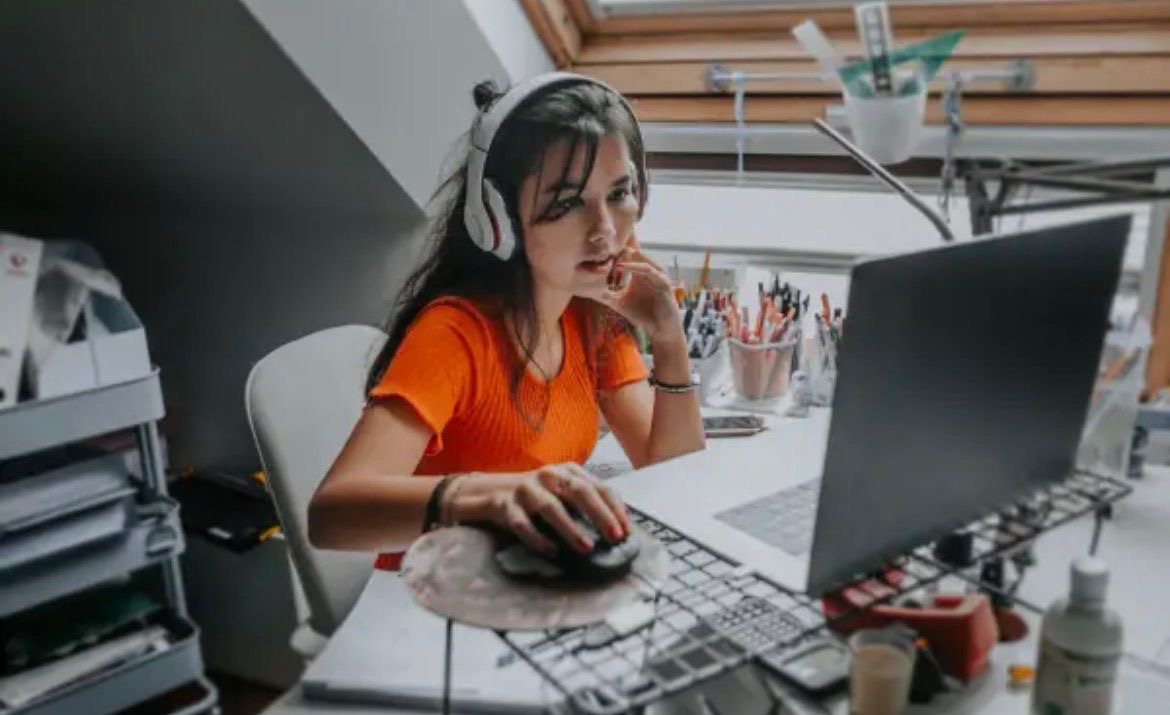
The exhaustion of working a full-time job and then opening your laptop again at 10 p.m.
The side hustle can give you financial freedom, but it can also quietly take away your time.
And if every free hour has to be monetised, when exactly do you get to live?
The pressure to have multiple streams
There is also a new kind of social pressure around income.
People hear “multiple streams of income” so often that having only one job can begin to feel irresponsible.
But not everyone needs five businesses.
A side hustle should solve a problem, not create another one.
If your additional income is helping you build an emergency fund, pay down debt, invest, learn a new skill or create a path toward independence, it can be valuable.
If it is forcing you to work 18 hours a day just to maintain an image of success, perhaps the numbers need another look.
The goal should not simply be more income.
It should be more financial room.
The internet has changed what can be monetised
One reason side hustles feel more visible today is that technology has made it easier to turn skills, audiences and digital connections into income.
A phone can now be a shop, office, studio, classroom and marketing department.
Someone can sell a product on Instagram, teach through WhatsApp, find freelance clients online, create content for brands or receive payments from international clients.
For Nigerian creators and remote workers, cryptocurrency has also become part of this changing income landscape. Monica, for instance, supports users who receive crypto earnings and need to convert assets such as USDT, BTC, ETH, TRX, USDC, BNB, BASE or SOL into naira.
That matters because the modern side hustle is no longer necessarily tied to a physical location.
Your client could be in Lagos.
Your employer could be in Abuja.
Your customer could be in London.
And your phone could be where all three conversations happen.
So, is the side hustle a choice or a necessity?
There is no single answer.
For one person, it is an entrepreneurial experiment.
For another, it is a way to save for a major goal.
For someone else, it is the only reason the monthly budget works.
And for another person, it is simply a passion that happens to make money.
Perhaps the real shift is that Nigerians are no longer putting all their financial hopes in one place.
The traditional idea was simple: get a good job and keep it.
The new reality is more complicated: keep your job, build your skill, create something, find another opportunity and make your money work harder where possible.
But there is one thing worth remembering.
You do not have to turn every hobby into a business.
You do not have to monetise every free hour.
And you do not have to be permanently exhausted to prove that you are ambitious.
The best side hustle should eventually give you something beyond another alert on your phone.
It should give you options.
Your money should move with your life
Whether your extra income comes from freelance work, content creation, a small business or crypto payments, managing that money matters just as much as earning it.
For Nigerians earning crypto from clients, digital work or other sources, Monica makes it possible to convert supported crypto directly to naira and receive the money in a Nigerian bank account, without going through a P2P marketplace.
Earn it. Manage it. Move it. Explore https://Monica.cash/app