THE RISE, THE HYPE AND THE HARD LANDING: WHAT HAPPENED TO NIGERIA’S FINTECH DREAM?
Nigeria Fintech boom is changing, explore the rise, funding squeeze, naia crisis, regulation and survival of companies shaping the fintech industry.
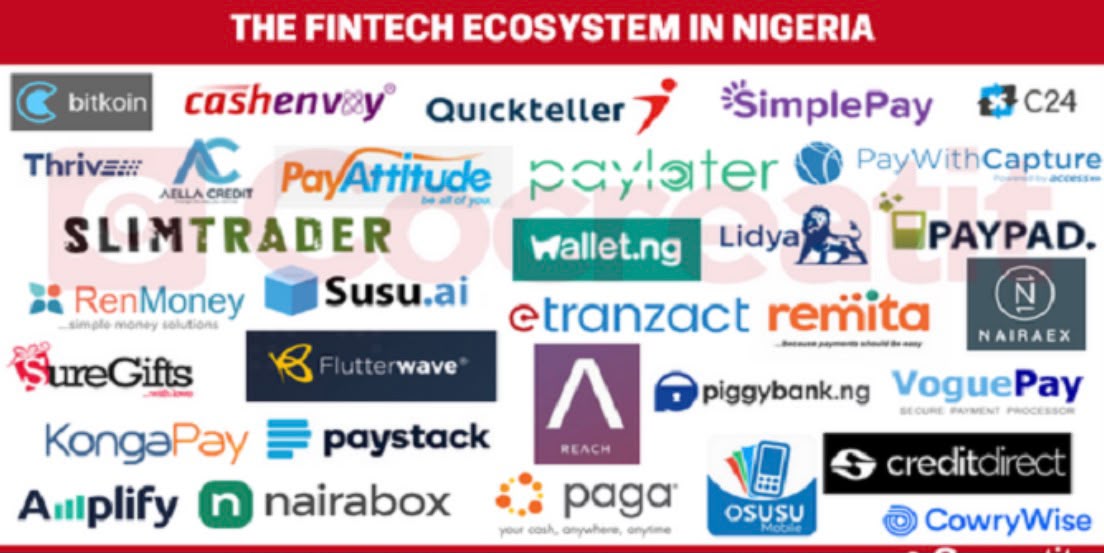
There was a time when saying you had a fintech startup in Nigeria almost sounded like saying you had discovered oil.
Investors were interested, Users were downloading apps, Payment platforms were everywhere. Companies were raising millions of dollars, announcing impressive valuations and promising to change how Nigerians moved, saved, borrowed and spent money.
Then the money became harder to find.
The Nigerian fintech story is not exactly one of collapse, It is more complicated than that. Some companies disappeared, some changed their business models, some struggled to raise another round, while the biggest players kept expanding.
What really happened was a correction. And it started after one of the biggest fintech booms Nigeria had ever seen.
WHEN EVERYONE WANTED A PIECE OF FINTECH
Nigeria had the perfect conditions for fintech to explode. A huge population, millions of people underserved by traditional financial institutions, widespread smartphone use and a growing appetite for digital payments created an enormous market for companies willing to solve everyday financial problems.
Fintech's began making things that once required bank branches, paperwork and long queues available through a phone.
- Send money? There was an app.
- Pay a bill? There was an app.
- Collect payments as a business? There was an app.
- Need access to credit? There was an app.
The pandemic accelerated this shift as more people moved towards digital transactions.
Then the investors arrived.
Between January and April 2022 alone, Nigerian technology startups raised about $678 million across 107 deals, representing a 137 per cent increase from the same period in 2021. Nigeria accounted for 31 per cent of the $2.2 billion raised by African technology companies during those four months.
The numbers were exciting, So were the valuations.
In 2022, Flutterwave raised $250 million in a Series D round, pushing its valuation above $3 billion and making it Africa's most valuable startup at the time.
OPay and other major players were also attracting huge investor interest. For a while, it looked like Nigerian fintech had found an endless supply of fuel. It hadn't.
THEN THE MONEY STARTED DISAPPEARING
The global technology market changed, Investors became more cautious, Interest rates rose globally, economic uncertainty increased and venture capital moved away from the aggressive growth-at-all-costs strategy that had dominated the previous years. Fintech was hit particularly hard.
Globally, fintech funding fell by half in 2023 to $39.2 billion, according to CB Insights and Nigeria felt the effect.
Nigerian startups had raised about $1.2 billion in 2022, but funding slowed dramatically in 2023. By November that year, Nigerian startups had raised less than $500 million, according to data cited by Nairametrics.
Suddenly, raising another round was no longer guaranteed.
And for startups that had built their businesses around rapid expansion and constant fundraising, that was a serious problem.
SOME COMPANIES COULD NOT SURVIVE THE FUNDING WINTER
This is where the phrase "fintech fall" begins to make sense.
Take Lazerpay, The Nigerian crypto payment startup shut down in April 2023 after failing to secure the funding it needed to continue operating. The company had already downsized its workforce months earlier, but the cuts were not enough to keep the business alive.
Lazerpay was not the only company facing pressure.
Dash, another Nigerian fintech, also shut down after struggling with its finances and business operations.
The lesson was becoming difficult to ignore: Having a brilliant idea was no longer enough. A company could have users, a beautiful application and an impressive pitch deck. If it could not build a sustainable business around those things, the next funding round might not come.
The era of "grow first, figure out profitability later" was becoming much harder to survive.
THEN THERE WAS THE NAIRA
Even companies that survived the funding squeeze had another problem to deal with: Nigeria's economy.
The naira's sharp depreciation and rising inflation increased the cost of running technology businesses.
Cloud services, software subscriptions, infrastructure, data and other expenses priced in foreign currencies became more expensive in naira terms.
For a company earning mostly in naira, the mathematics could become painful very quickly.
The same economy that made digital financial services necessary was also making it more expensive to operate them. And then came regulation.
THE REGULATORS WERE WATCHING TOO
Fintech is not an ordinary technology business, It handles people's money. That means the industry cannot operate entirely on the usual startup philosophy of "move fast and break things."
The Central Bank of Nigeria has continued to strengthen its oversight of payment service providers, including rules covering payment systems, agent banking, electronic payment channels, mobile money, open banking and other areas of financial technology.
Anti-money laundering and counter-terrorism financing requirements have also become increasingly important as regulators seek to protect the financial system.
For consumers, tighter regulation can be a good thing. For startups, however, compliance comes with costs.
Licenses, reporting requirements, cybersecurity, fraud prevention, customer protection and compliance teams all require money and expertise.
The bigger fintech companies may be able to absorb these costs. For a small startup still trying to find product-market fit, they can become another heavy weight.
BUT HERE IS THE TWIST: FINTECH DID NOT DIE
This is where the Nigerian fintech story becomes interesting. If fintech was truly dying, companies would not still be raising hundreds of millions of dollars.
In October 2024, Moniepoint raised $110 million in a funding round backed by investors including Google. The deal pushed the Nigerian fintech's valuation above $1 billion, giving it unicorn status. The company said it was processing more than 800 million transactions monthly at the time.
That tells us something important. The money did not completely disappear. The standards changed.
Investors became more interested in businesses that could demonstrate real transactions, strong revenue, sustainable operations and a clear path to profitability.
The question changed from: "How fast can this company grow?" to: "Can this company actually survive?" And that may be the most important phase of Nigeria's fintech story.
THE NEW FINTECH ERA
The first fintech boom was about disruption. The next phase is likely to be about durability.
Customers still want faster payments. Businesses still need better ways to collect money. Nigerians still need access to financial services. Digital transactions are not going away.
But the companies providing those services now have to deal with a more demanding reality;
- They need reliable technology.
- They need customer trust.
- They need strong fraud protection.
- They need regulatory compliance.
And, perhaps most importantly, they need a business model that can survive even when investors stop throwing money at them.
Nigeria's fintech industry is therefore not a story about a dream that failed. It is a story about a dream that grew up. The easy money is gone. The hype has cooled. Some names have disappeared. But the market itself is still very much alive. And for the fintech's that survive this chapter, the next big question will not be who can raise the most money. It will be who can earn the trust of the people using it every day.
YOUR MONEY SHOULD MOVE WITH YOU
From converting crypto to naira to paying bills, funding betting wallets, handling subscriptions and taking care of everyday payments, Monica brings multiple money moves into one place.
The fintech industry may be changing, but one thing is certain: Nigerians will always need simple, reliable ways to move their money.
Download the Monica app Here: https://monica.cash/app and make your everyday transactions easier.