THAT FRUIT MAY LOOK CLEAN, BUT SHOULD IT BE WASHED WITH DETERGENT?
Some fruit sellers use detergent when washing fresh produce, but is that extra “clean” actually safe to eat? Here’s what food-safety guidance says about washing fruits and what you should know before your next roadside fruit purchase.
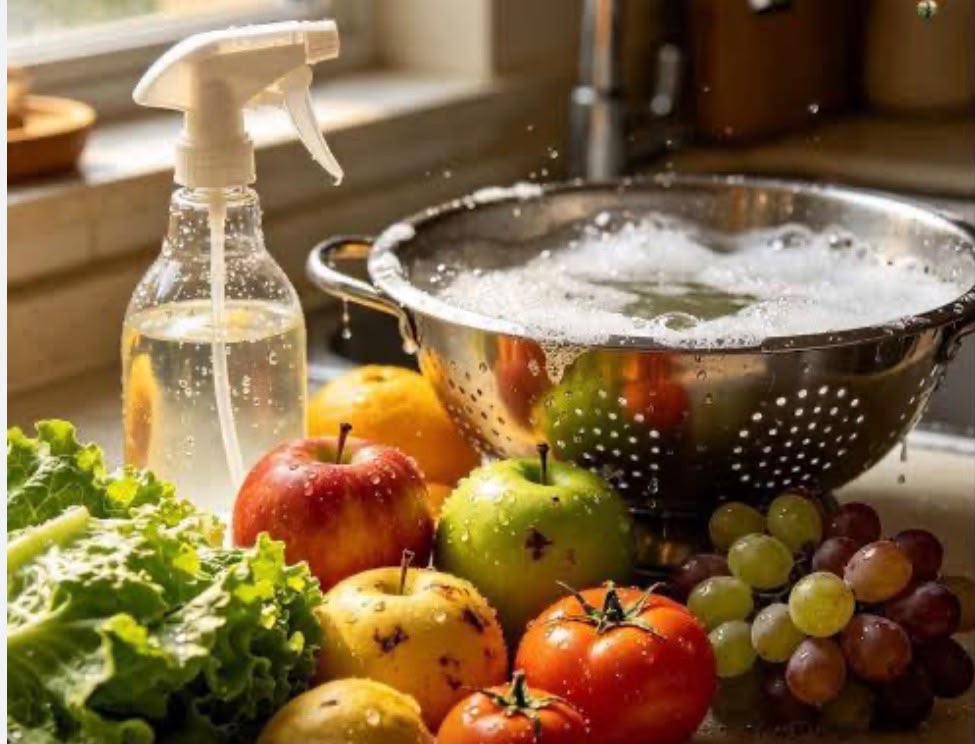
You are walking down the street, the afternoon is hot, and that neatly arranged bowl of watermelon, pineapple, cucumber or pawpaw suddenly looks like the perfect snack. The seller reaches for a bowl of water, washes the fruit and serves it up.
Clean enough, right? But there is a detail worth paying attention to.
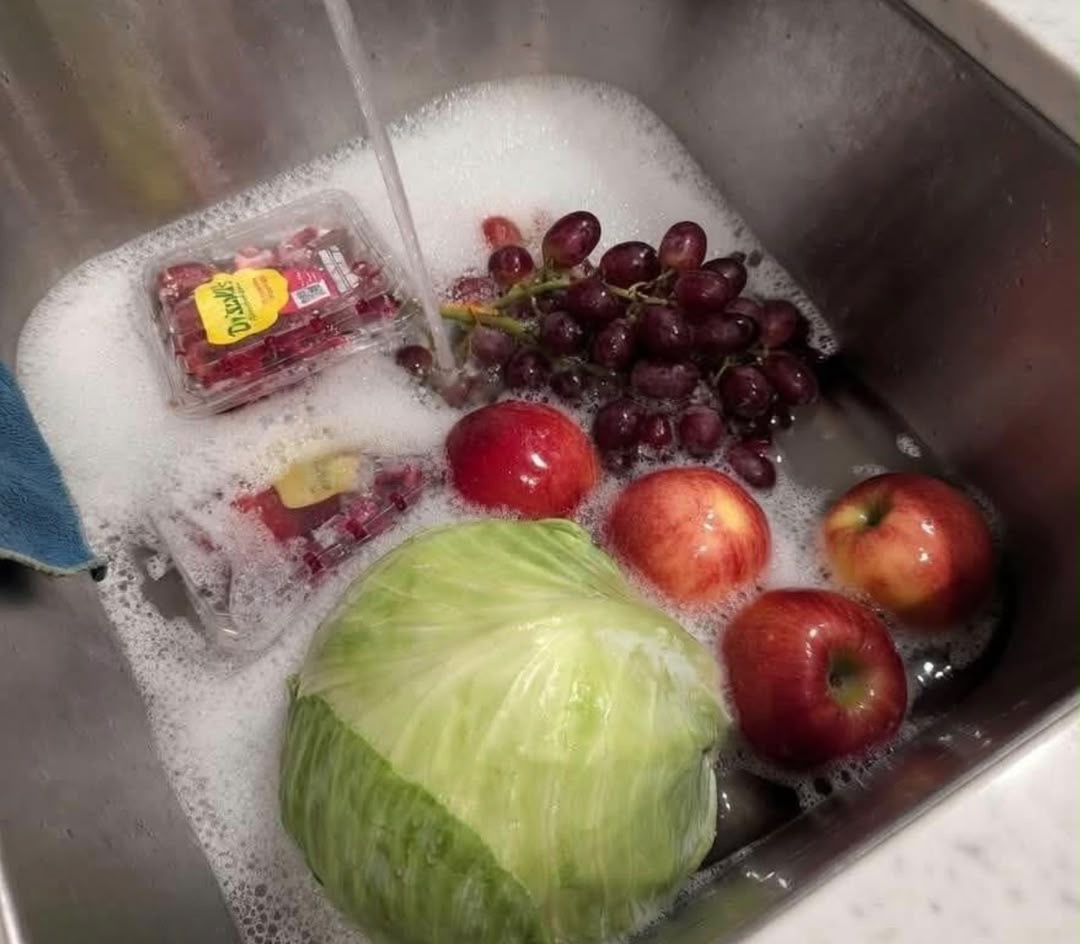
Some fruit sellers use household detergent or dishwashing liquid when washing fruits before selling them. It may look like an extra step to make the produce cleaner, but food-safety guidance says detergent is not meant for this job.
The United States Food and Drug Administration advises consumers not to wash fruits and vegetables with soap, detergents or bleach solutions. Instead, fresh produce should be rinsed thoroughly under running water.
So, if detergent can clean our plates, why shouldn't it clean our fruit?
The answer lies in the difference between washing a surface and preparing food for consumption.
Detergents are formulated to break down grease, dirt and other substances on surfaces. They are not formulated to be eaten. When used on fruits and vegetables, residues may remain on the produce, particularly if the fruit has a rough or porous surface.
That means the very thing being used to make the fruit “cleaner” can introduce another chemical exposure.
And this is not just about whether you can taste soap.
The bigger concern is repeated exposure and the possibility of ingesting detergent residues. The FDA's advice is therefore straightforward: do not use soap or detergent to wash fresh produce.
But there is another side to the story. Fruit actually does need to be washed.
Fresh produce can pick up dirt, bacteria, viruses, parasites and chemical contaminants at different points along the journey from farm to market. WHO identifies unsafe food as a major public-health concern and says contaminated food can cause more than 200 diseases.
Fruits sold on the roadside can also be exposed to dust, dirty water, repeated handling and contact with surfaces during transportation and display.
So the answer is not “don't wash the fruit.” It is “wash it properly.”
WHO's food-safety guidance emphasises keeping food clean and using safe water and raw materials. It specifically recommends washing fruits and vegetables, particularly when they will be eaten raw.
For whole fruits and vegetables, clean running water is generally the starting point. Firm produce can be rubbed or scrubbed gently under running water. Produce should also be washed before cutting or peeling, because cutting through a dirty skin can transfer contaminants from the outside to the inside.
And if you are buying already-cut fruit from a roadside vendor, there is another issue to consider.
Once a fruit has been peeled and cut, the inside is exposed.
At that point, the cleanliness of the knife, chopping board, container, hands and water becomes just as important as the fruit itself. Washing the outside of a watermelon, pineapple or pawpaw does not make a dirty knife safe.
This is why food safety is not simply about whether something looks clean.
A bowl of brightly coloured fruit can look spotless and still have invisible contaminants. Conversely, a fruit that has been washed with detergent may look exceptionally clean while carrying a substance that should never have been there in the first place.
There is also no need to panic every time you buy fruit from a street vendor.
The fact that a seller uses detergent does not automatically mean that everyone who eats the fruit will become ill. The actual risk depends on factors including the detergent used, how much was applied, whether the fruit was subsequently rinsed thoroughly, the type of fruit and how it was handled.
But that uncertainty is precisely why detergent is not recommended.
Food-safety guidance is designed to reduce avoidable risks.
And detergent on fruit is an avoidable one.
For consumers, the safest approach is simple: buy fresh produce from vendors who appear to handle food hygienically, ask how fruits are washed when necessary, and if possible wash whole fruits yourself under clean running water before eating them.
For sellers, the message is equally important.
Clean water is not a luxury when food is being prepared for other people. WHO notes that water used with fresh fruits and vegetables must be appropriate for its intended purpose because contaminated water can itself introduce microbiological hazards.
There is nothing wrong with wanting your fruit to look fresh, clean and attractive. But when it comes to food, cleaner is not always safer if the cleaning method is wrong.
That bowl of pineapple may be refreshing. That watermelon may be exactly what you need on a hot Lagos afternoon.
Just make sure what is washing the fruit is actually safe for the fruit and, ultimately, safe for you.
The next time someone reaches for detergent to wash your fruit, you now have a very good reason to ask: “Can you please use clean water instead?”
Fresh money moves, without the extra fuss
Just as your food should be handled with care, your everyday money should be simple to manage.
With Monica, you can convert crypto to naira, pay bills and utilities, manage subscriptions and fund betting wallets from one app.
Download Monica [https://monica.cash/app] and keep your everyday money moves as clean and simple as your fruit should be.