Someone Wants to Send You Crypto Here’s the Address You Should Give Them
A wallet address is one of the simplest things in crypto, yet one small mistake can turn a routine transfer into a very expensive lesson. Here is what you need to know before receiving your next payment
Someone wants to send you crypto.
Maybe it is a client paying you for a job. Maybe a friend owes you money. Maybe you sold something online and the buyer wants to pay in Bitcoin. Or perhaps someone simply asked, “Send me your wallet address.”
And suddenly, you are staring at a long string of letters and numbers wondering:
Which one am I supposed to send?
It is a reasonable question.
Crypto has a way of making simple things look complicated. A wallet can have addresses, networks, private keys, recovery phrases and other terms that sound like they belong in a computer science lecture.
But receiving crypto does not have to be complicated.
The most important thing to understand is this:
If someone wants to send you crypto, you give them your unique wallet address for the specific cryptocurrency they are sending.
Not your password.
Not your private key.
And absolutely not your recovery phrase.
So, what exactly is a wallet address?
Think of a wallet address as the crypto equivalent of an account number.
If someone wants to transfer Naira to your bank account, you give them your account number. If someone wants to send you Bitcoin, you give them your Bitcoin address.
The address tells the blockchain where the cryptocurrency should be sent.
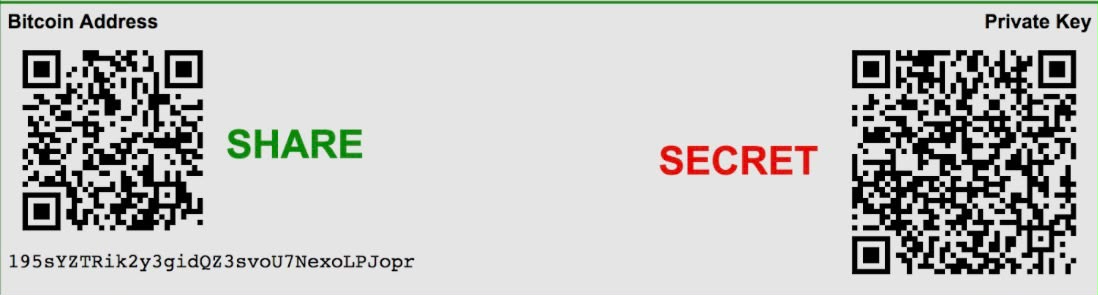
It is designed to be shared.
Your private key and recovery phrase are completely different. They are what can give someone control over a self-custodial wallet, which is why they should never be shared with another person.
That distinction is one of the first things every crypto user should understand.
Your address can be shared. Your private key cannot. Your recovery phrase cannot.
The mistake that catches people out
Here is where things get interesting.
You cannot simply give someone any crypto address and expect the transaction to work.
The cryptocurrency matters.
If someone is sending you Bitcoin, you need a Bitcoin deposit address.
If they are sending USDT, you need the appropriate USDT address and, depending on the platform, the correct network.
That last part is particularly important.
USDT exists on several blockchain networks. A sender may be using TRC20, Ethereum, BNB Smart Chain, Solana or another supported network.
So saying, “Send it to my USDT address,” may not be enough.
You need to make sure the network selected by the sender matches the network supported by the receiving address.
A mismatch can result in funds being lost or requiring complicated recovery efforts. Monica's own guidance similarly warns users to match the network when receiving USDT.
In crypto, checking twice is not being overly careful.
It is being smart.
What if you are using Monica?
This is where things become straightforward.
Monica provides users with deposit wallet addresses for supported cryptocurrencies. If someone wants to send you supported crypto through Monica, you select the cryptocurrency you want to receive and copy the corresponding deposit address from the app.
For example, if someone wants to pay you in Bitcoin, you select Bitcoin and copy your Bitcoin wallet address.
You then send that address to the person making the payment.
They send the Bitcoin from their own wallet.
Once the transaction receives the required blockchain confirmation, Monica processes the crypto-to-naira conversion and credits the resulting Naira according to the platform's flow and the rate at that moment of conversion.
So the journey is not:
Someone sends you Bitcoin → you become stuck figuring out what to do with it.
It is:
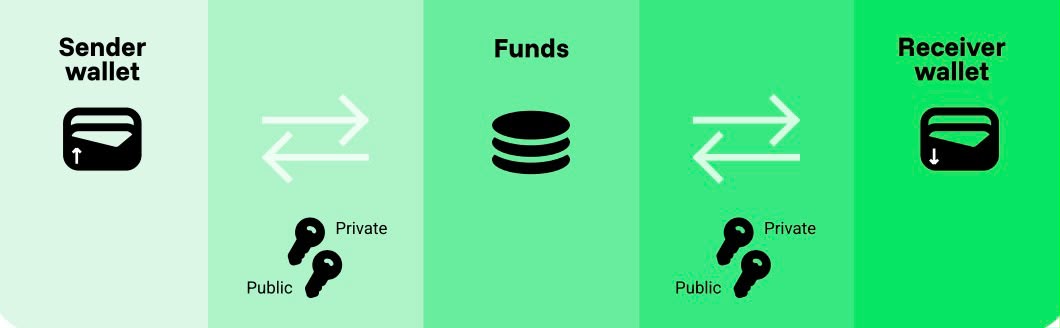
Their wallet → your Monica wallet address → crypto is converted to Naira → your Naira is available for use.
That is the important distinction.
Monica is not asking you to become a blockchain expert before you can receive a payment.
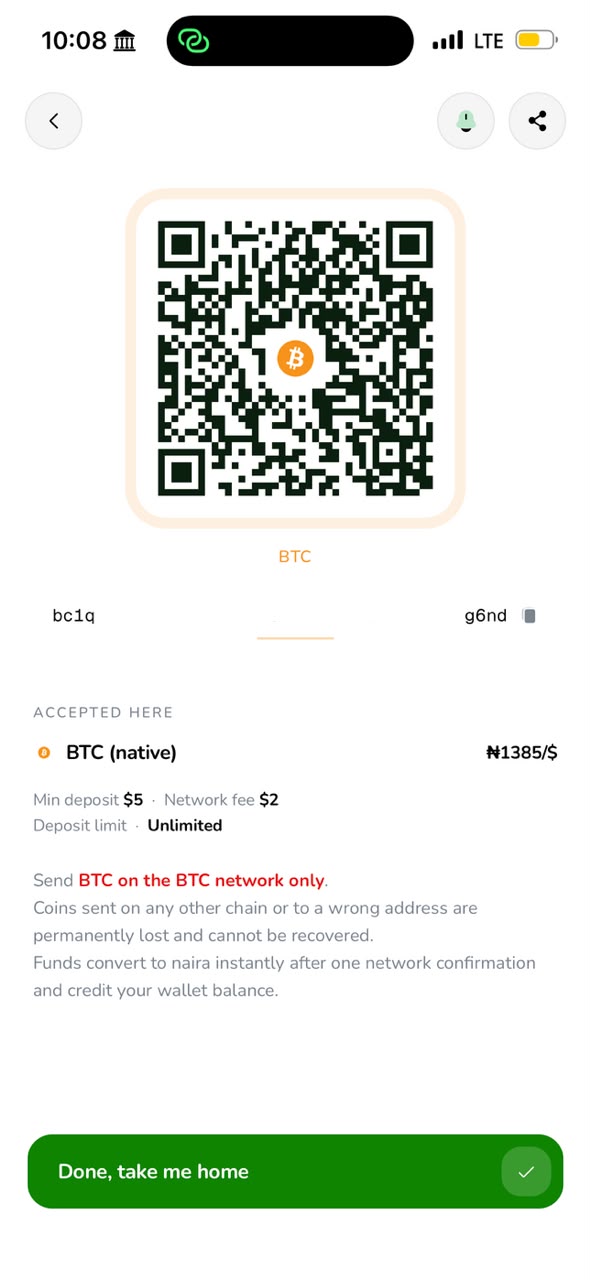 Photo from The Monica App: Kindly note that rates are subject to changes based on market analysis.
Before you send your address, check these four things
First, check the cryptocurrency.
Bitcoin should go to a Bitcoin address. Do not assume an address for one asset can receive another simply because both are crypto.
Second, check the network.
This is particularly important for assets such as USDT that operate across multiple networks. The sender's network must correspond with the receiving address.
Third, copy the address directly.
Do not manually type a long wallet address. Copy it from the app and paste it into the sender's wallet. Monica also recommends checking the address before confirming a transaction.
Fourth, never send your private information.
If someone asks for your seed phrase, private key, password or authentication code because they claim they need it to “send” crypto to you, stop.
They do not need it.
A person sending crypto needs your wallet address.
That is all.
A simple example
Imagine a client owes you $500 and wants to pay you in USDT.
You open Monica and select the appropriate USDT deposit option.
You check the network.
You copy the wallet address.
You send the address to your client.
Your client pastes it into their exchange wallet, selects the same network and sends the USDT.
Once the transaction is confirmed, Monica handles the conversion into Naira according to the current rate.
No exchanging long wallet addresses over and over.
No finding a stranger to buy your crypto.
No negotiating a rate with a random buyer.
Just make sure you get the first part right: the right asset, the right address and the right network.
The Wallet Rule worth remembering
Crypto may have a reputation for being complicated, but one good habit can save you from a very bad day:
Never send what you do not understand.
Before every transaction, pause.
What coin am I receiving?
Which network is being used?
Is this the correct address?
Have I copied it directly?
Those few seconds of checking can matter far more than the few seconds saved by rushing.
And remember the simplest rule of all:
Your wallet address is for receiving. Your private key and recovery phrase are for you alone.
That is your first lesson in the Wallets column.
Next time someone says, “Send me your crypto address,” you will know exactly what they mean — and exactly what they do not mean.
Now The Wallets
Crypto becomes easier when you understand the small things that make the big things work.
And when your goal is to turn supported crypto into Naira, Monica keeps that journey simple: send your crypto to your unique Monica wallet address, let the conversion happen after blockchain confirmation, and move your Naira to your bank account.
So, the next time your crypto payment comes knocking, don't just send an address. Send the right one. Then let Monica handle the journey home to Naira.
Crypto to Naira in 60 seconds happens here https://monica.cash/app