Onafriq to Shut Baxi Agent Banking Business in Nigeria
Rising operating costs, naira depreciation and tougher competition have pushed Onafriq to discontinue Baxi’s agent banking operations, raising fresh questions about the sustainability of Nigeria’s payments business.
Nigeria’s financial technology industry is facing another significant shake-up as pan-African payments company Onafriq prepares to wind down its Baxi agent banking business, citing rising operating costs, currency depreciation and intensifying competition.
The decision, announced on October 16, marks a retreat from Nigeria’s physical agent banking market for a business that once sought to bring essential financial services closer to individuals and small businesses through a nationwide network of agents.
However, the development does not mean Onafriq is leaving Nigeria. The company says it will continue operating in the country through its cross-border payments network and card-issuing services, while discontinuing the Baxi agent banking operation.
According to reports by Nairametrics and BusinessDay, Onafriq said changes in Nigeria’s operating environment since 2024 had weakened the economics of running its offline agent banking business. Inflation and the depreciation of the naira affected transaction volumes and increased operating expenses, while growing competition squeezed profit margins.
The rapid adoption of instant account-to-account transfers has also changed how Nigerians move money. More people can now transfer funds directly from their bank accounts using mobile applications, reducing their reliance on physical agents for some transactions. For businesses operating extensive point-of-sale networks, that shift creates additional pressure to remain competitive while covering the costs of running their services.
From expansion to withdrawal
Onafriq entered Nigeria’s agent banking market through its acquisition of Baxi, also known as Capricorn Digital Limited, in 2021. The company continued investing in the business through 2023, seeking to expand its network and strengthen access to digital financial services.
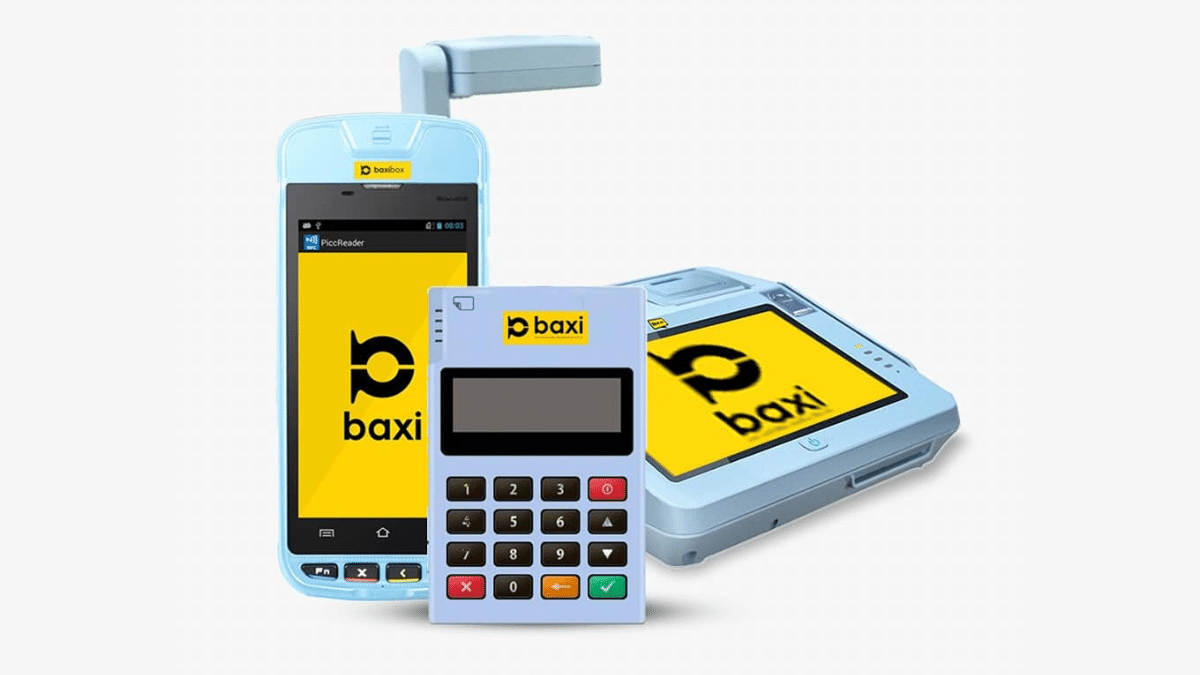
Baxi’s model connected customers to services such as cash withdrawals, money transfers and bill payments through physical agents, including operators using point-of-sale terminals. Such networks have played an important role in reaching people who may live far from bank branches or prefer face-to-face assistance with financial transactions.
But reaching customers at scale does not automatically translate into a sustainable business. Agent networks must manage transaction costs, competition, cash availability and the expenses associated with keeping their platforms and operations running. When costs rise faster than the income generated by transactions, maintaining a large network becomes more difficult.
Onafriq’s founder and chief executive, Dare Okoudjou, acknowledged the difficulty of the decision, saying the company had entered Nigeria with strong conviction but had not achieved its intended outcome. He also recognised the impact the closure would have on employees, agents and business partners who helped build the network.
The company has said employees whose roles are connected to the agent banking operation will be consulted and supported through the transition.
What happens to Baxi agents and customers?
The immediate concern is how agents will continue operating and serving customers as the business winds down.
Onafriq said agents onboarded through the Baxi platform had been transitioned to another principal bank and were asked to transfer their funds to a principal bank of their choice within 30 days of the announcement. The company also said its teams would provide guidance during the process.
Baxi’s official notice subsequently stated that its agent banking activities would terminate effective November 30, 2026. Agents intending to continue in the business are required to arrange a new relationship with a principal bank or another approved super-agent, in line with the applicable arrangements.
For customers, the transition highlights the importance of confirming the services available at their usual agent locations rather than assuming that every Baxi-linked outlet will continue operating under the same arrangements. Agents, meanwhile, need to complete the transition and settle outstanding transactions to minimise disruption.
The company has not publicly disclosed the full number of employees or agents affected by the wind-down.
A changing fintech landscape
Baxi’s withdrawal comes at a time when Nigerian financial technology companies are reassessing how they operate in a difficult and increasingly competitive market. Currency movements, inflation, infrastructure costs and changes in consumer behaviour can all affect the viability of a business, even when demand for digital financial services remains strong.
The lesson is not that digital payments are losing relevance. Rather, the market is evolving, and companies must continually reassess which services they can deliver sustainably.
For consumers, more digital payment options can offer convenience, but access still matters. Physical agents remain important to people who need cash, live far from bank branches or require assistance with transactions. Any reduction in agent networks therefore raises questions about how providers can maintain access while adapting to changing payment habits.
Onafriq’s decision illustrates the distinction between withdrawing from a particular service and abandoning a market altogether. The company plans to retain its wider Nigerian payments operations, while Baxi’s agent banking business moves towards closure.
As the transition progresses, the focus will be on how affected agents adapt, how customers maintain access to essential services and what the development signals for the future of Nigeria’s fintech industry.
For Monica, financial technology is ultimately about making everyday money movement more practical. Whether you are converting supported cryptocurrency to Naira or paying for airtime, data and other everyday bills, having a service that fits your needs matters.
Explore a simpler way to handle these transactions with Monica. Download the app https://monica.cash/app, discover its features and make your next money move count.