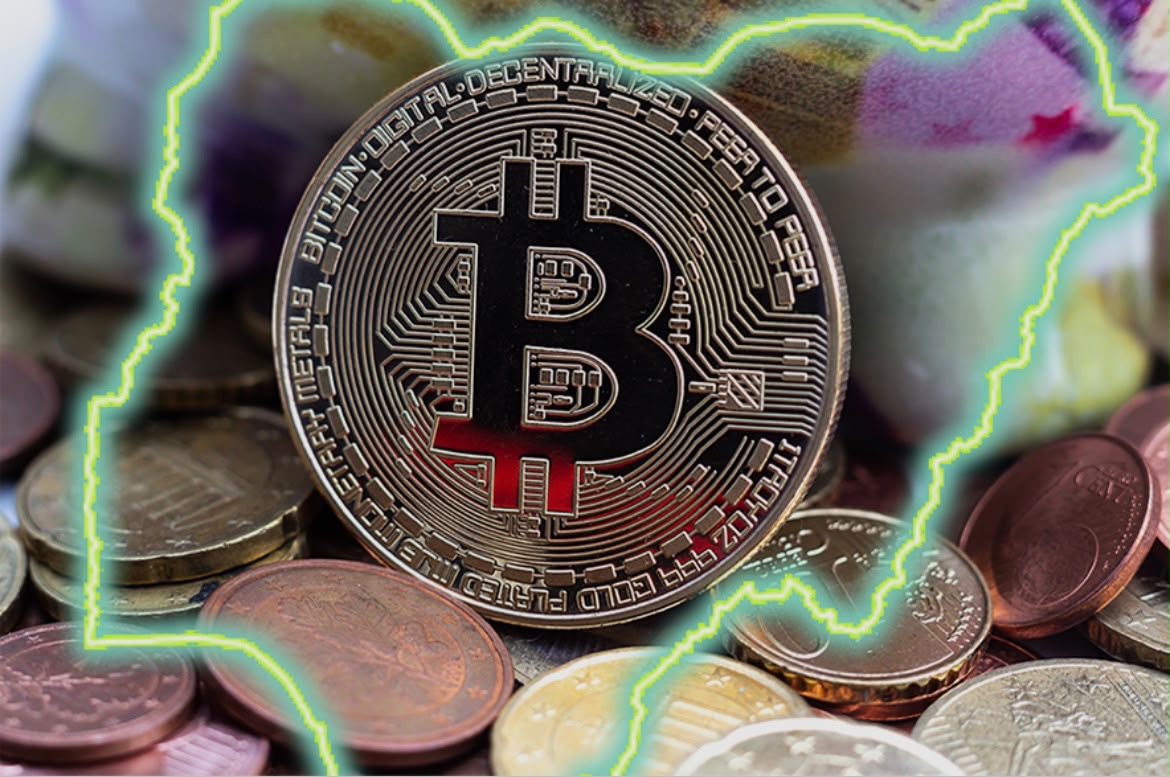
Nigeria Is Tightening Its Grip on Crypto and the Industry Is Starting to Feel It
A 30% corporate tax, A fourfold capital requirement jump, Monthly data reporting, and startups quietly looking at Nairobi and Cape Town. Here is the full picture of what Nigeria's regulatory overhaul is doing to its crypto ecosystem.
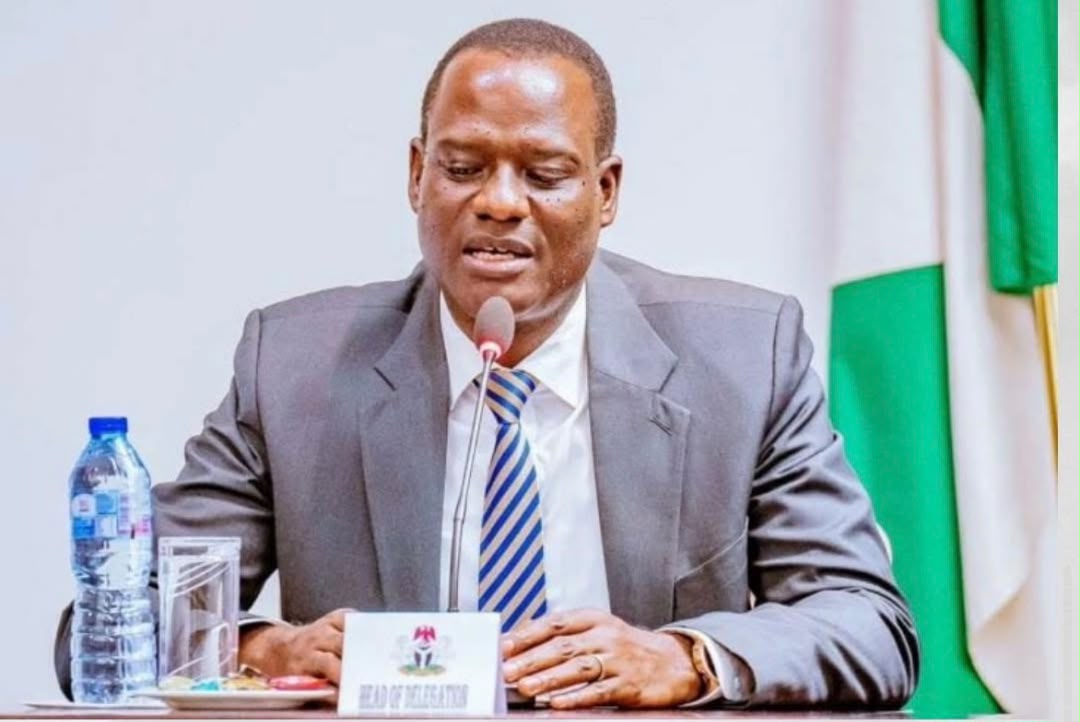
Nigeria built Africa's largest peer-to-peer crypto market without a formal regulatory framework, and now that the framework has arrived, the industry is discovering that the rules designed to legitimise it are also making it considerably more expensive to operate within it.
The anxieties are specific and measurable.
Under Nigeria's 2026 tax regime, Virtual Asset Service Providers are now subject to a 30% corporate income tax on profits from their digital asset operations, primarily from transaction fees, and must obtain a Tax Identification Number, register with the Nigeria Revenue Service and file monthly returns disclosing transaction details, types, amounts and customer information including names, addresses, TINs and National Identification Numbers.
Any VASP that defaults faces an administrative penalty of ₦10 million in the first month and ₦1 million for every subsequent month of non-compliance, a fine structure that hits smaller operators with the same force as large ones and has no proportionality mechanism for platforms at different stages of growth.
Alongside the tax burden, the SEC's January 16 2026 circular raised the minimum capital threshold for Digital Asset Exchanges and custodians from ₦500 million to ₦2 billion, a fourfold increase, while Digital Asset Offering Platforms must now hold ₦1 billion and ancillary virtual asset service providers, firms offering support services like blockchain analytics, must maintain a minimum of ₦300 million just to operate legally, with all affected operators required to meet the new thresholds by June 30 2027 or face penalties.
Industry players warn that the steep capital bar could trigger an industry shake-out, forcing smaller crypto firms to merge, downgrade their licences or exit the market entirely, and the concern is not hypothetical, with Quidax, one of Nigeria's better-known digital asset exchanges, recently shutting down its P2P services citing unsustainable operational frictions after entering the SEC's regulatory sandbox.
The regulatory architecture around these requirements has also become more complex. President Tinubu's Virtual Assets Coordination Executive Order established an inter-agency Virtual Asset Council bringing together the CBN, SEC and Nigeria Revenue Service under a single coordination structure, an attempt to resolve the fragmentation between agencies that has historically created compliance confusion for operators trying to navigate multiple regulators simultaneously, but critics argue that the multi-layered oversight structure that resulted is more cumbersome rather than less, and lags behind the cleaner single-lane regulatory pathways offered in competing jurisdictions.
The regional comparison is where the competitive anxiety becomes most acute.
Kenya has moved in the opposite direction from Nigeria on several key fronts, actively lowering capital requirements for stablecoin issuers and working directly with Web3 innovators to create growth-friendly conditions that attract rather than filter out early-stage operators, while South Africa's Reserve Bank and National Treasury have systematically expanded licensed digital asset structures while keeping operational entry barriers lower than Nigeria's ₦2 billion mandate, and the combination of lower costs, clearer rules and more proportionate enforcement in both markets is increasingly visible to startups deciding where to establish their African base of operations.
Insiders warn that if the gap between Nigeria's regulatory ambition and its growth incentives continues to widen, the country risks losing its position as Africa's crypto superpower not through any single dramatic moment but through the quiet accumulation of incorporation decisions made in Nairobi and Cape Town by founders who looked at Lagos and decided the mathematics did not work.
The SEC has been clear that its revised capital framework is designed to strengthen financial resilience, improve investor protection and align Nigeria's capital market with evolving global standards, and those objectives are legitimate, but the industry's most consistent ask has been for a tiered licensing regime that protects local startups first and calibrates requirements to the actual scale of the operator rather than applying institutional banking standards uniformly across platforms at every stage of development.
Nigeria has the users, the transaction volume and the grassroots adoption that most African crypto markets can only aspire to, but users and volume do not automatically translate into a thriving innovation ecosystem if the companies building the infrastructure leave, and the conversation about how to balance regulatory integrity with competitive openness is one the country cannot afford to have slowly.
Monica is SEC-compliant, KYC-verified and built to operate within Nigeria's regulatory framework, now and wherever it goes next.
Regulated, Trusted and always moving forward.
Start here👉 https://monica.cash/app