SafePal Breach Exposes Nearly 40,000 Crypto Users to a Different Kind of Risk
A security flaw exposed personal and order information belonging to almost 40,000 SafePal customers, highlighting a growing problem in crypto security that has nothing to do with losing your private keys
There is a familiar fear in crypto: What if someone gets my private key?
But a new security incident involving crypto wallet provider SafePal is a reminder that there is another question users may need to ask: what if someone gets my personal information instead?
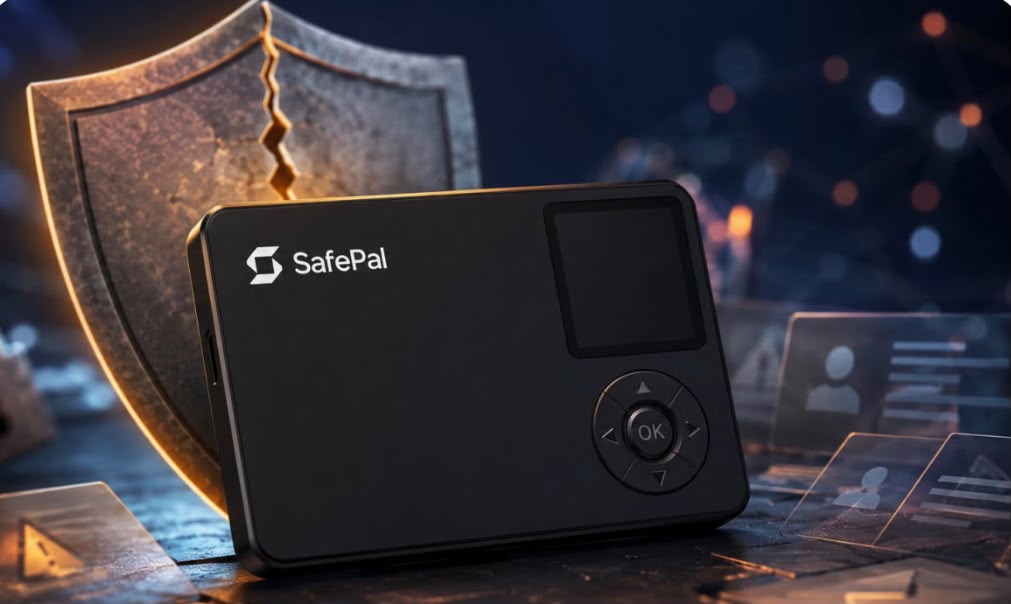
SafePal has disclosed a data breach affecting approximately 39,798 customers, after unauthorised access was gained to customer order information. The exposed information included names, email addresses, phone numbers, delivery addresses and purchase details, according to reports on the incident.
The breach involved an authorisation flaw in an order-tracking plugin used by SafePal. In simple terms, the problem was not with the blockchain or the private keys protecting customers' crypto. It was with a system handling information connected to customers' orders.
And that difference matters.
SafePal says there is no evidence that customers' cryptocurrency, seed phrases, private keys or wallet passwords were exposed through the breach. The company has therefore not described the incident as a direct theft of users' digital assets.
But personal information can still be valuable to criminals.
A name combined with a phone number, email address and physical location can give scammers enough information to make a fraudulent message or phone call look remarkably convincing. Instead of trying to break into a wallet directly, an attacker can first try to convince its owner to hand over the information needed to do it.
That is where phishing enters the picture.
Imagine receiving a message that appears to come from your wallet provider. It knows your name. It knows you bought a particular device. It may even know where the device was delivered.
Then comes the urgent warning: Your wallet has a security problem. Update it immediately.
For an unsuspecting user, that message could look legitimate.
This is why the SafePal incident is bigger than a simple data-leak headline. It demonstrates how security can become a chain: one compromised layer can give attackers information they may use to target another.
SafePal said it began investigating the issue after receiving a report in May and later discovered that customer order data had been retained for longer than intended. The company subsequently rebuilt its order-processing system and said it had addressed the underlying problem.
The company has also moved to reduce the amount of personal information it retains, with reports saying customer data retention will be limited to 90 days going forward.
For crypto users, however, the lesson does not stop with SafePal.
Never assume that a message is genuine simply because it contains information about you.
Scammers can use leaked information to create highly personalised attacks. A message that knows your name, your wallet brand or even where you bought your device is still not proof that it came from the company.
Do not share your seed phrase.
Do not disclose your private key.
Do not install wallet software or firmware through links sent unexpectedly by email, text message or social media.
And when a message creates panic or urgency, slow down.
That may be the most valuable security feature a crypto user has.
The incident also arrives at a time when security remains one of the biggest challenges facing the digital-asset industry. Crypto transactions can be fast and borderless, but recovering funds after a successful theft can be extremely difficult. That makes prevention even more important.
For everyday users, crypto security is therefore not only about choosing a strong wallet.
It is also about protecting the information surrounding that wallet.
Your wallet may hold the assets.
But your identity, phone number, email address and physical location can give a scammer the map to reach you.
The safest crypto user is not necessarily the person who knows every technical term. It is the person who knows when to stop, verify and think twice.
And as digital assets become increasingly part of everyday financial life, that habit may be worth more than any security feature.
Moving crypto should be simple. Keeping your information secure should be non-negotiable. With Monica, you can convert your supported crypto to naira when you need it, while keeping your own security habits firmly in control. When it is time to make your next move, make it with Monica.
Download Monica https://monica.cash/app and get started today.