Africa’s Crypto Economy Takes Another Step Toward Self-Custody
Tether and Shiga are bringing self-custodial digital asset products to Africa and the Gulf, putting greater control of crypto assets in the hands of users and institutions
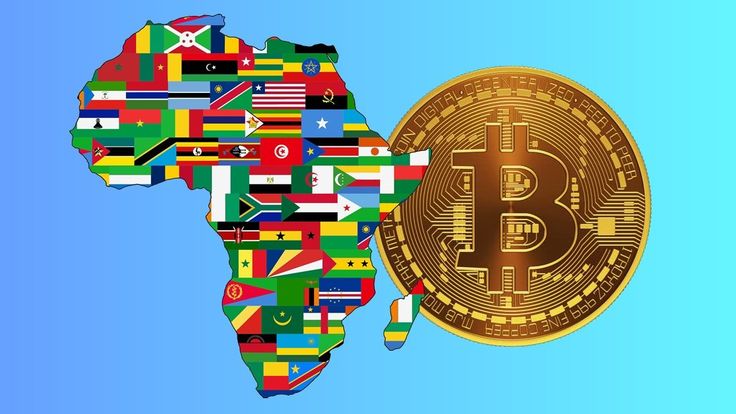
Africa’s digital finance story is moving beyond simply getting more people online.
The next question is about who controls the money once it gets there.
Tether and Shiga are taking that conversation further with a new collaboration to develop self-custodial financial products for individuals, businesses and institutions across Africa and the Gulf Cooperation Council.
The products will be built using Tether’s open-source Wallet Development Kit, or WDK, and will support USD₮, Bitcoin and Tether Gold. The companies announced the collaboration on September 28, describing it as the next stage of their relationship following Tether’s strategic investment in Shiga in 2025.
When the user holds the keys
Self-custody sounds like a technical crypto term, but the idea is fairly simple.
In a custodial wallet, another company holds the assets or controls the wallet infrastructure on a user's behalf. With self-custody, the user retains control of the wallet and the credentials needed to access the assets.
Think of it as the difference between keeping your valuables in a facility where someone else controls access and keeping them somewhere where you hold the key.
That extra control, however, comes with extra responsibility. If users lose the credentials required to access a self-custodial wallet, there may not be a central provider that can simply reset access in the way a conventional financial institution might.
That makes security and user education just as important as convenience.
Two products, two audiences
The Tether-Shiga collaboration will centre on two products.
ENTA is designed for individuals, high-net-worth users and businesses. According to Tether, users will be able to fund self-custodial wallets with local currency, U.S. dollars or Bitcoin, then hold and transfer USD₮, Bitcoin and Tether Gold.
Then there is Pulse, which is aimed at banks, fintech companies and other institutions.
Rather than offering a one-size-fits-all wallet, Pulse is designed to help institutions build digital asset services around specific payment corridors, treasury operations and settlement requirements.
That could be particularly relevant in markets where businesses regularly have to navigate currency volatility, cross-border payments and the cost of moving money internationally.
Tether cited World Bank data showing that the average cost of sending remittances to Sub-Saharan Africa reached 8.46% in 2025. The companies say the new products are intended to address some of the challenges surrounding cross-border financial movement.
Why Africa matters
Africa's digital finance ecosystem has developed rapidly, with mobile money, fintech platforms and digital assets increasingly becoming part of how people and businesses move value.
Stablecoins have also become part of that conversation because they can provide digital access to assets designed to track the value of major currencies.
But access is only one side of the equation.
For users dealing with unstable local currencies or expensive international transfers, the question of how assets are held and moved can be just as important as how easily they can be accessed.
That is where self-custody enters the picture.
Instead of building another system in which users simply hand their assets to a platform, the Tether-Shiga model is designed around giving users and institutions greater control over their wallets, keys and funds.
For institutions, Tether says Shiga's infrastructure can either be managed by Shiga or operated within the institution's own environment, allowing clients to retain control over their keys, data and funds.
Nigeria is part of the picture
The development also has a Nigerian connection.
Shiga says it is in the final stage of approval for a Nigerian Digital Asset Intermediary licence. The licence has not yet been granted, so the company's regulatory position in Nigeria should not be confused with an already-approved operating licence.
If approved, the licence would potentially allow Shiga to provide digital asset-related services to individuals and institutions under Nigeria's regulatory framework.
That makes the broader development worth watching locally, particularly as Nigeria continues to build its regulatory framework around digital assets and financial technology.
The bigger shift
The interesting part of the Tether-Shiga announcement is not simply that another crypto wallet is being developed.
It reflects a broader shift in digital finance.
The industry is moving from asking “How do we give people access to crypto?” to asking “How much control should people have over the crypto they already own?”
For Africa, where cross-border payments, currency volatility and access to international financial infrastructure remain important issues, that question could become increasingly relevant.
Self-custody will not remove the risks that come with digital assets. It does not eliminate volatility, regulatory requirements or the responsibility of securing one's assets.
But it does change the relationship between the user and the platform.
And as Tether and Shiga push their products across Africa and the GCC, that relationship could become one of the defining conversations in the continent's next chapter of digital finance.
Crypto is increasingly becoming about more than owning digital assets. It is also about deciding who gets to control them.
For Nigerians who need a simpler route when it's time to turn supported crypto assets into naira, Monica keeps the process straightforward. When your crypto needs to leave the blockchain and meet everyday life, make that move with Monica.
Download Monica Here: https://monica.cash/app and turn your next crypto move into something you can actually use.