Your Skin Is Not Misbehaving, It Is Communicating
The serum is not the problem, Neither is the moisturiser. If your skin keeps acting up despite a full shelf of products, the answer might be somewhere else entirely, and it has been trying to tell you for a while.
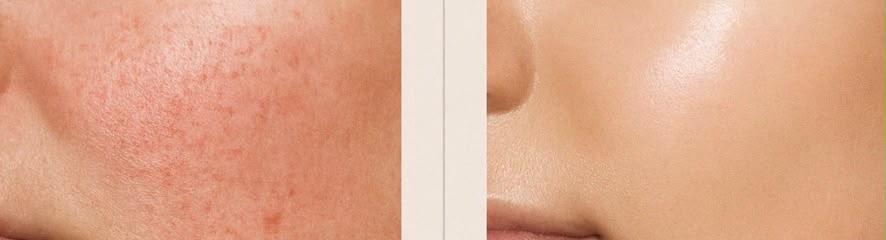
There is a particular kind of frustration that comes from spending real money on skincare, building a routine, following it consistently and still looking in the mirror three weeks later wondering why nothing has changed.
The temptation in that moment is to reach for something new. A different serum. A better cleanser. The toner that someone on the internet swore transformed their skin in two weeks.
But sometimes the answer is not another product.
Sometimes the skin is simply reflecting what is happening everywhere else in the body and no amount of layering will fix something that starts from the inside.
This is the conversation that the beauty industry has been slowly, reluctantly arriving at: that skincare is not separate from the rest of your life, it is continuous with it, and the habits that shape your sleep, your diet, your hydration and your stress levels are just as present on your face in the morning as whatever you applied the night before.
Sleep is where the conversation usually starts and where the evidence is hardest to ignore.
During deep sleep the body produces growth hormone, which triggers cell repair and renewal across every tissue including the skin, and collagen production, the structural protein responsible for firmness and elasticity, is significantly more active during sleep than during waking hours, which is why the phrase beauty sleep is not a metaphor but a description of a measurable biological process that your skin depends on happening consistently.
When sleep is consistently poor, cortisol levels rise, and elevated cortisol breaks down collagen, increases inflammation and disrupts the skin's barrier function, making it more reactive, more prone to breakouts and less able to retain moisture, producing exactly the kind of dull, uneven, problematic skin that sends people straight back to the product shelf looking for something to fix what a sleeping pattern has caused.
Stress produces the same cascade through the same cortisol pathway, which is why periods of sustained professional or personal pressure tend to announce themselves on the face before they show up anywhere else, and why the breakout that appears in the middle of a difficult week is not a coincidence but a physiological response to an emotional state.
Hydration works differently but the effect is similarly direct.
The skin is approximately 64 percent water, and when the body is chronically under-hydrated the skin is one of the first places that deficit becomes visible, appearing duller, less plump, more lined and less resilient than adequately hydrated skin, and the number of people applying hydrating products to skin that would respond more dramatically to simply drinking more water throughout the day is significant.
Nutrition adds another layer to the same picture.
A diet consistently high in processed foods, refined sugar and trans fats promotes systemic inflammation that the skin reflects in persistent redness, irregular texture and the kind of breakouts that topical products can address at the surface without ever reaching the root, while a diet with adequate antioxidants, omega-3 fatty acids, zinc and vitamin C provides the raw materials that the skin uses to repair, regenerate and maintain the barrier function that keeps it healthy from the outside.
None of this means products are unnecessary.
Cleansing removes the day's pollutants, excess sebum and dead skin cells that accumulate on the surface. Moisturising helps maintain the skin barrier. Sunscreen is genuinely one of the most evidence-based investments anyone can make in the long-term health and appearance of their skin, reducing photoageing, hyperpigmentation and skin cancer risk in ways that no amount of internal wellness practice can replicate.
But products work best as part of a system that includes the habits that support what they are trying to do, and they work least well as a replacement for those habits, which is a distinction the beauty industry has a commercial incentive to obscure but that a dermatologist will tell you plainly.
The modern beauty conversation is finally beginning to reflect this more honestly, moving away from the idea that skincare is primarily about owning the right products and toward the understanding that it is part of a broader practice of paying attention to what the body needs and responding to those needs consistently rather than reactively.
A wellness-oriented approach to skin does not require an expensive routine. It requires sleep taken seriously. Water consumed consistently. Food chosen with some awareness of what it does inside the body. Sunscreen worn regularly. A dermatologist consulted when something persists beyond what basic care can address rather than treated as a last resort after every product has been tried.
The longest shelf in your bathroom will not tell you what your lifestyle is doing to your skin.
But your skin will.
It has been doing it the whole time.
Taking care of yourself costs time and attention. Taking care of your money should not. Monica keeps your finances simple so you have more of both.
Good habits start with good tools. Monica is yours for the financial side.
Download Now: https://monica.cash/app