You Are Not Lazy for Wanting More Sleep, You Are Human and Your Body Is Telling You Something
Nigeria has built an entire culture around not sleeping enough and calling it hustle. Here is what that culture is quietly doing to your health, your brain and your future.
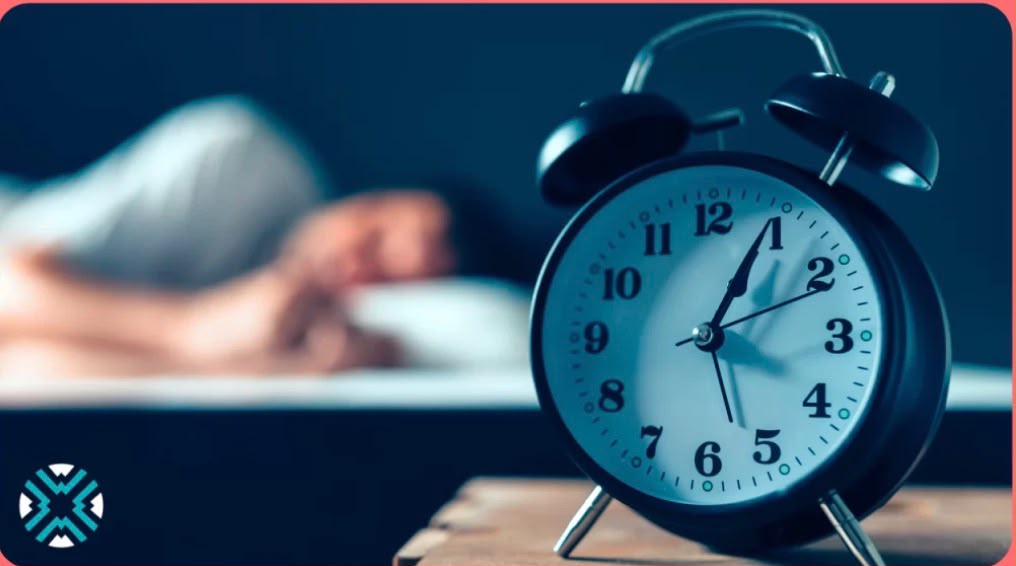
There is a badge of honour in Nigerian professional circles that nobody officially issued but everyone seems to be wearing, the badge that says I only sleep four hours and I am still functioning, worn proudly in conversations about productivity and success, as though the ability to deprive yourself of rest is evidence of ambition rather than a warning sign that the body is running on borrowed time.
Lagos never sleeps, they say, and the people who live in it have taken that personally.
But here is what the science says, and it does not negotiate with hustle culture or traffic schedules or the romantic idea that rest is something you earn after you have made it, adults need between seven and nine hours of sleep every night, and consistently getting less than seven hours is not a personality trait or a productivity strategy, it is a significant risk factor for some of the most serious health conditions known to medicine.
Sleep deprivation, defined as consistently sleeping less than the recommended amount, has been directly linked to hypertension, stroke and coronary heart disease in a 2026 umbrella review published in the American Journal of Lifestyle Medicine that analysed findings from 29 systematic reviews and meta-analyses, and the relationship it found between sleep duration and all-cause mortality follows a U-shape, meaning both sleeping too little and sleeping too much are associated with increased risk of death, with the danger zone beginning below seven hours per night.
For Nigerian professionals navigating Lagos traffic, demanding workloads, multiple jobs and the general administrative burden of daily life in a Nigerian city, the conditions that make adequate sleep difficult are not hypothetical, they are structural, and a 2024 cross-sectional study published in Medicine journal studying sleep patterns among Nigerian medical students found widespread poor sleep quality, with significant proportions consuming coffee late at night to stay awake, using medication to induce sleep when they wanted to and reporting symptoms of sleep disturbance including snoring and nocturnal eating, patterns that do not belong exclusively to medical students but mirror what is happening across a generation of young Nigerians burning the candle at both ends.
What sleep deprivation does to the brain is particularly worth understanding because most people experience the consequences without connecting them to their sleep habits.
When you consistently sleep less than seven hours your brain’s ability to consolidate memory is compromised, meaning information you absorbed during the day is not being properly filed and stored the way it should be, and the result is not just forgetfulness, it is reduced learning efficiency, slower decision-making, impaired concentration and the kind of foggy thinking that makes a four-hour day feel like eight hours of effort, which is the cruel irony of sleep deprivation, it steals the productivity it promises.
Sleep deprivation also elevates cortisol, the primary stress hormone, creating a cycle where poor sleep increases stress and increased stress makes good sleep harder to achieve, and over time that elevated cortisol contributes to weight gain, reduced immune function, increased anxiety and higher risk of depression, a cluster of outcomes that Professor Ojoawo Adesola Ojo, President of NAOMT, summarised plainly when she said that quality sleep leads to better memory, improved performance and a lower risk of heart disease.
The practical barriers to adequate sleep in Nigeria are real, generator noise, heat without reliable electricity, the anxiety of financial pressure, the pull of a phone screen in a quiet room after a loud day, and none of them are solved by simply deciding to go to bed earlier, but they are worth confronting deliberately because the alternative, treating sleep as the last priority in a list of other priorities, has consequences that accumulate quietly and present themselves loudly, in a blood pressure reading, a persistent headache, a temper that is shorter than it used to be or a tiredness that seven hours of weekend sleep does not seem to fix.
Your body does not have a hustle mode that bypasses the need for rest, it has a stress response that allows you to function under pressure for a period of time before the bill comes due, and the bill always comes due.
Seven hours is not laziness, it is maintenance, and the version of you that sleeps properly is sharper, calmer, healthier and more productive than the version running on four hours and a thermos of black coffee.
Start there.
A well-rested mind makes better financial decisions. Monica keeps your money sorted so financial stress is one less thing keeping you up at night.
Sleep better, Spend smarter with just one click: https://monica.cash/app