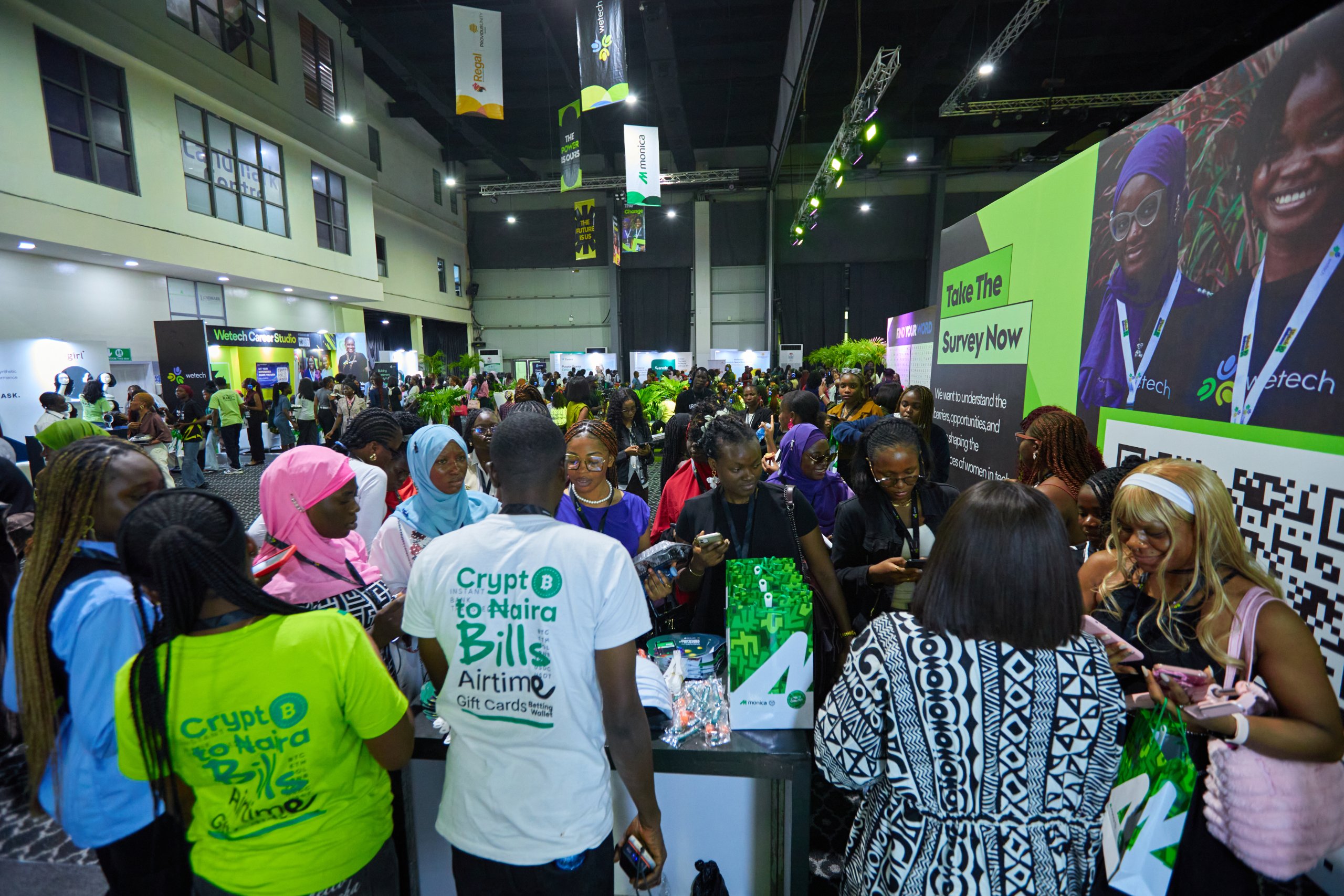
Why Stablecoins Are Becoming Part of Nigeria’s Money Movement
Stablecoins are moving beyond crypto trading in Nigeria, quietly becoming part of how people and businesses move dollar-linked value across borders
There is a money story unfolding on Nigerian phones that has very little to do with buying a coin and hoping its price goes up.
It is about sending money.
Receiving money.
Paying someone abroad.
Getting paid from another country.
And finding a way around the familiar headaches of international transfers.
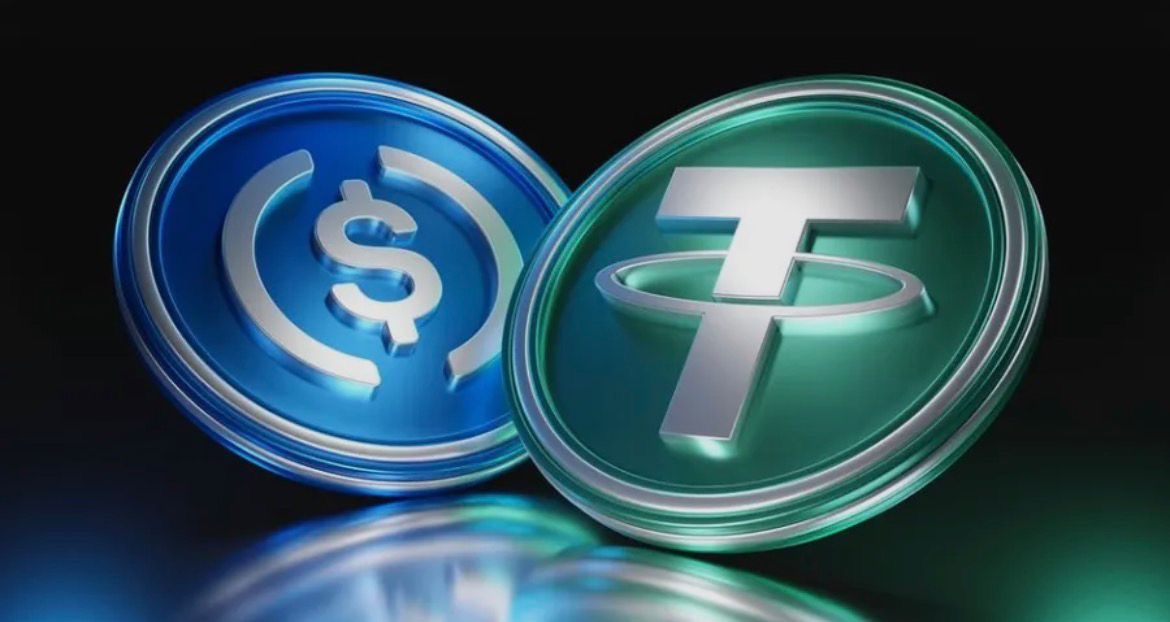
At the centre of that shift are stablecoins — digital assets designed to track the value of traditional currencies, particularly the US dollar.
You may have heard of USDT or USDC without ever owning either one. Think of them, in simple terms, as digital tokens designed to represent dollar value. Unlike Bitcoin, whose price can swing dramatically, stablecoins are built to maintain a relatively stable value against the currency they track.
That difference is turning them into something more than a crypto-trading tool.
In Nigeria, they are increasingly becoming part of the conversation about how money moves.
The Nigerian connection is bigger than you might think
The numbers tell an interesting story.
The International Monetary Fund estimates that Nigeria received about $59 billion in crypto-asset inflows between July 2023 and June 2024. It also found that Nigeria accounted for roughly 60 percent of stablecoin inflows into Sub-Saharan Africa from late 2019 to early 2025.
That is a remarkable share for one country.
And it helps explain why stablecoins have become increasingly difficult to dismiss as simply another corner of the cryptocurrency industry.
Nigeria ranked sixth in Chainalysis' 2025 Global Crypto Adoption Index, while Sub-Saharan Africa's crypto activity continues to be strongly influenced by practical uses such as payments, remittances and access to alternative financial rails.
So what exactly are people using stablecoins for?
Sometimes, the answer is surprisingly ordinary.
Imagine this
Someone in Lagos has a sibling studying in the United Kingdom.
A Nigerian business has a supplier in Asia.
A freelancer works with a client in the United States.
A family member abroad needs to send money home.
In all four situations, the problem is essentially the same: money needs to cross a border.
Traditionally, that can mean banks, intermediaries, processing times, exchange-rate calculations and fees.
Stablecoins introduce another route.
Because they exist on blockchain networks, they can be transferred digitally between compatible wallets without travelling through the same chain of traditional correspondent banks.
The IMF says stablecoins can allow cross-border transfers to happen within minutes and can reduce some of the friction associated with conventional payment channels.
That does not mean they are automatically cheaper, safer or better in every situation. It means they have become attractive because they address a problem people already have.
And Nigeria has plenty of those problems.
Why the dollar matters
There is another reason stablecoins have found an audience here.
The naira has experienced significant volatility in recent years, while access to foreign currency has at times been difficult for individuals and businesses.
A dollar-pegged stablecoin gives a user digital exposure to dollar-linked value without requiring them to carry physical US dollars.
The IMF has noted that Nigerian users and businesses increasingly turned to stablecoins amid currency depreciation and foreign-exchange access challenges.
That makes the stablecoin story less mysterious.
It is not simply:
“Nigerians love crypto.”
It is also:
“Nigerians are looking for easier ways to move and preserve value in a complicated financial environment.”
That distinction matters.
And then there is the cost of sending money
Cross-border transfers have another familiar problem: fees.
The World Bank estimates that sending US$200 to Sub-Saharan Africa costs roughly 9 percent of the amount sent on average, considerably above the global average.
On a large transfer, that difference can become significant.
Stablecoins can potentially reduce some of the intermediaries involved in moving money internationally, although users still have to consider network fees, platform charges, exchange rates and the risks associated with digital assets.
The attraction, therefore, is not simply that stablecoins are “cheap”.
It is that they can make the movement of value more direct and digital.
And that is where the story becomes particularly interesting.
The crypto user is changing
The stereotype of a crypto user sitting in front of charts, watching Bitcoin candles rise and fall, no longer tells the whole story.
Some people are using crypto because they want to trade.
Others are using it because they want to receive money.
Some businesses are exploring stablecoins for cross-border settlement.
Chainalysis has also identified stablecoins as increasingly important for remittances, commerce and cross-border activity, particularly in emerging markets.
That means someone can interact with stablecoins without thinking of themselves as a “crypto person” at all.
For them, the technology is simply sitting underneath the transaction.
Much like many people use mobile banking every day without thinking about the servers, payment rails and financial infrastructure making the transaction possible.
Here is where Monica fits
This is also where moving crypto back into everyday Nigerian money becomes important.
Imagine you have received USDT for freelance work, received a crypto payment or simply have supported crypto assets that you now need to turn into naira.
You don't necessarily want to keep thinking about blockchain networks, wallets and crypto prices.
You need naira.
You need it in the form you can actually use for your everyday life.
That is where Monica comes in.
Monica is built for the conversion journey from supported crypto assets to naira. Rather than presenting itself as a place to store your crypto indefinitely, Monica gives users a straightforward way to convert supported digital assets into naira when they are ready to make that move.
So while stablecoins may be changing how value travels into and around Nigeria, the final question for many users remains refreshingly simple:
“How do I turn this digital value into money I can actually spend?”
With Monica, that journey can be as simple as converting your supported crypto and receiving the naira equivalent.
Got crypto sitting there waiting for its next move? This is where Monica can help. Explore Monica https://monica.cash/app and turn supported crypto into Naira when you need it.
But regulators are watching
The growth of stablecoins has not gone unnoticed by Nigerian authorities or international institutions.
And there is a good reason for that.
If people increasingly hold dollar-linked digital assets instead of traditional naira balances, stablecoins could eventually influence how much people rely on the local currency for savings and transactions.
The IMF refers to this potential shift as digital dollarization.
There are also questions around consumer protection, money laundering, transaction monitoring, foreign-exchange flows and the ability of regulators to understand activity taking place across digital wallets and international platforms.
Nigeria's challenge is therefore not simply deciding whether stablecoins are good or bad.
The bigger challenge is figuring out how to accommodate useful innovation without allowing new financial risks to grow unchecked.
The bigger picture
Stablecoins did not become relevant in Nigeria because everyone suddenly became fascinated by blockchain technology.
They became relevant because they found a job to do.
They can help move dollar-linked value across borders. They can provide another route for remittances. They can support cross-border business activity. And for some Nigerians dealing with currency volatility or foreign-exchange restrictions, they offer a digital alternative to accessing dollar value.
That is why the conversation is changing.
The question is no longer simply:
“What is a stablecoin?”
It is increasingly:
“What role will stablecoins play in the way Nigerians receive, send and convert money?”
The answer is still developing.
But one thing is already clear: stablecoins have moved beyond the crypto charts and into a much bigger conversation about money itself.
And as that conversation grows, the ability to move smoothly between digital assets and everyday naira becomes just as important as the technology behind the assets.
Your crypto journey does not have to end at the blockchain. When you need to bring supported crypto back into your everyday Nigerian financial life, Monica is ready to make that conversion simpler. Make your next move count.
Discover Monica Here: https://monica.cash/app and convert your supported crypto to naira.