USDT vs cNGN: Two Stablecoins, Two Different Jobs, One Nigerian Wallet
Nigeria now has its own stablecoin but most Nigerians are still choosing USDT. Here is an honest look at both, what they do, how they differ and which one actually makes sense for you.
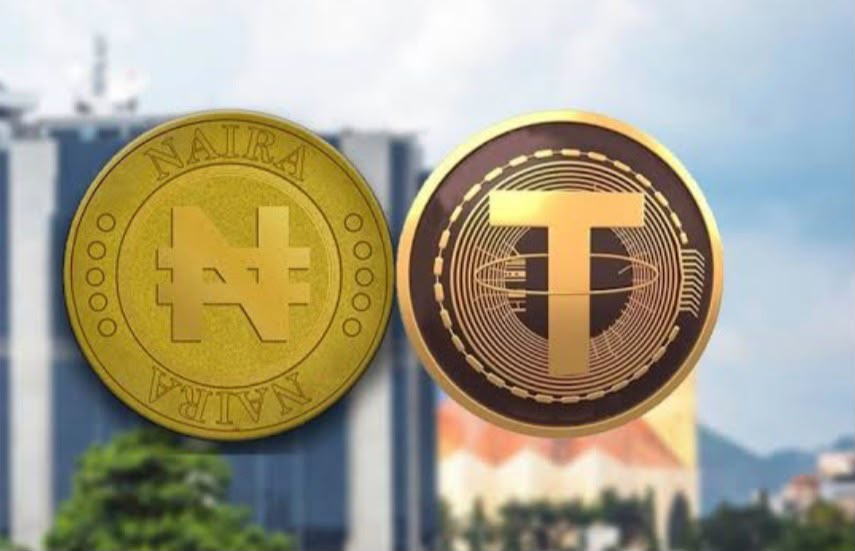
Nigeria has organically become one of the most stablecoin-active countries on earth, accounting for approximately 60 percent of all stablecoin inflows into Sub-Saharan Africa since 2019, and the reason is not complicated, when your local currency loses 70 percent of its value in two years and inflation peaks above 30 percent, a digital asset that holds its value becomes less of a financial product and more of a survival tool.
For most of that journey the stablecoin of choice has been USDT, Tether's dollar-pegged token, held by millions of Nigerians as a practical dollar substitute, and now a new option has arrived in the form of cNGN, Nigeria's own SEC-regulated naira-backed stablecoin, launched in February 2024 by the Africa Stablecoin Consortium through Wrapped CBDC Limited.
Two stablecoins, Two very different purposes, Here is exactly how they compare.
What They Are
USDT is a dollar-pegged stablecoin issued by Tether, the world's largest stablecoin issuer, with a market capitalisation exceeding $140 billion globally. One USDT is always worth approximately one US dollar, backed by Tether's reserves of cash, treasury bills and other assets, and it is the most widely held and traded stablecoin on earth, available on virtually every crypto exchange and blockchain network.
cNGN is Nigeria's first privately-issued, SEC-regulated naira stablecoin, pegged 1:1 to the naira and backed exclusively by naira reserves held in regulated Nigerian commercial banks and government securities, meaning every cNGN in circulation is fully collateralised by actual naira sitting in a Nigerian bank account, with daily on-chain records published transparently by the Africa Stablecoin Consortium.
What They Do Differently
This is the most important distinction and the one most people miss.
USDT protects you from naira depreciation. When the naira falls against the dollar, your USDT holdings maintain their dollar value, which is precisely why millions of Nigerians use it as a savings tool, converting naira to USDT during periods of stability and converting back when they need local currency for expenses.
cNGN does not protect you from naira depreciation because it is pegged to the naira, not the dollar, meaning holding cNGN is functionally the same as holding naira, and the IMF's own data confirms that in practice adoption of cNGN remains thin, with Nigerians continuing to choose USDT and USDC over the naira-backed stablecoin because cNGN does not solve the underlying problem people are using stablecoins to solve, which is protecting their money from naira weakness.
What cNGN does instead is make the naira faster, more programmable and more accessible on blockchain networks, enabling naira payments across borders without the friction, delays and fees of the traditional banking system, settling in seconds rather than days and at a fraction of the cost of conventional wire transfers.
Who Each One Is For
USDT is the right choice if you are trying to protect savings from naira depreciation, receive international payments without losing value to exchange rate movement, pay international suppliers or freelancers, or hold a portion of your money in dollar-equivalent value while maintaining the flexibility to convert to naira when you need it.
A freelancer earning $2,000 monthly from UK clients who receives payment in USDT, holds it throughout the month and converts to naira weekly as needed saves between 3 and 5 percent in international transfer fees compared to traditional remittance methods, while maintaining complete control over the timing and rate of their conversion.
cNGN is the right choice if you are a business processing naira payments across borders and want blockchain speed without dollar conversion costs, a developer building applications that need to move naira programmatically on-chain, or an institution that needs a fully regulated, transparent naira settlement rail that keeps everything within Nigeria's monetary system.
When someone buys a foreign stablecoin like USDT, the issuer invests those reserves abroad, not in Nigerian banks, not in local money markets and not in government securities, while cNGN keeps those reserves inside Nigeria's financial system, which is why the government and the SEC have a strong institutional interest in cNGN's growth even as ordinary Nigerians continue to reach for USDT.
Regulatory Status
Both are now operating within Nigeria's regulatory framework. USDT is recognised as a digital asset under the Investments and Securities Act 2025 and can be legally traded on SEC-licensed platforms. cNGN was approved under the SEC's Accelerated Regulatory Incubation Programme in August 2024 and is issued by Wrapped CBDC Limited, which is currently working toward full SEC licensing.
Under the Nigeria Tax Act 2025, gains from trading either stablecoin are treated as chargeable gains under progressive income tax rates of up to 25 percent, with an exemption for small traders whose annual disposal proceeds are below ₦150 million and gains below ₦10 million.
The Honest Verdict
USDT and cNGN are not competitors. They solve different problems for different users and the question of which one you should use depends entirely on what you are trying to accomplish with your money.
If you want to protect savings from naira weakness, receive international payments efficiently or hold dollar-equivalent value that you can convert to naira on demand, USDT is the tool that millions of Nigerians have already validated through billions of dollars in transactions.
If you want to move naira at blockchain speed, settle domestic or cross-border naira payments without dollar conversion costs or participate in Nigeria's growing on-chain financial ecosystem without leaving the naira behind, cNGN is built for exactly that.
The smartest Nigerian financial strategy in 2026 probably involves both, USDT for dollar protection and international flows, cNGN for fast domestic naira settlements where they apply, and the clarity to know which job each one is actually built to do.
Monica supports USDT conversion to naira, fast, simple and instantly credited to your Nigerian bank account whenever you need it.
Your USDT converts better on Monica, Try it today.