The Naira Is Strengthening and the Numbers Behind It Are Worth Understanding
Something has been happening in Nigeria's foreign exchange market this week that deserves more attention than it has received.
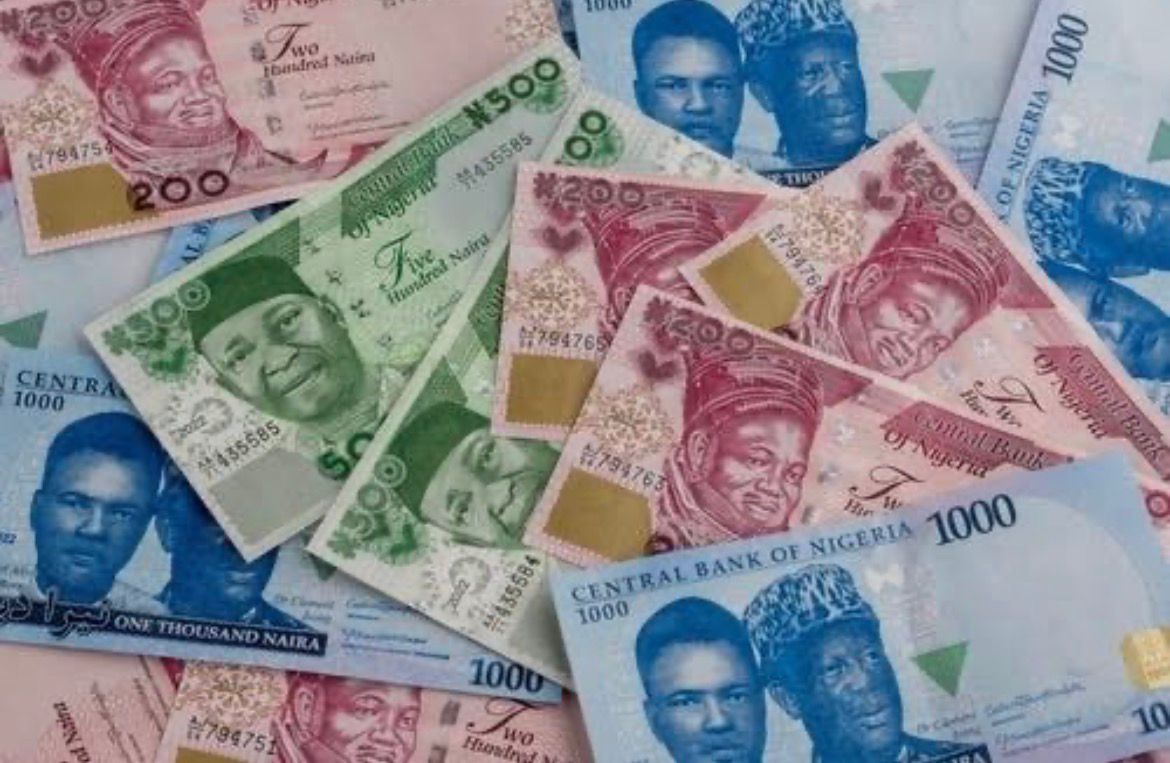
The naira rose to a five-month high of ₦1,338.59 per dollar at the official foreign exchange market on Thursday August 27 2026, supported by sustained dollar liquidity and stronger external buffers. As of Friday August 28 the naira was trading around ₦1,341.66 per dollar on the latest indicative market data, while parallel market quotations remained around ₦1,400 to ₦1,410 per dollar.
For a currency that was trading at ₦1,535 to the dollar at the end of 2024, the movement to ₦1,338 represents a meaningful recovery, and the story behind it is more interesting than a single exchange rate figure suggests.
Nigeria's external reserves climbed to an 18-year high of $53.29 billion as of August 26 2026, representing a 29.28 percent increase from $41.22 billion recorded in the corresponding period of 2025. That reserve position matters because it gives the Central Bank of Nigeria the firepower to defend the naira during periods of demand pressure, intervene in the foreign exchange market when liquidity tightens and signal to international investors that Nigeria's external position is strong enough to absorb shocks without a currency crisis.
Total foreign exchange inflows into the Nigerian Foreign Exchange Market increased significantly to $1.77 billion from $0.83 billion in the previous week, reflecting the improved dollar liquidity that has been the primary driver of the naira's recent strength, and Nigeria's headline inflation eased to 15.43 percent in July 2026, adding another supportive signal to a currency that is benefiting from multiple positive factors simultaneously.
The most striking development came from MDU Capital, an investment research firm whose report published August 27 projected something that would have seemed implausible not long ago. MDU Capital estimates the naira's fair value at ₦984.70 per dollar as of June 2026, already below the ₦1,000 level, and projects a base-case rate of ₦1,229 per dollar and an MDU scenario of ₦933 per dollar by June 2027, suggesting the naira could trade below ₦1,000 to the dollar within twelve months if the exchange rate converges toward its estimated fair-value path.
The report is explicit that this is a scenario-based view, not a guaranteed forecast or investment recommendation, and that the assumptions underlying the 12-month scenario may not hold, a caveat worth keeping front of mind given how many naira forecasts have been overtaken by events in both directions over the past several years.
What the movement means practically depends on where you sit in Nigeria's economy.
For importers, businesses with dollar-denominated obligations, students paying overseas tuition and Nigerians with international subscriptions, a stronger naira means the cost of everything priced in dollars becomes lower in naira terms, which is the most direct form of relief the exchange rate can provide to everyday spending.
For those who converted savings to USDT or other dollar-pegged assets during the naira's most difficult period, a strengthening naira changes the calculation about when to convert back, because USDT held at ₦1,535 per dollar is worth fewer naira at ₦1,338 per dollar, which is the necessary trade-off of holding dollar-pegged assets in a period when the naira is recovering.
Economists view the naira's recent performance as a positive signal for the broader economy, with a more stable currency helping businesses plan better, reducing imported cost pressures and strengthening investor confidence if the trend is sustained.
The key word is sustained. Nigeria's foreign exchange market has produced false dawns before, periods of naira stability that reversed sharply when oil revenues fell, portfolio capital exited or external shocks arrived, and the gap between the official rate at ₦1,341 and the parallel market rate at ₦1,410 remaining at approximately ₦68 per dollar signals that the informal market is not yet fully convinced that the official market's strength reflects durable fundamentals rather than temporary intervention.
The trend is positive. The reserves are at their strongest in 18 years. The naira is at a five-month high. Whether those conditions persist through the second half of 2026 is the question that both businesses and households are watching closely.
When the naira moves, your conversion timing matters. Monica gives you live rates every 60 seconds so you always know exactly what your crypto is worth in naira before you convert.
Convert at the right rate, every time. That is Monica.
Download Here:https://monica.cash/app