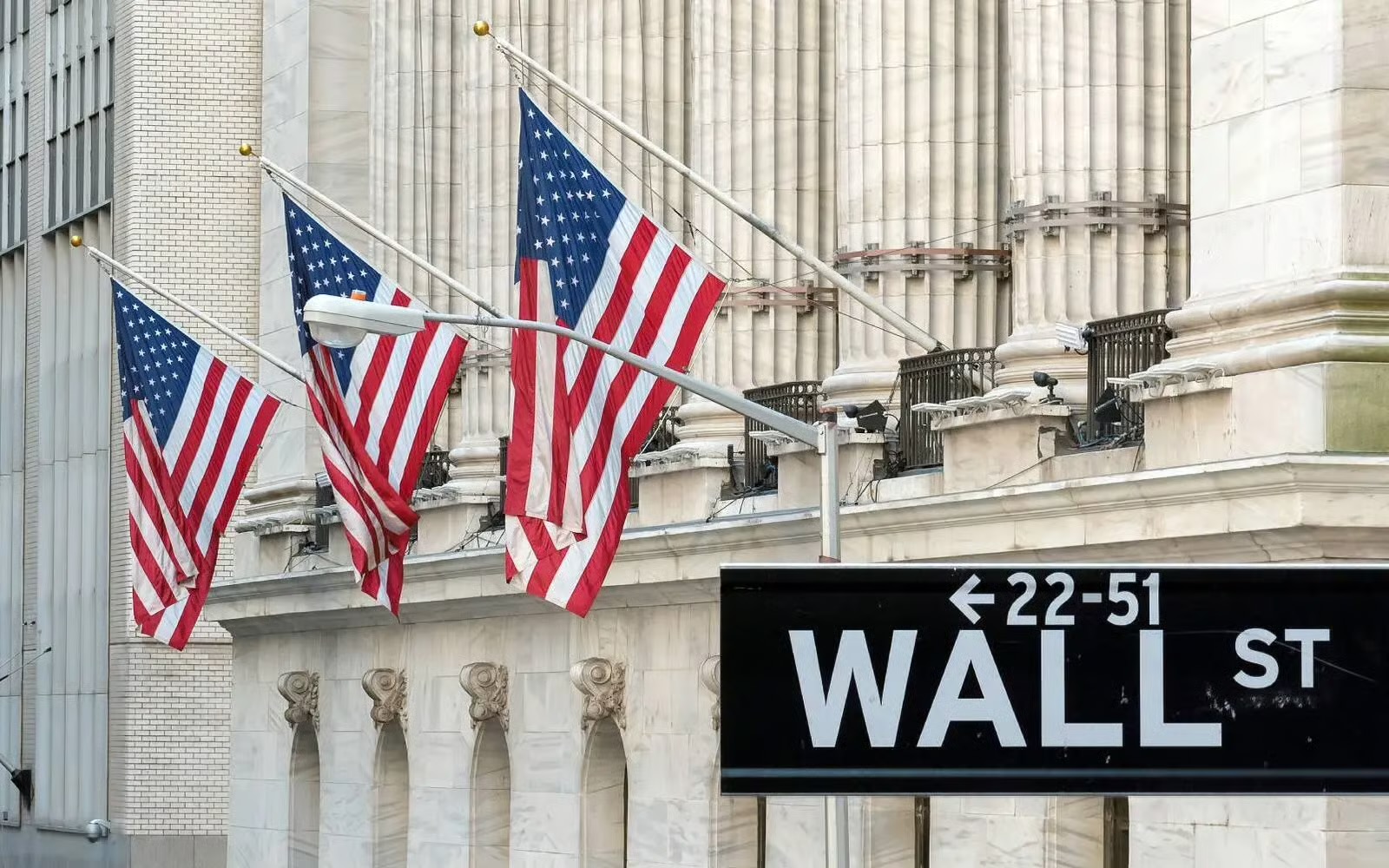
SpaceX Has a $7.8 Billion Problem
SpaceX just delivered explosive revenue growth, but investors are looking past the headline number as heavy AI spending, continued losses and a major share unlock put the company's post-IPO rally under pressure.
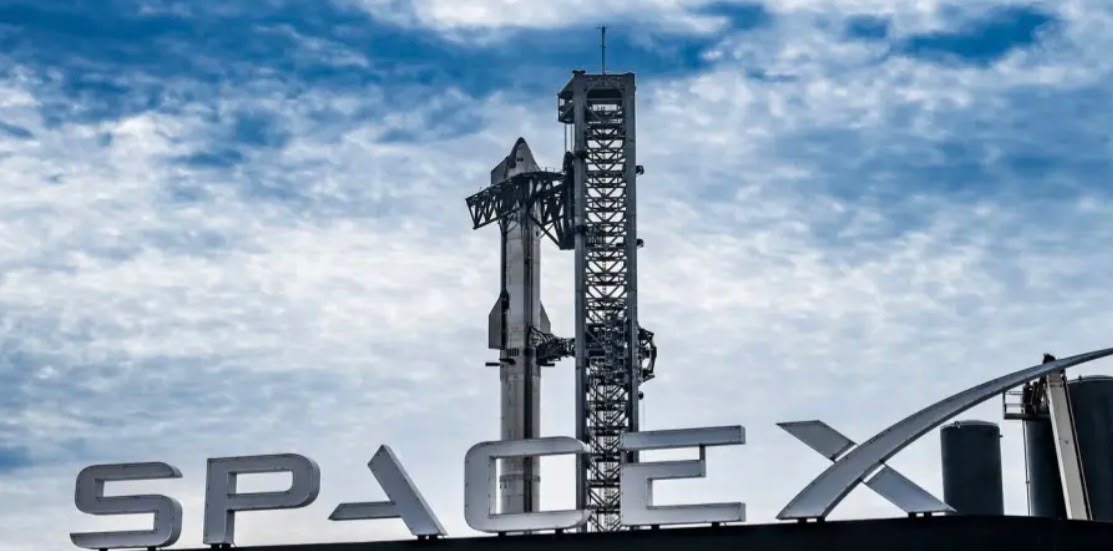
SpaceX had plenty to celebrate in its first earnings report. Investors apparently had other ideas.
The space company reported $7.8 billion in second-quarter revenue, a 92 percent increase from the same period last year and above Wall Street expectations. Yet instead of rewarding the growth, investors sent SpaceX shares sharply lower, with the stock falling more than 13 percent to around $108 in recent trading.
That reaction tells a bigger story than one disappointing trading session.
SpaceX is growing fast, But it is also spending incredibly fast.
The company reported a $541 million net loss for the quarter, although that was an improvement from the $1 billion loss recorded a year earlier. At the same time, capital expenditure surged to roughly $18.4 billion, reflecting the enormous cost of expanding its space, Starlink and artificial intelligence infrastructure.
Of that spending, approximately $15.8 billion was tied to AI-related investment, according to reports following the earnings release. And that is where the market's excitement appears to have collided with reality.
SpaceX is no longer being valued simply as a rocket company.
Its ambitions stretch across satellite connectivity, artificial intelligence, cloud computing and other technology infrastructure. The company says revenue growth across Space, Connectivity and AI reached 92 percent year-on-year, while Starlink's subscriber base doubled and the company secured major cloud-services agreements.
The opportunity is enormous, so is the bill.
The IPO honeymoon is getting complicated
SpaceX went public in June at $135 per share, giving investors their first opportunity to trade the company on the Nasdaq under the ticker SPCX.
The stock initially enjoyed strong attention after its debut, reaching a post-IPO high of about $225.64 in June. But it has since given up a significant portion of those gains.
At around $108, SpaceX is trading roughly 20 percent below its $135 IPO price and more than 50 percent below its post-IPO peak.
Now, investors have another event to watch. The lock-up.
A portion of shares held by existing investors, employees and other shareholders becomes eligible for transfer following the company's first earnings release. Reports estimate that as many as 911.5 million shares could become eligible under the first release provisions.
That does not mean 911.5 million shares will suddenly flood the market. It means those shares can become eligible for sale, depending on the applicable lock-up conditions and individual holders' decisions. That distinction matters.
SpaceX's IPO documents show that its lock-up structure is staggered. Elon Musk's shares are subject to a much longer restriction, while certain other shareholders have early-release provisions following quarterly results.
Still, the possibility of hundreds of millions of additional shares becoming available is enough to make investors nervous. More shares potentially entering the market can mean more supply.
And if shareholders decide to take profits while the stock is already under pressure, that supply could add another layer of selling pressure.
Growth versus spending
This is ultimately the question hanging over SpaceX. How much should investors pay for extraordinary growth when that growth requires extraordinary spending?
Revenue is rising rapidly.
Starlink is expanding.
AI is becoming a major part of the company's strategy.
SpaceX has also secured billions of dollars in contracted sales and continues to invest heavily in Starship and satellite infrastructure. But none of that comes cheaply.
The market appears to be demanding evidence that today's enormous investments can eventually produce sustainable profits.
For now, SpaceX is asking investors to believe in the future before the financial statements fully reflect it.
That is not necessarily a bad thing.
Some of the world's biggest technology companies spent years investing aggressively before their businesses matured, but public markets tend to be less patient than private markets.
Once a company is listed, investors can vote with their money every trading day. And SpaceX's latest earnings suggest that some of those votes are currently saying:
“Show us the returns.”
What investors are watching next
The immediate focus will be the share unlock, the company's ability to control its spending and whether revenue growth can continue at anything close to its current pace.
Investors will also be watching Starlink closely, alongside the company's emerging AI business. The bigger question is whether SpaceX can transform its enormous infrastructure spending into equally enormous future cash flows.
That is the bet.
For now, SpaceX has delivered the growth. Now the market wants to see the profit.
And with the stock already far below its post-IPO high, the next chapter could be less about how high SpaceX can fly and more about whether its finances can keep up with the ambition.
For SpaceX, the rockets are still going up. The stock, for now, is heading in the opposite direction.
Make your money moves count
Markets can move quickly, Your money shouldn't have to wait around. Whether you're converting crypto, paying bills, handling subscriptions or making everyday payments, Monica puts more financial moves within reach from one app.
Got money to move? Move it with Monica. Download the App Here https://monica.cash/app and get started.