Nigerian Stocks Lose ₦1.9 Trillion as Investors Take Profit
A broad sell-off interrupted the Nigerian stock market's recent run, but the latest decline tells a more complicated story than a simple market crash
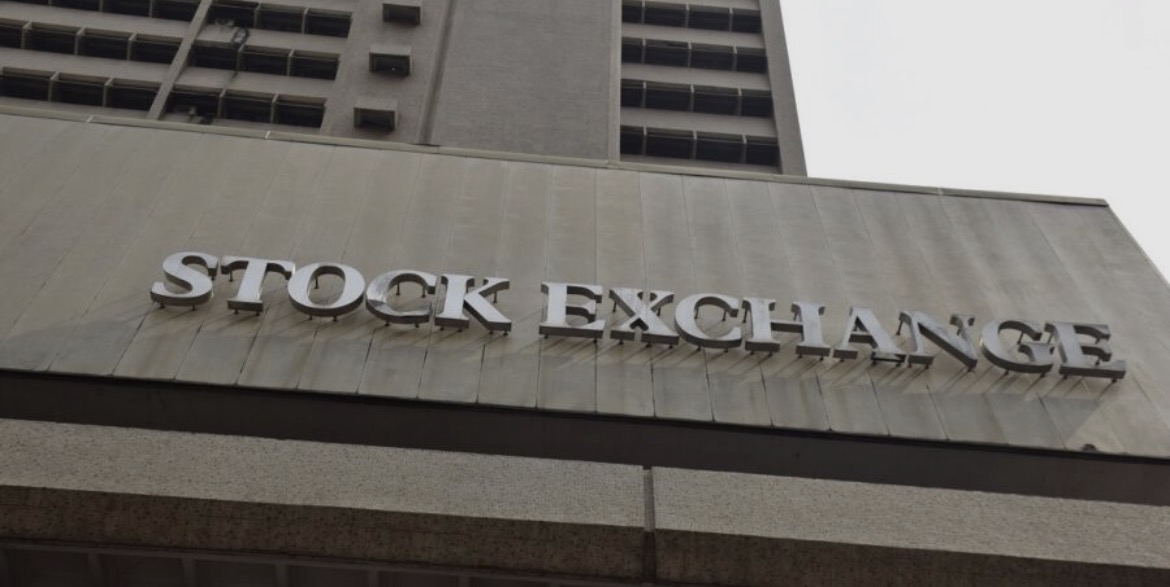
After weeks of strong movements across the Nigerian equities market, investors suddenly hit the sell button.
On September 8, the Nigerian Exchange All-Share Index fell 1.17 percent to 244,802.11 points, while market capitalisation dropped by about ₦1.9 trillion to ₦158.72 trillion. Only four stocks recorded gains during the session as selling spread across several major counters.
It was a sharp reversal, but calling it a market collapse would miss the bigger picture.
A significant part of the pressure came from profit-taking.
When investors buy shares and prices rise significantly, some eventually decide to sell and lock in their gains. If enough investors do this at the same time, share prices fall, even when there has not been a sudden deterioration in the companies themselves.
That appears to be part of what happened.
The market had enjoyed a strong run. At the end of August, the NGX All-Share Index had gained 1.20 percent in a single session, adding about ₦1.9 trillion to market capitalisation. The market ended August at ₦157.74 trillion, with banking, consumer goods, oil and gas and insurance stocks among the sectors posting gains during the month.
So investors were not entering September from a weak position.
They were coming from a rally.
That matters because a correction after a strong run is not necessarily a sign that investors have suddenly lost faith in the entire market. It can simply mean some investors believe prices have risen enough for them to secure their gains.
But the selling did not stop there
The pressure continued into the following session.
On September 9, the market lost another ₦1.67 trillion, extending the decline to a third consecutive session. The All-Share Index fell another 1.05 percent to 242,223.10 points.
The Government and Business Journal
That makes the market movement worth watching.
For investors, the important question is no longer simply “How much did the market lose?”
It is “Why are investors selling, and what happens next?”
Nigeria's equities market entered September with strong momentum and has remained one of Africa's strongest-performing markets this year. Nigeria had also reclaimed the position of Africa's best-performing stock market in dollar terms, supported by corporate earnings, banking-sector performance, a more stable naira and expectations around the country's return to the FTSE Frontier Market index.
That means the recent losses need to be viewed within the context of a market that had already experienced substantial gains.
For everyday investors, the lesson is simple.
A red trading screen does not automatically mean every company has become a bad investment. Equally, a rising market does not mean every stock is suddenly a good buy.
Markets move for different reasons, and understanding those reasons is often more useful than reacting to one day's headline.
For now, investors will be watching whether the recent selling represents a temporary correction after a strong rally or the beginning of a deeper change in market sentiment.
Either way, one thing is clear:
The Nigerian stock market is reminding investors that markets can change direction quickly.
And in investing, knowing why can matter just as much as knowing by how much.