Google Fined €403 Million Over How It Handled Users’ Location Data
A six-year investigation into Google’s handling of location data has ended with a €403 million fine. The case raises a bigger question for anyone carrying a smartphone: how much can your location reveal about you?
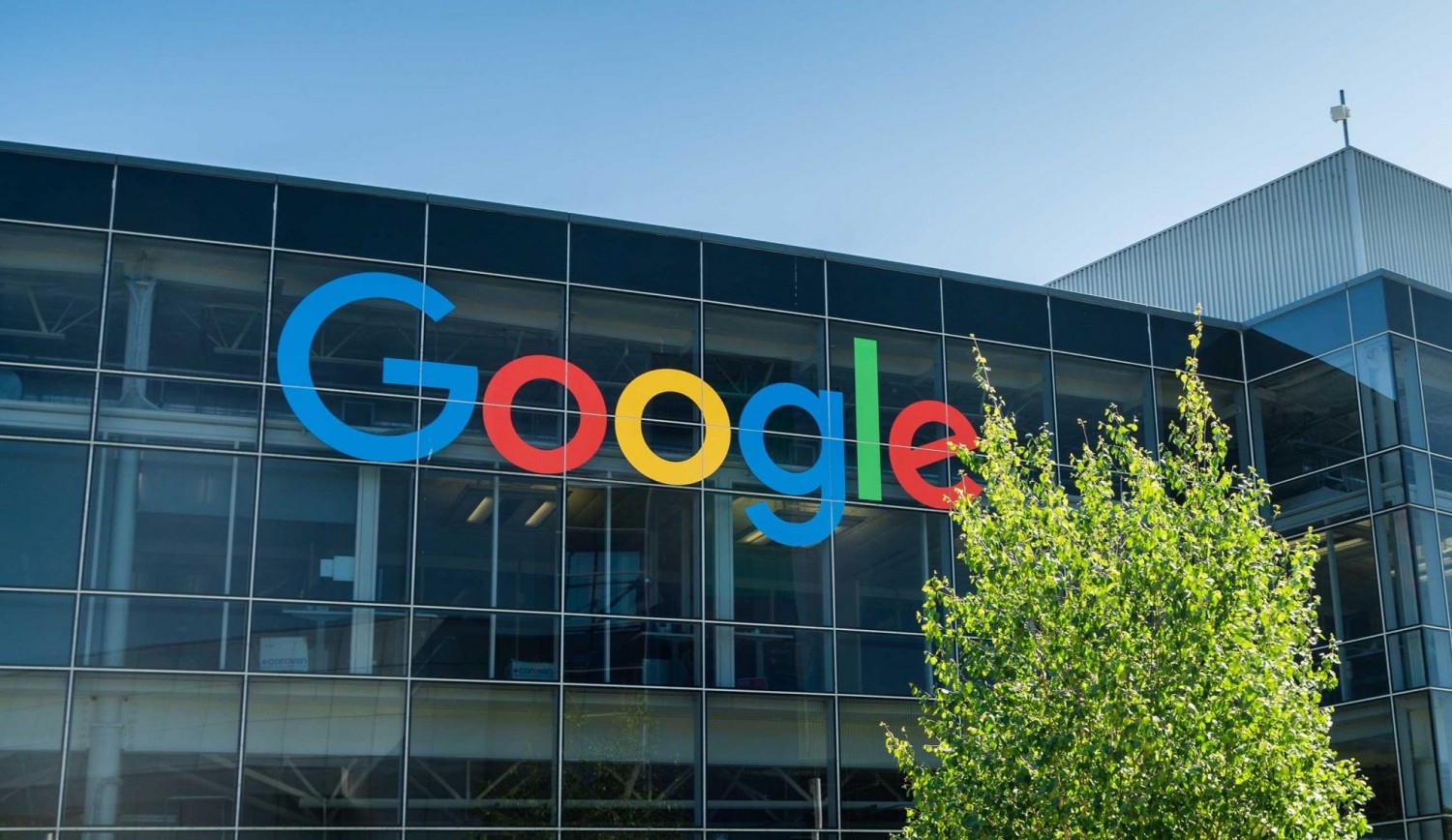
Your Location Can Say More Than You Think
Your phone knows where you are.
You probably already know that.
What you may not always think about is what someone could learn by looking at where you have been.
A location can reveal where you live, where you work, the places you visit regularly, the restaurants you frequent and even patterns in your daily life. Put several location points together and they can tell a much bigger story about a person.
That is at the centre of a major privacy case involving Google.
Ireland’s Data Protection Commission has fined Google €403 million ($463 million) after an investigation into how the company processed and retained users’ location data between May 2018 and February 2020.
What Exactly Did Google Do?
The investigation focused on three Google features: Web & App Activity, Location History and Location Accuracy.
Web & App Activity can process information connected to activity on Google services, including browsing history, search history and location data.
Location History records information about places a user has visited when the feature is enabled, while Location Accuracy helps Android devices determine their location more precisely.
The Irish regulator found that Google had breached GDPR requirements relating to the lawfulness and fairness of processing location data in Web & App Activity and Location History.
It also found failures involving transparency and accountability around Location Accuracy and said Google retained some location data for longer than necessary.
That distinction matters.
The regulator was not simply saying that Google had location information. The issue was how that information was processed, explained to users and retained.
Why Is Location Data So Sensitive?
Think about your phone’s location history as a diary you did not have to write.
A single location may tell very little.
But hundreds of locations collected over time can reveal patterns.
The Data Protection Commission itself pointed out that location information can be used to infer where an individual is and can reveal information that is inherently private. It also said users could have been unaware that their location information was being used in ways that could influence advertising or help infer their interests.
That is why privacy regulators take this kind of data seriously.
The question is not only “Does a company know where I am?”
It is also:
“What can the company learn about me from knowing where I have been?”
Google Says Its Practices Have Changed
Google did not dispute that the investigation concerned its historical practices.
In a statement, the company said the case centred on policies that had since been updated. Google said that from 2019 onward it had significantly changed its practices and introduced tools intended to make managing location data easier, including stronger controls, automatic deletion options and less precise location storage.
The DPC’s decision nevertheless orders Google to bring its processing into compliance with GDPR requirements within six months.
This Is Not Google’s First Privacy Fight
The €403 million penalty is the fourth-largest fine issued by Ireland’s Data Protection Commission.
The regulator has previously imposed much larger penalties on other technology companies, including a €1.2 billion fine against Meta in 2023. Its published records show that more than €4 billion in fines have been levied through DPC inquiries since GDPR enforcement began, although fines can face appeals and court confirmation before they are collected.
And Google’s privacy story is not finished.
The DPC says it still has three other ongoing privacy investigations involving Google.
So, What Does This Mean for the Average Phone User?
It is a useful reminder that privacy is not only about passwords.
It is also about the ordinary information we generate without thinking about it.
Where you go.
What you search.
Which apps you use.
How long information about you remains stored.
And whether you actually understand what you have agreed to when you switch on a feature.
Most people do not read every privacy notice before tapping “Accept.” That is precisely why transparency and user controls matter.
The Google case is about historical practices from several years ago, but the underlying question remains very current:
How much of your everyday life should a technology company be able to know, and how much control should you have over that information?
For anyone carrying a smartphone in Lagos, London or anywhere else, that is a question worth paying attention to.
The Bigger Story Is Not Just the Fine
€403 million is a huge number.
But the more interesting part of this story may be what sits behind it.
Technology has made location-based services incredibly useful. Maps can help us find places. Ride-hailing apps need location information. Weather apps can tell us what is happening around us. Businesses can use location technology to provide more relevant services.
The same data can also become deeply personal when collected at scale.
That is the balance regulators are increasingly trying to address.
Convenience may tell us where to go. Privacy determines how much of our journey we are willing to give away.
Keep Your Digital Life Moving, Safely
At Monica, moving digital assets also means paying attention to the details that protect your money. Whether you are converting crypto to naira or managing digital transactions, always check the destination, the network and the details of the transaction before you confirm.
Your data deserves attention. Your money does too.
Explore Monica Here: https://monica.cash/app and keep your digital transactions simple.