Cameroon Make History as WAFCON Takes an Unexpected Turn
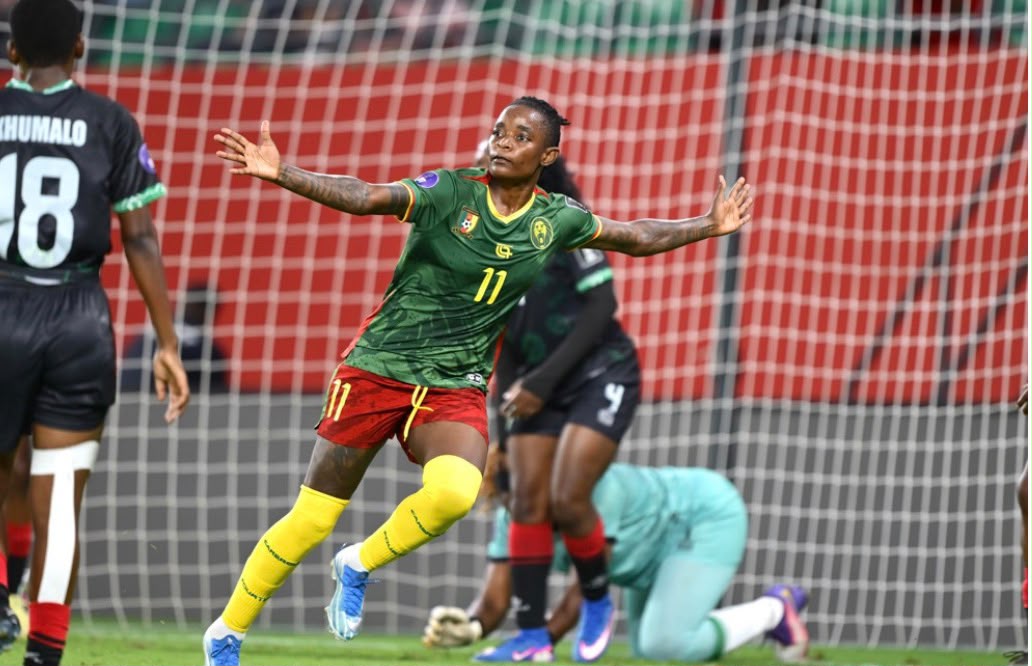
Cameroon have won their first Women's Africa Cup of Nations title after beating debutants Malawi 3–0 in a final that capped one of the tournament's most surprising editions
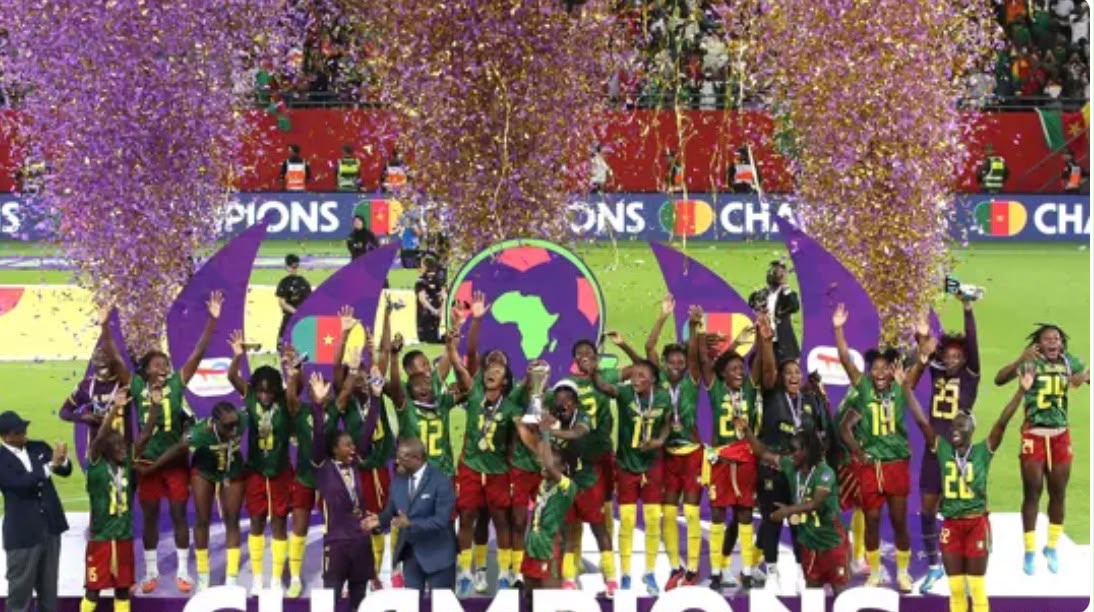
African women's football has a new champion.
Cameroon have lifted the Women's Africa Cup of Nations trophy for the first time after sweeping aside Malawi 3–0 in Sunday's final in Rabat, bringing an extraordinary 2026 tournament to a memorable close.
The result was historic on both sides.
For Cameroon, it ended years of waiting for a first continental title. For Malawi, reaching the final in their first-ever WAFCON appearance had already rewritten their football history before the final whistle was even blown.
And then there was Nigeria.
The Super Falcons, Africa's most successful women's national team and the defending champions, were nowhere near the final this time.
That alone tells you how unpredictable this tournament became.
Nigeria arrived in Morocco carrying the weight of a record that has defined African women's football for years. Before this edition, the Falcons had won the competition ten times and had never been eliminated at the quarter-final stage. Their latest title came in 2025, when they famously came from two goals down to defeat Morocco 3–2 in the final.
But 2026 had a very different script.
Nigeria opened their campaign with a 3–2 defeat to WAFCON debutants Malawi, before recovering with a 1–0 victory over Zambia and a 6–2 win against Egypt.
Then came Cameroon.
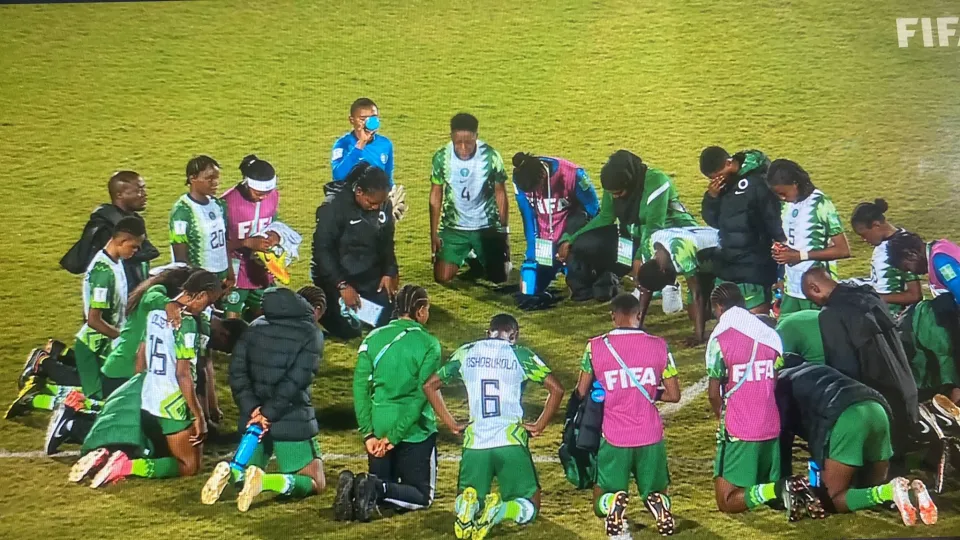
A 1–0 quarter-final defeat ended Nigeria's title defence and, with it, their automatic qualification for the 2027 FIFA Women's World Cup.
The Falcons were given another route to the World Cup through a play-off against South Africa, but that opportunity disappeared with a 2–1 defeat in Casablanca.
For the first time, Nigeria will miss a Women's World Cup.
That makes the 2026 WAFCON more than another tournament on the calendar. It has become a turning point for African women's football.
While one giant stumbled, others rose.
Malawi's run was perhaps the tournament's most unexpected story. The debutants went from entering their first WAFCON to reaching the final, powered in part by the Chawinga sisters, Temwa and Tabitha, whose performances helped turn Malawi into one of the competition's most talked-about teams.
Cameroon, meanwhile, had their own fairytale.
The Indomitable Lionesses entered the final knowing they had a chance to win the country's first continental women's title. They took that opportunity decisively, scoring three times to leave Malawi chasing a comeback that never arrived.
It was not the final many people expected when the tournament began.
And perhaps that is exactly what made it special.
For years, the WAFCON conversation has revolved around the established powers — Nigeria, Cameroon, South Africa and other familiar contenders. Morocco had also emerged as a serious force after reaching consecutive finals.
This time, however, the tournament opened the door for new possibilities.
Malawi walked through it, Cameroon finally took the trophy.
Nigeria were forced to confront an uncomfortable reality: dominance is not permanent.
That may be one of the most important stories coming out of Morocco.
African women's football is changing. The gap between the traditional giants and the teams chasing them is becoming harder to ignore, and the 2026 tournament offered perhaps its clearest evidence yet.
For Cameroon, Sunday was about making history.
For Malawi, it was about discovering how far they could go.
For Nigeria, it was a warning that the next generation of African challengers will not be waiting forever.
The trophy has changed hands.
And African women's football may have changed with it.
The WAFCON may be over, but the stories it created are only beginning. Follow the biggest sports moments with Monica, and when it is time to make your next move beyond the pitch, Monica keeps everyday payments and crypto-to-naira conversions within easy reach.
Download Monica https://monica.cash/app and experience a smarter way to move.