Africa Has the Minerals the World Needs Now It Wants More of the Value
Africa is taking its critical minerals conversation to New York, with Nigeria playing a leading role in a push to move beyond exporting raw resources and capture more value through processing, manufacturing and industrial development
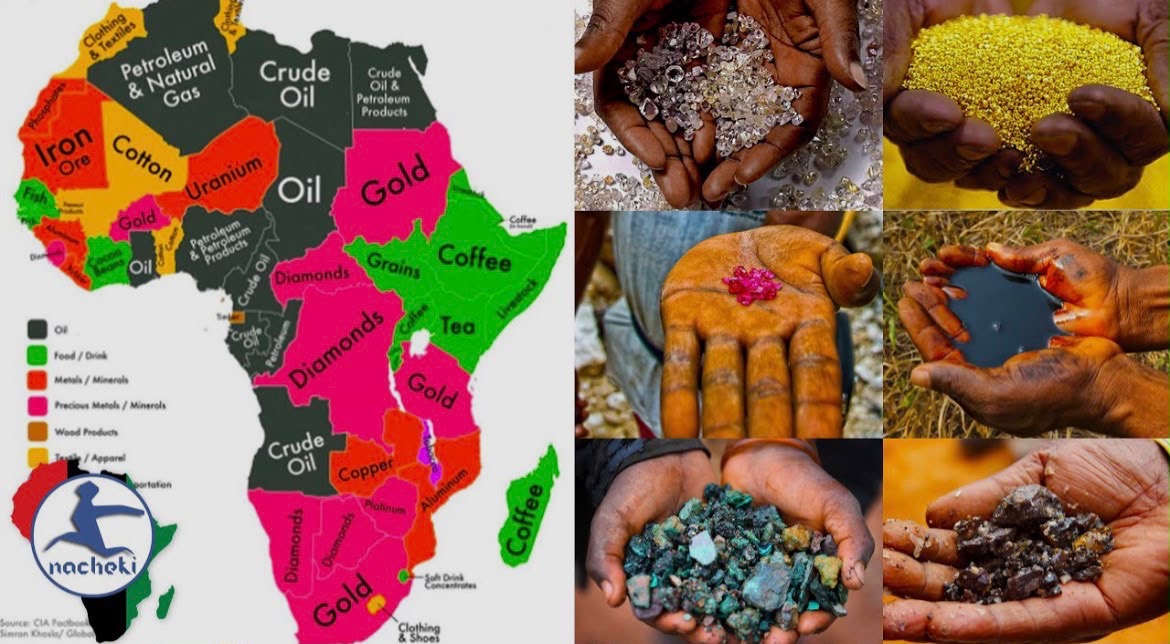
Africa has spent decades digging wealth out of the ground only to watch much of the value leave with it.
That could be changing.
The continent is preparing to take its critical minerals agenda to New York next month, where African leaders will push for greater control over the resources increasingly considered essential to the global technology and energy economy.
President Bola Tinubu is expected to chair the third High-Level Roundtable on Critical Minerals Development in Africa in Manhattan on September 21, on the sidelines of the 81st United Nations General Assembly. The meeting, organised by the Africa Minerals Strategy Group, will focus on how African countries can capture more value from their mineral resources rather than exporting them largely in raw form.
The message is straightforward: having the minerals is no longer enough.
Africa wants the factories, processing plants, jobs, technology and industries that come with them.
Critical minerals such as lithium, cobalt, graphite, manganese, nickel and other strategic resources have become increasingly important as the world expands electric vehicles, renewable energy systems, batteries, advanced electronics and other technologies.
That puts Africa in an unusually powerful position.
The continent has significant mineral deposits, but possessing the resources and benefiting economically from them are two very different things. When minerals leave Africa as raw materials and return as finished products, much of the economic value is created elsewhere.
That is the gap African leaders now want to close.
Nigeria has been particularly vocal about the shift. In June, Tinubu called on African countries to end the era of exporting raw minerals while importing finished products, arguing that the continent must process its resources locally, develop industrial capacity and create jobs around its mineral wealth.
Nigeria is also trying to position itself as more than a mineral exporter.
The Federal Government says it has introduced measures aimed at encouraging mineral processing and attracting investment into the sector. It has also highlighted investments in lithium processing, including projects in Nasarawa, Niger State and the Federal Capital Territory.
The bigger challenge, however, is turning individual projects into an integrated industrial system.
Mining requires roads, rail, electricity, water, skilled workers, financing, technology and reliable markets. Processing requires even more infrastructure and technical capacity. Without those pieces working together, Africa risks remaining a supplier of valuable raw materials while other economies continue to capture the larger share of the value chain.
That is why the New York summit matters.
The conversation is moving beyond “What minerals does Africa have?” to a more consequential question:
“What can Africa build with them?”
For Nigeria, the answer
could stretch beyond mining revenue.
A stronger minerals industry could support manufacturing, create specialised jobs, attract technology and investment, strengthen exports and reduce dependence on oil as a major source of foreign exchange.
But that opportunity comes with a warning.
The global race for critical minerals is already intensifying. Countries that control processing technology, manufacturing capacity and supply chains will have more influence than countries that simply own deposits beneath their soil.
Africa therefore has a narrow opportunity to negotiate from strength.
The minerals are already here.
The question is whether the value will remain here too.
As Nigeria prepares to take the conversation to New York, the continent is asking the world to look at Africa differently not simply as a place to extract resources, but as a potential centre for the industries those resources can power.
For millions of Africans, that distinction could determine whether the next mineral boom creates another cycle of extraction or becomes a foundation for jobs, businesses and long-term prosperity.
The world needs what Africa has. The bigger question now is whether Africa will finally build more of what the world wants to buy.
From the markets moving beneath the headlines to the financial decisions shaping everyday life, Monica keeps you connected to the money stories that matter. And when you're ready to move your crypto into naira, Monica is just a tap away.
Download Monica https://monica.cash/app and make your next financial move count.